422 Meters of Frozen Gold: The Expired Ektachrome Heist Part II
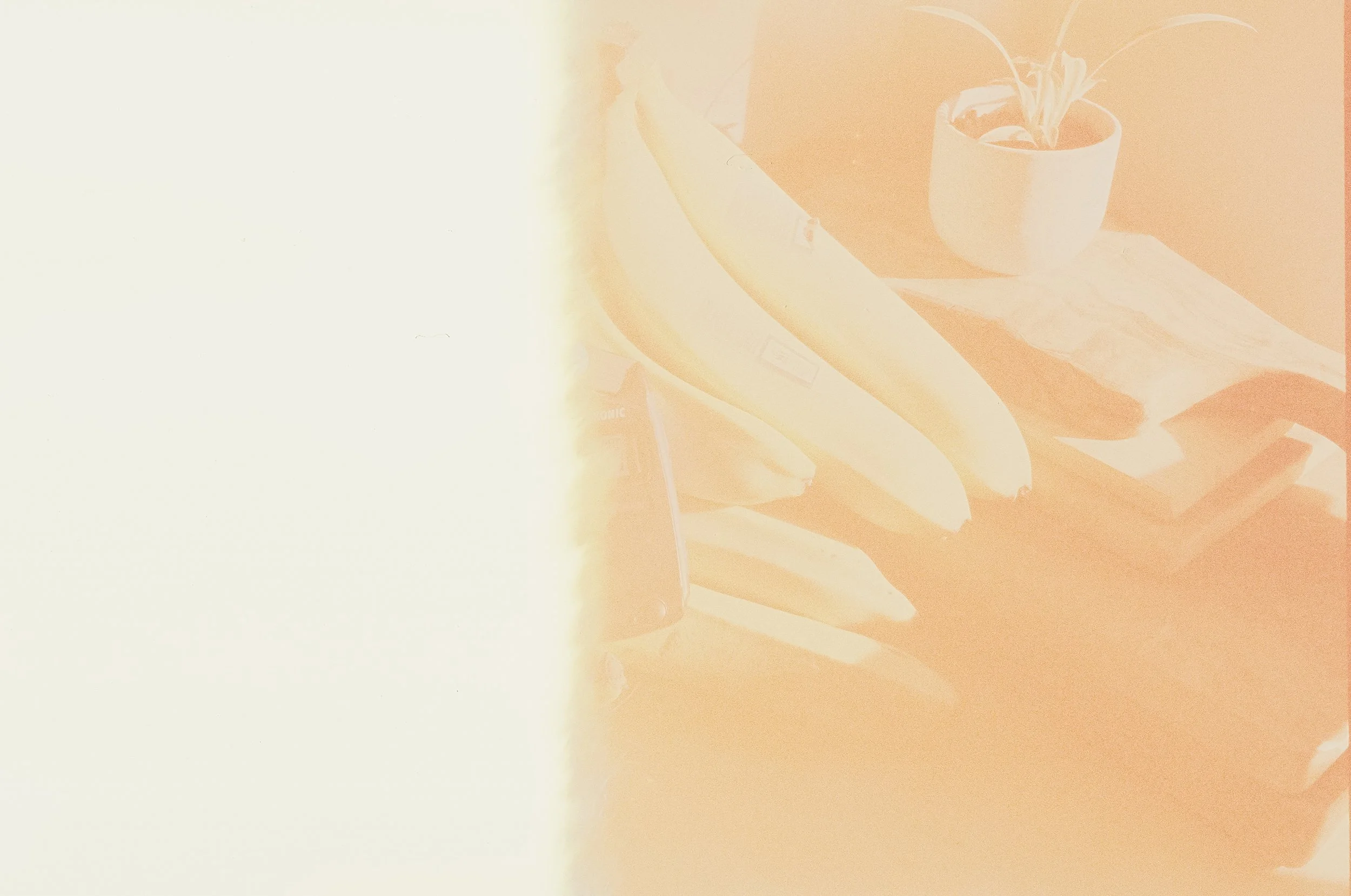
Burnt Bananas - I love the first frame on a roll
The Moment of Truth
It’s the moment every film photographer both loves and fears: receiving the "Your scans are ready" email. After the long journey of sourcing 422 meters of expired Ektachrome, respooling it into DIY canisters, and carefully metering my test rolls, the results from Urbanfilmlab finally landed in my inbox. Was the "frozen for 20 years" claim true? Or did I just spend weeks of work on a heap of yellow-tinted plastic? Let's dive into the frames.
New here? Here is part I of the story.
The Setup
Before we look at the frames, a quick disclaimer: these aren't meant to be "fine art" gallery pieces. These are just test shots, quickly snapped but with exact metering, to obtain a baseline and understand the limits of the emulsion. I left my Canon P (full review here) Rangfinder at home and took my trusty Nikon F2 and paired it with the 35mm f/2 Nikkor (Non-AI). I love this combo. So, bear with me—these shots were all about the data, not the composition!
First Impressions
As I suspected in Part I, this batch of E400 looks and behaves remarkably like the legendary FPP Retrochrome. The moment I opened the first files, that familiar aesthetic hit me. The colors aren't "clean" like a fresh roll of E100. Well, actually, it’s not even close. There’s a wonderful, gritty, yellowish warmth. The highlights have a slight glow, and the grain is—as expected for a 400-speed slide film—prominent but organic. It doesn't look like "broken" film; it looks like a memory. After talking to Tobi from Urbanfilmlab, we are certain that this is 100% the same emulsion. Not only that, but it seems to have been stored in the exact same manner.
Finding the Sweet Spot: ISO 400, 200, or 100?
I shot my test rolls at various speeds to see how the emulsion held up over two decades.
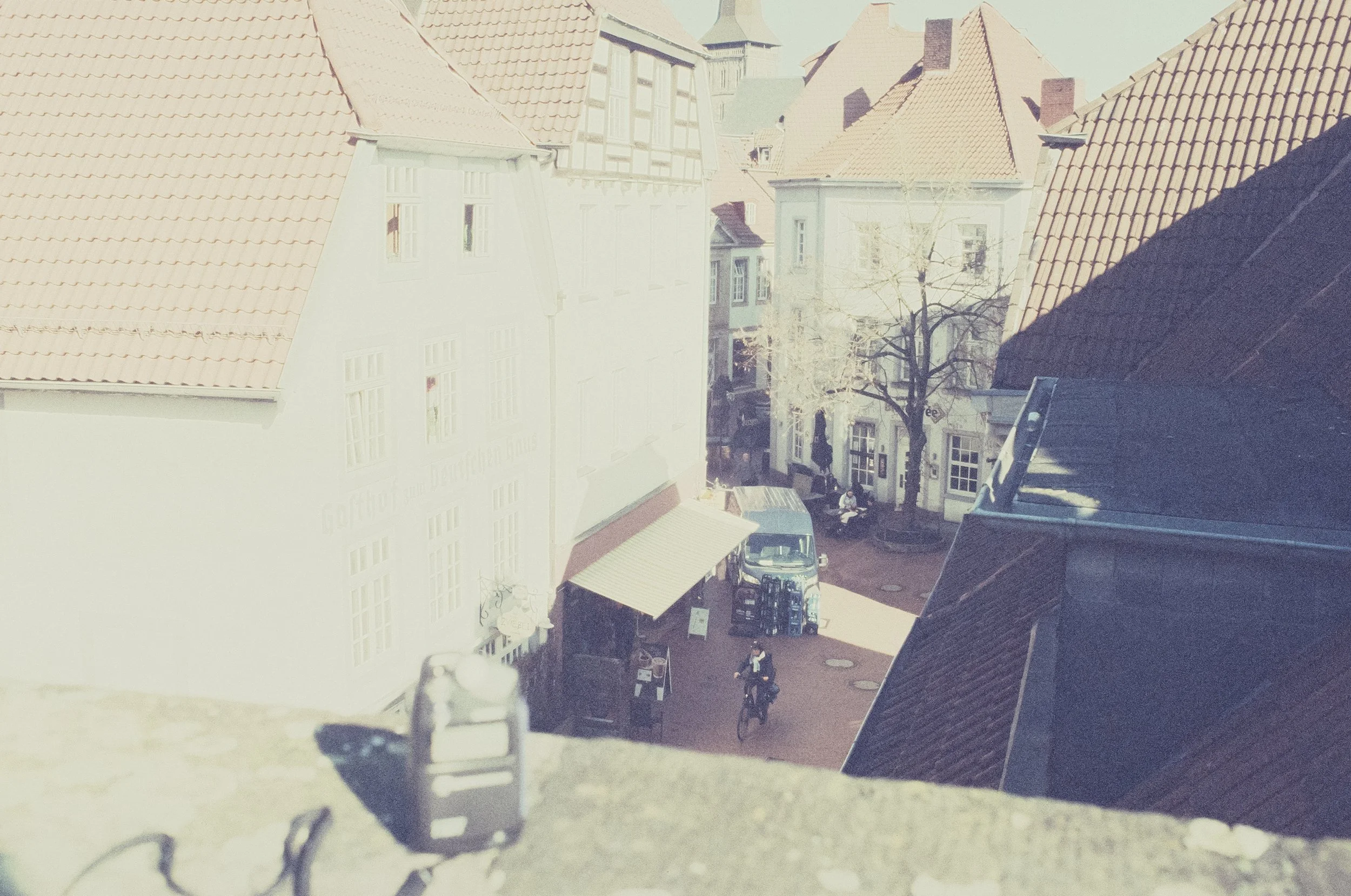
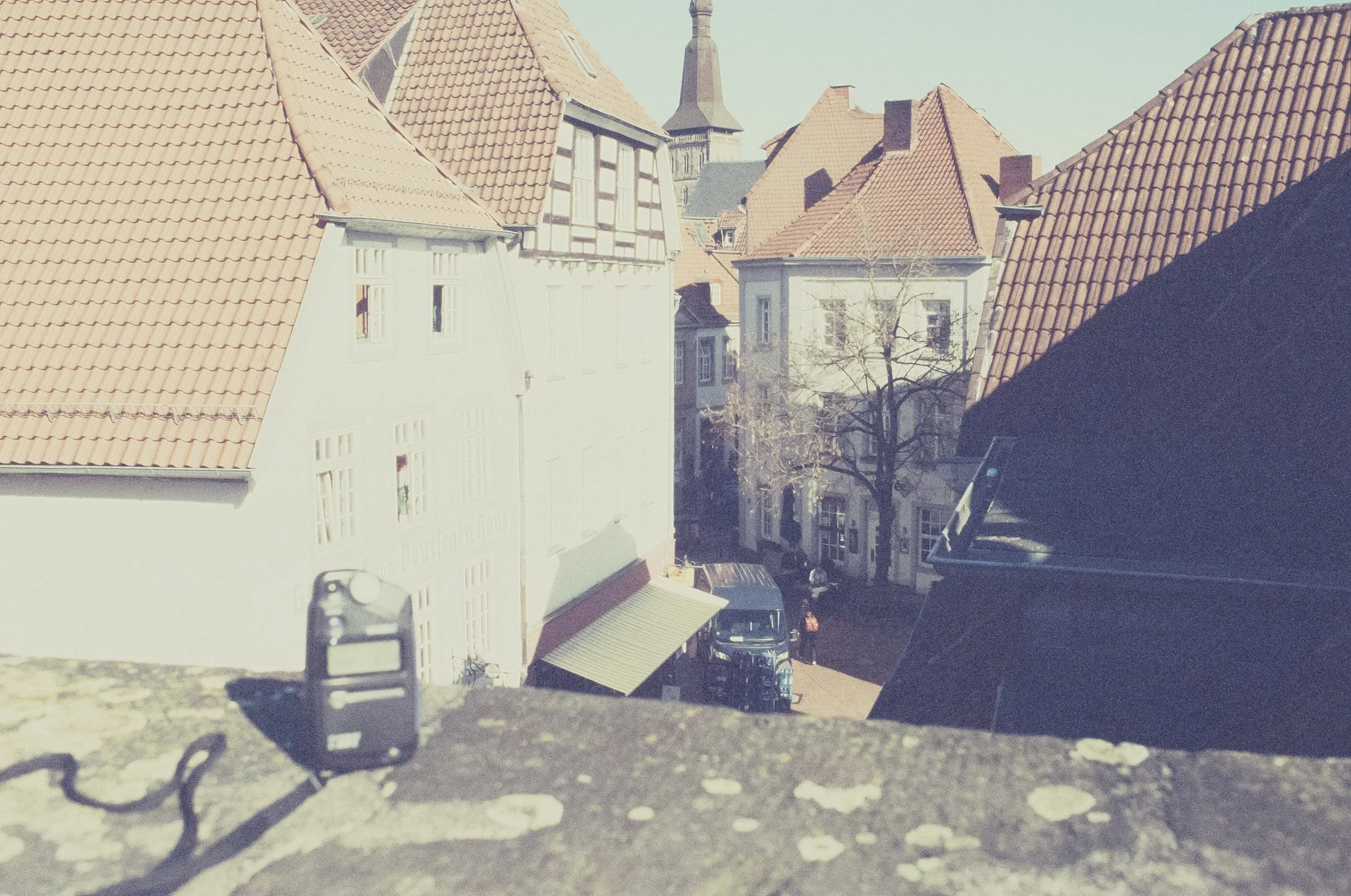
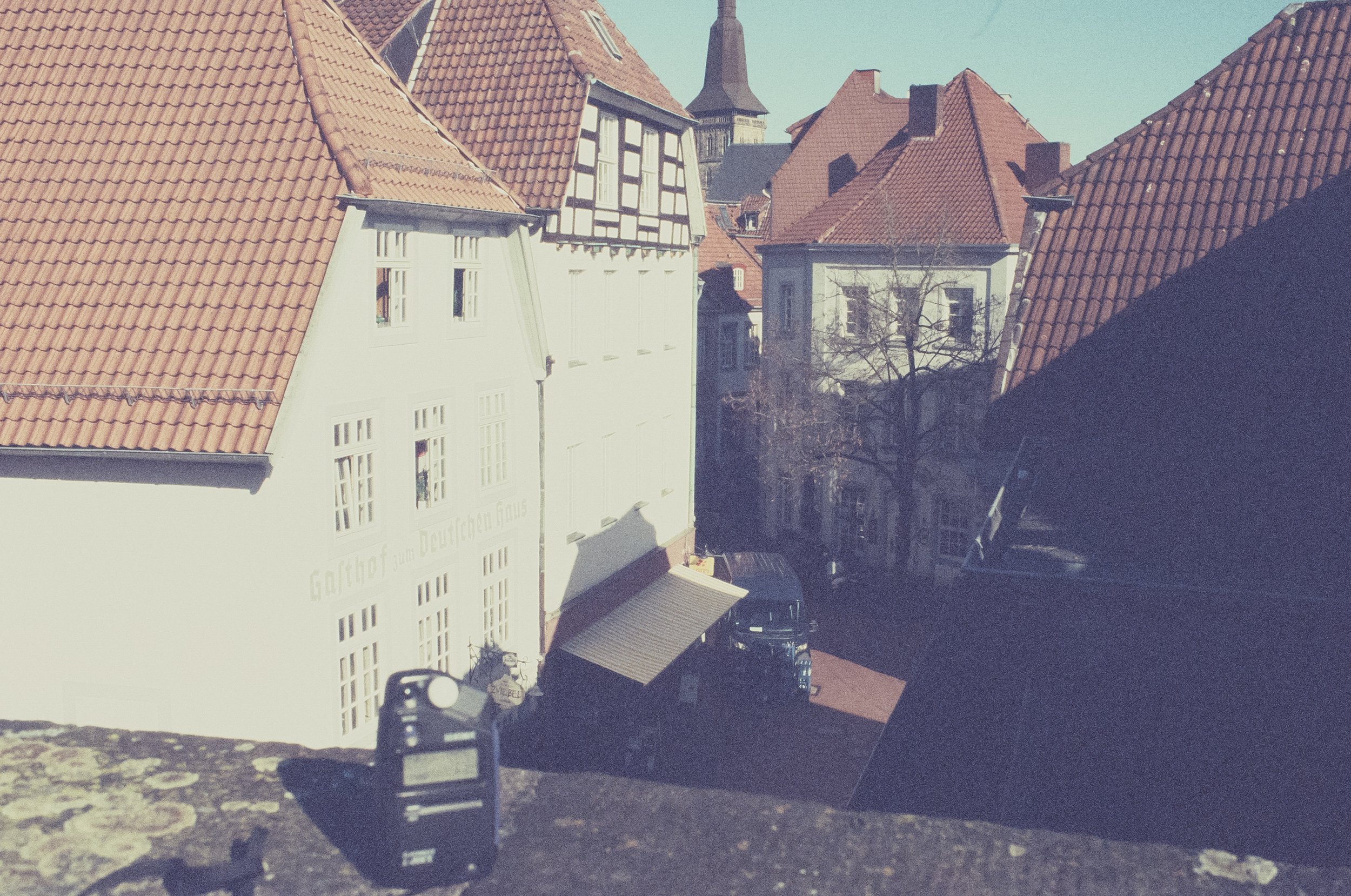
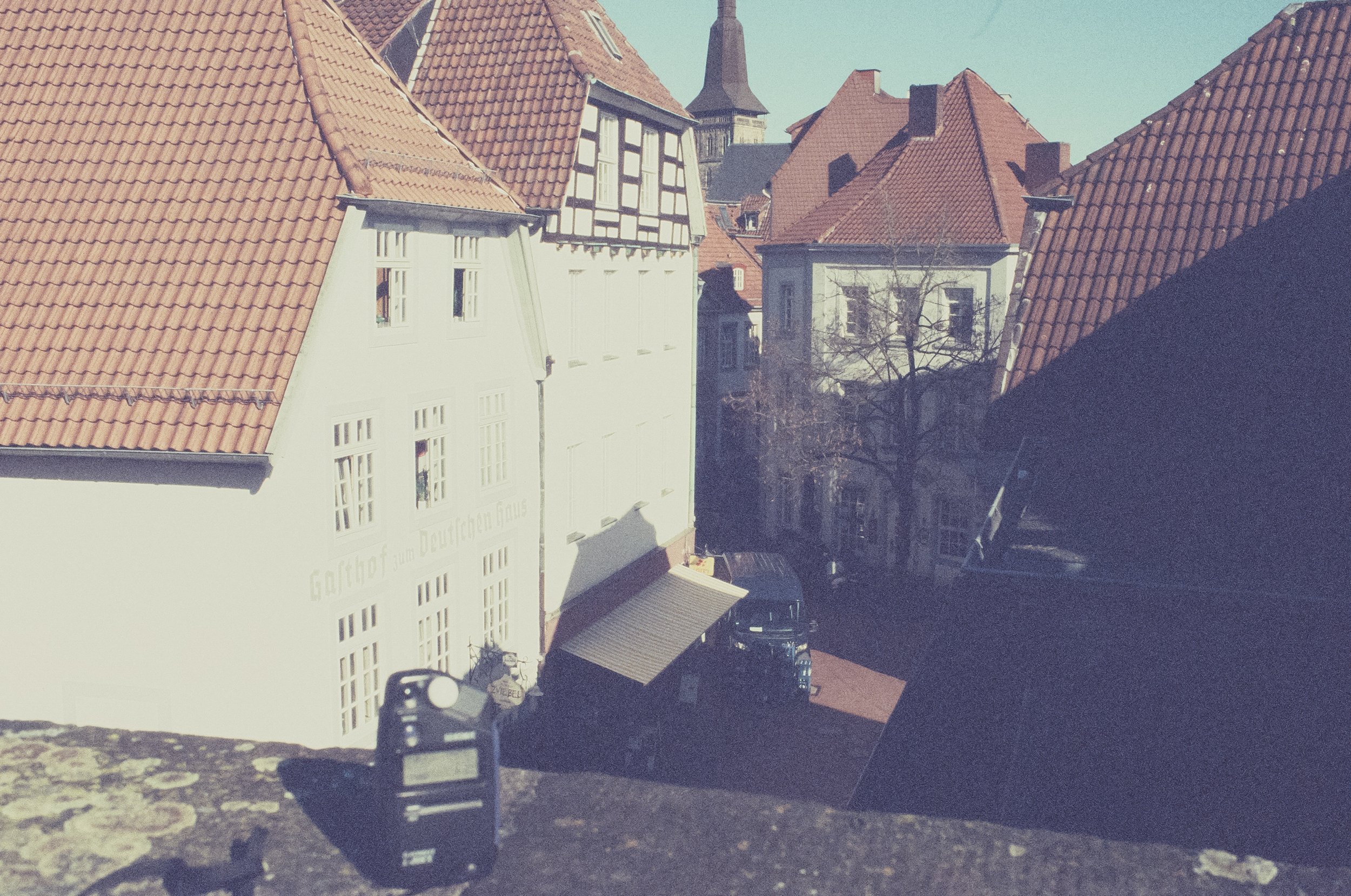
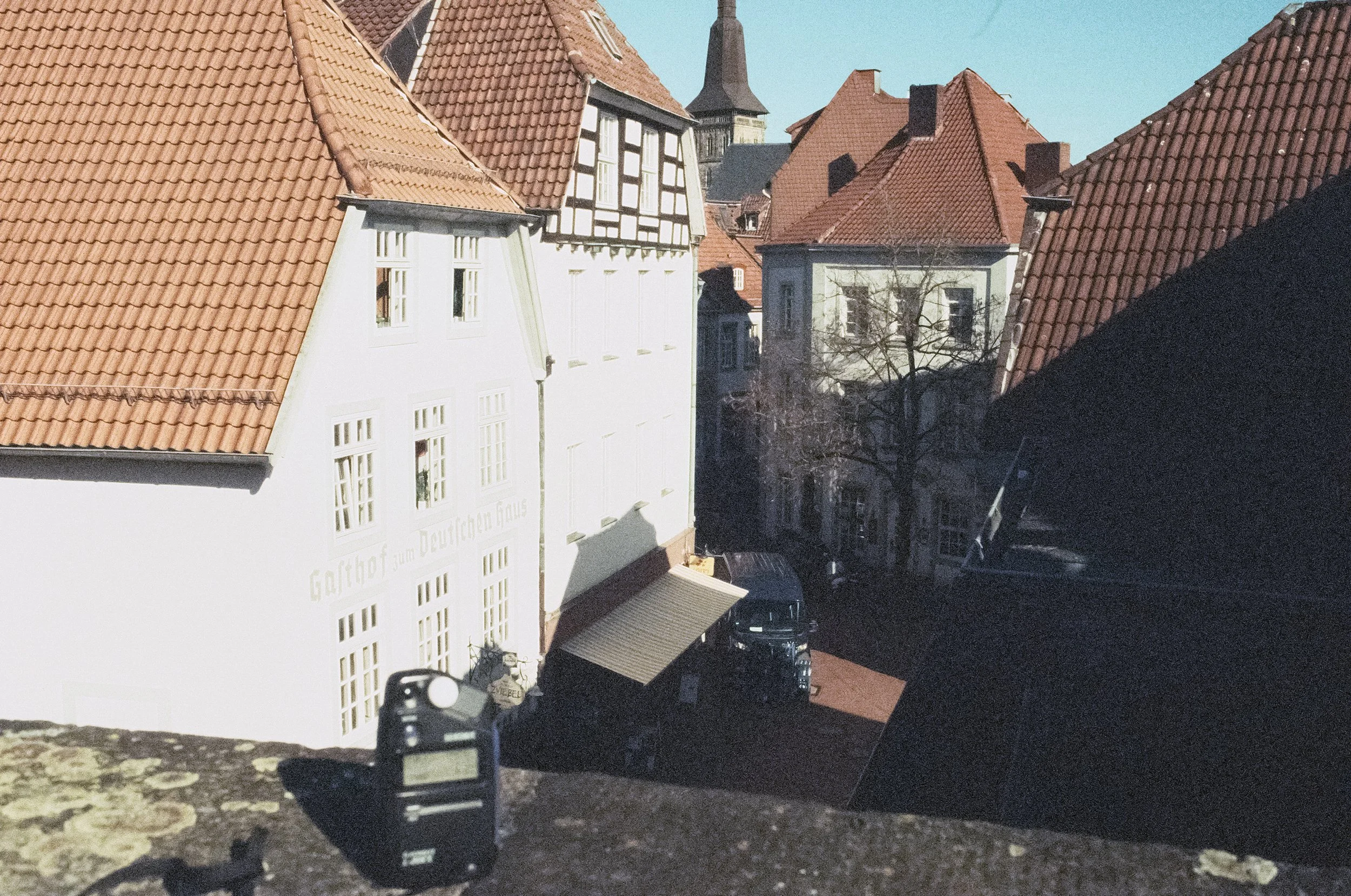
At ISO 400: This is where the film feels the most "correct." The highlights on the sun-drenched buildings are crisp and hold all the detail. However, shadow detail is minimal—the darker sections of the street and the roofs turn into a deep, moody abyss.
At ISO 200: You gain a bit more information in the shadows, but you pay for it immediately in the highlights. The bright white walls are already on the verge of "clipping" (burning out).
At ISO 100: This is where the 20 years of age really show. The highlights are completely blown out, losing all detail. Still, it's impressive that the film holds itself together so well after all this time!
The Color Cast Even though the film was frozen, it’s still 20-year-old E-6 chemistry. Naturally, the frames came back with that characteristic Retrochrome shift we all know and love (if not, what the hell are you doing here?) from FPP’s Retrochrome 400.
If you’ve read my previous post on Ektachrome Blue Cast Correction, you know I’m not a fan of "perfect" digital-looking scans. I want the projected Ektachrome look. The same goes for Retrochrome. The scans have a specific look, but the best part is that you can easily "correct" it without losing that vintage feel.
A deep dive on how to edit Ektachrome can be found here.
An Advice on metering
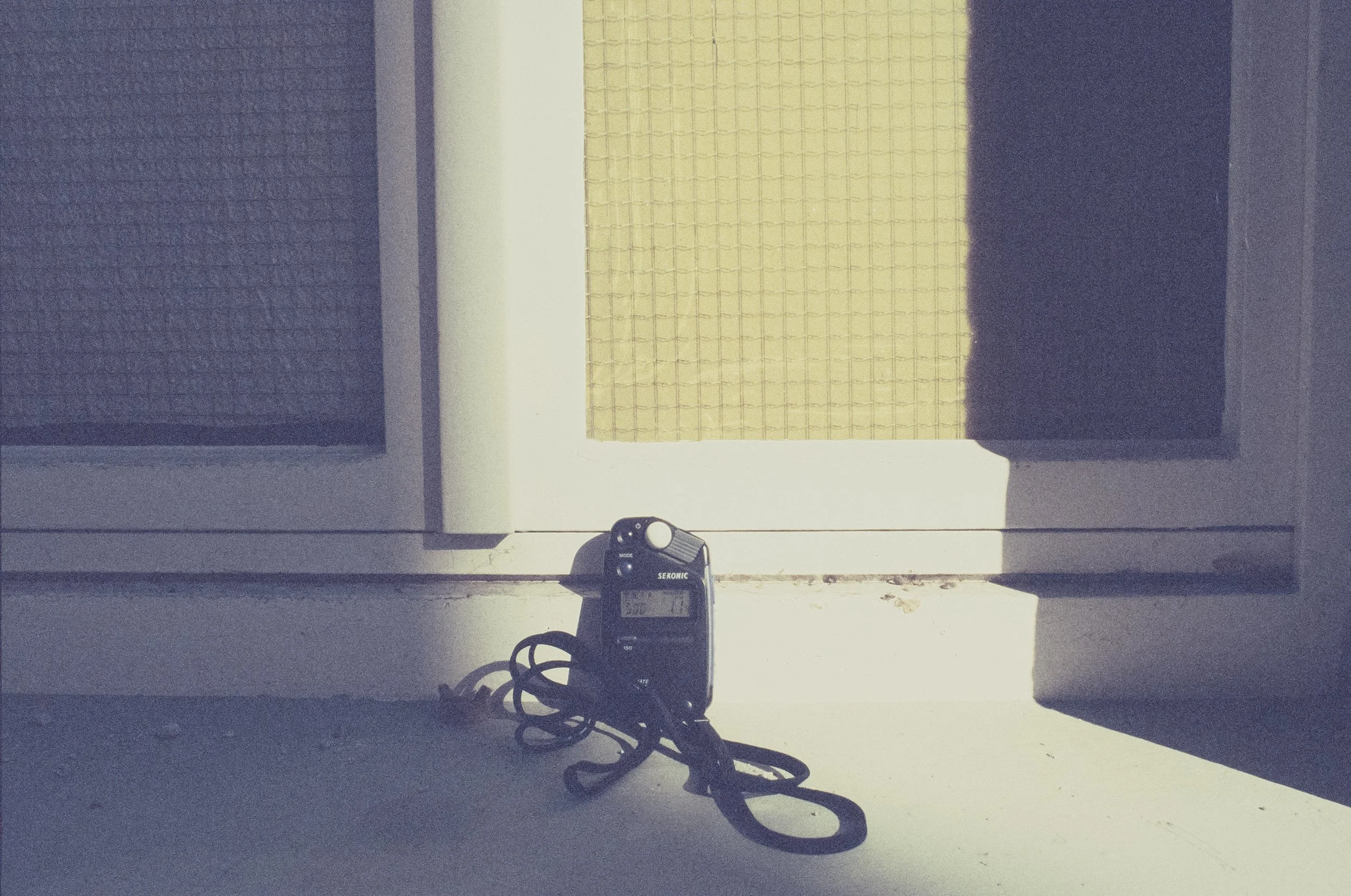
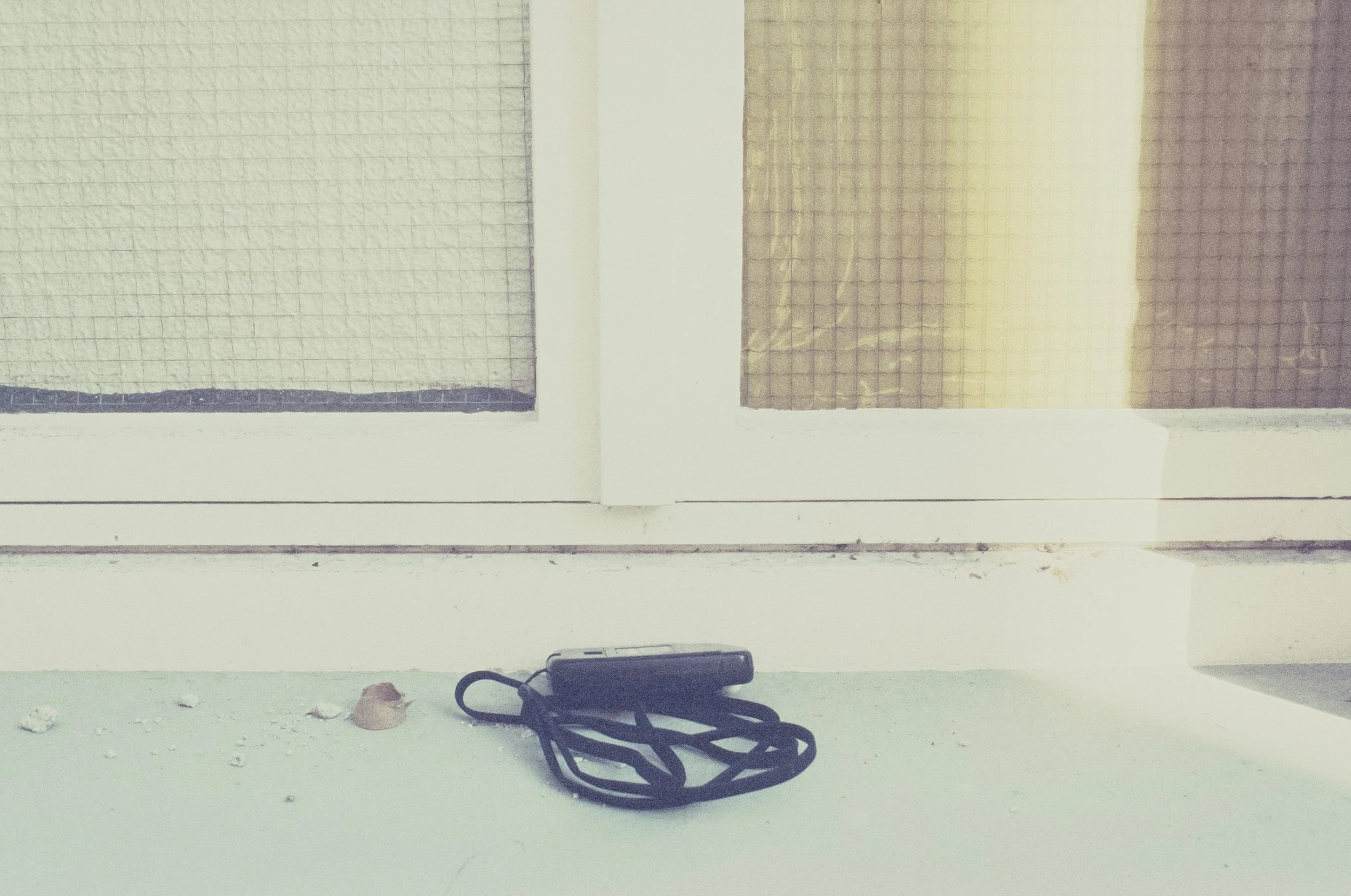
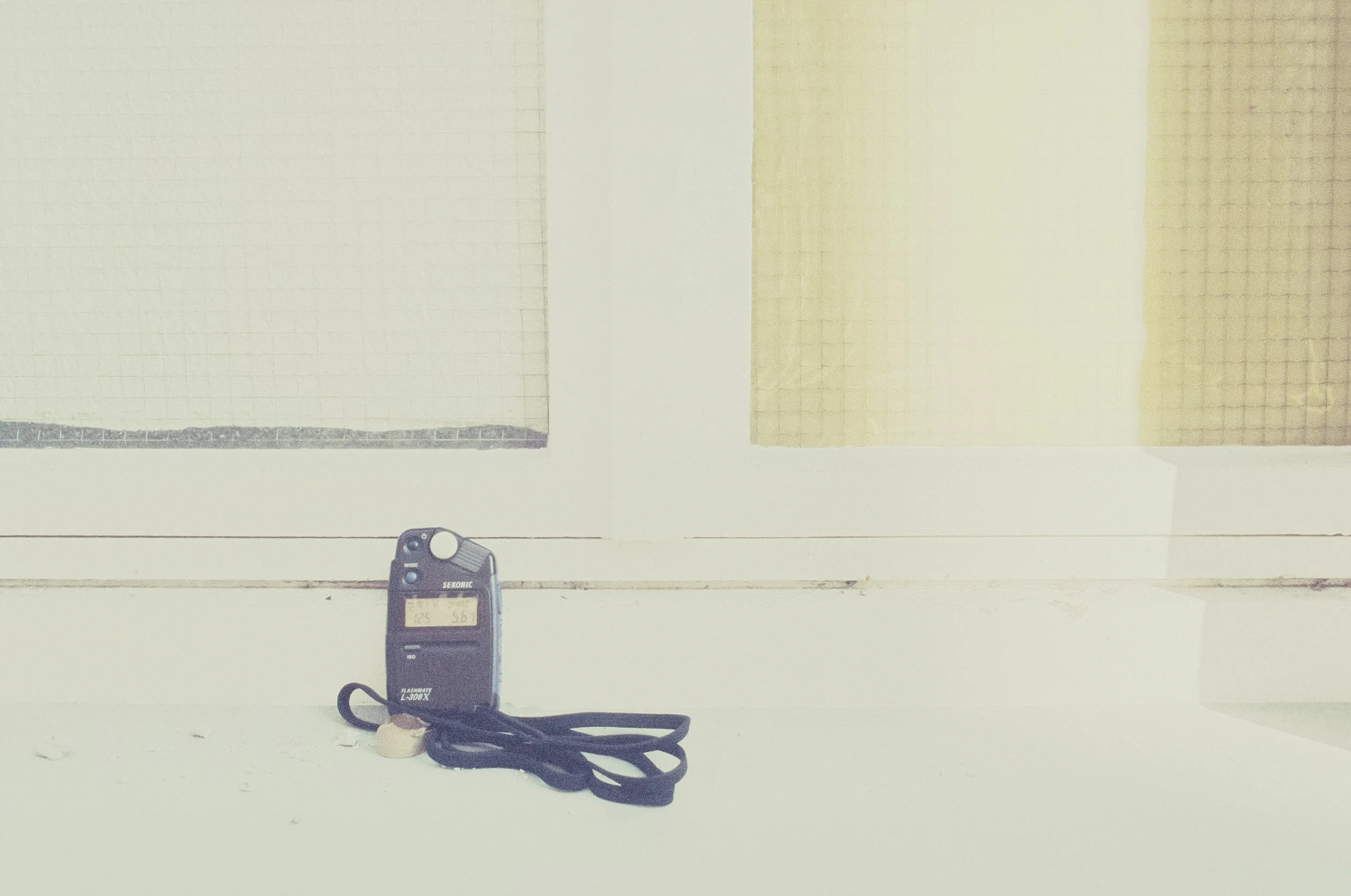
If there is one thing you need when shooting slide film—especially the expired stuff—it’s a metering method you know, trust, and stick with. For me, that’s the Sekonic L-308X.
Slide film is notorious for its narrow dynamic range. Unlike color negative film, where you can "meter for the shadows" and let the highlights fall where they may, slide film requires a more surgical approach.
Metering for the Highlights is my advice. I typically stick with the base ISO and use incident mode (pointing the Lumisphere toward the camera from the subject's position) metering specifically for the highlights.
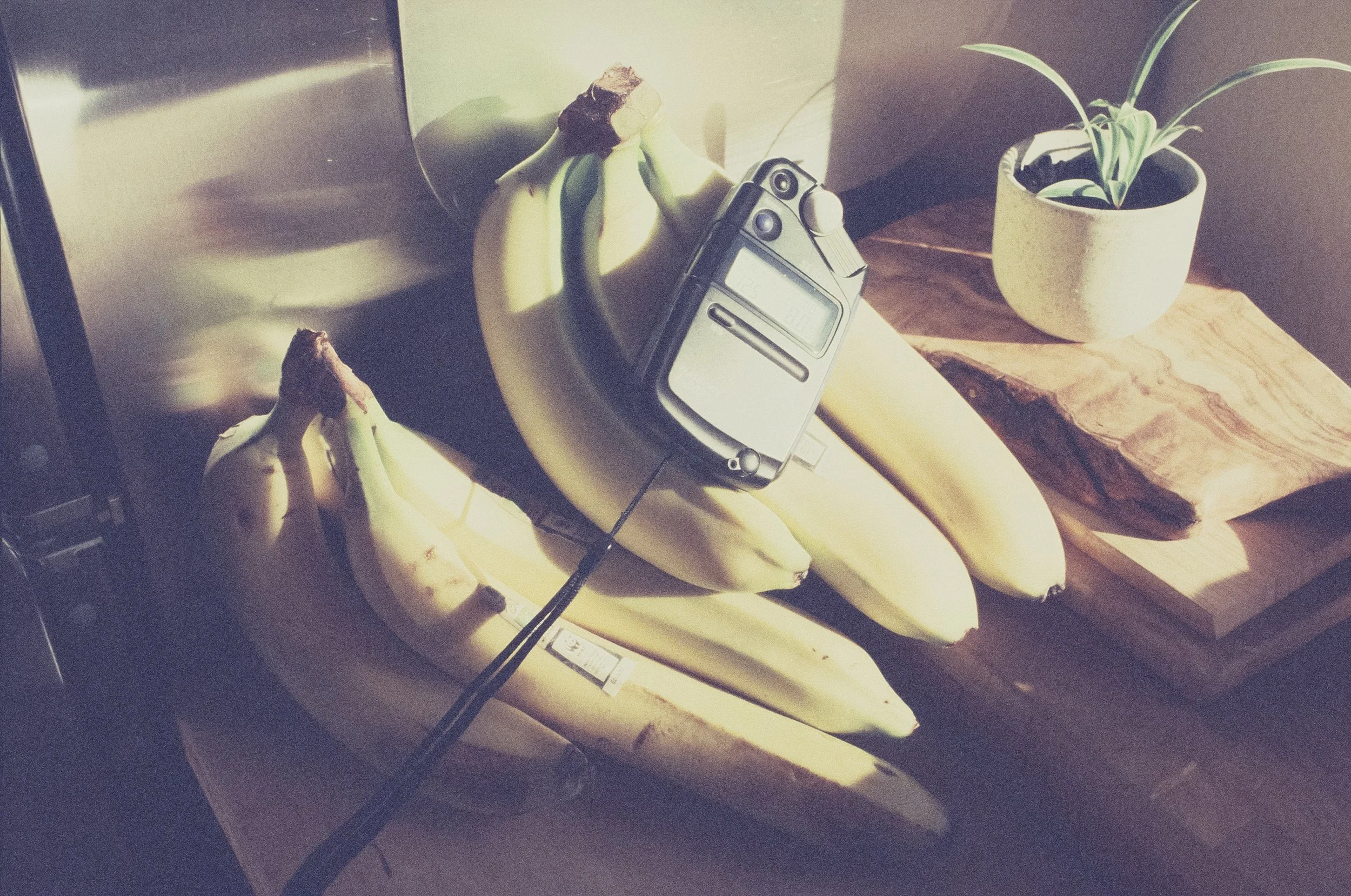
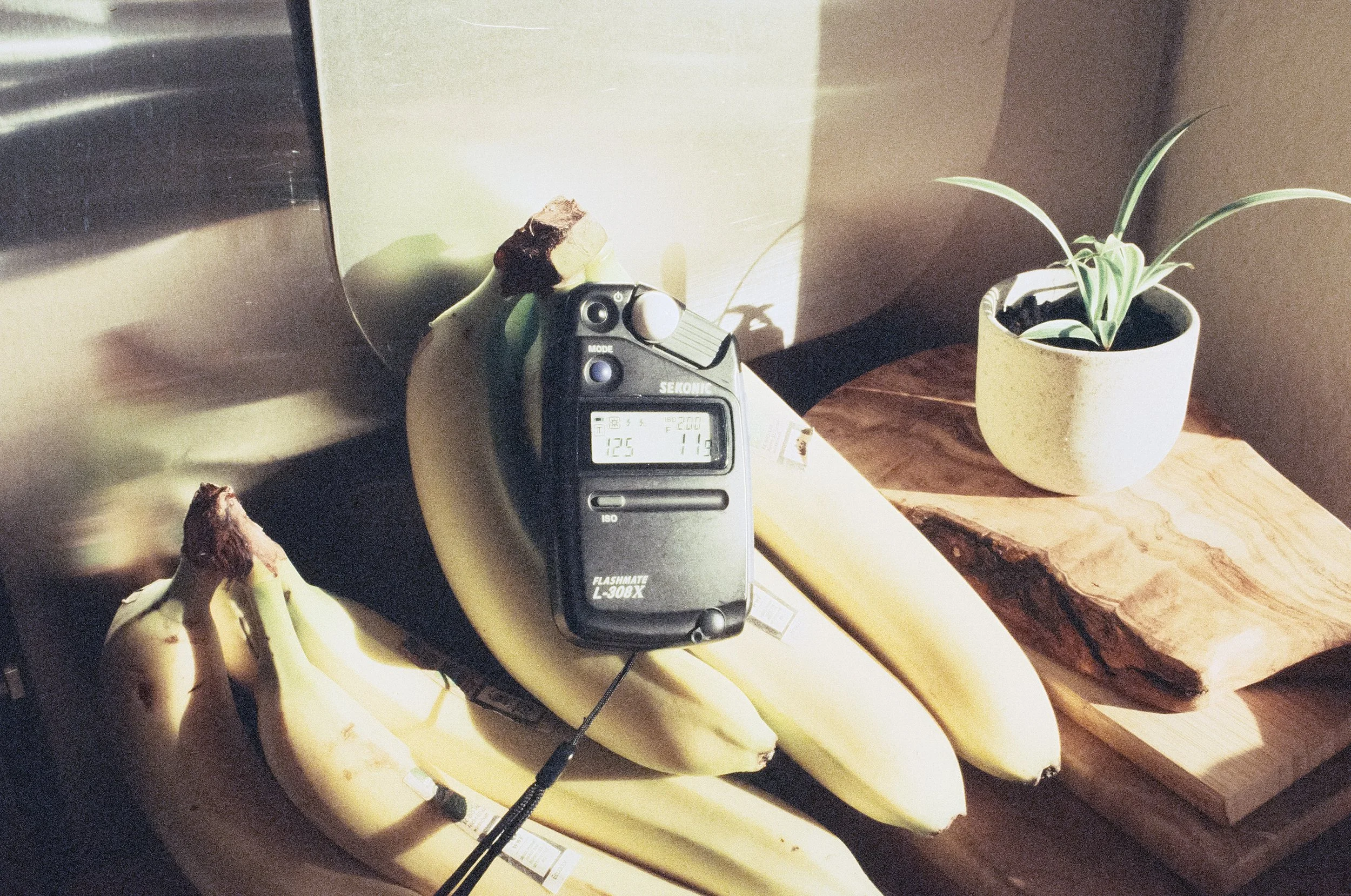
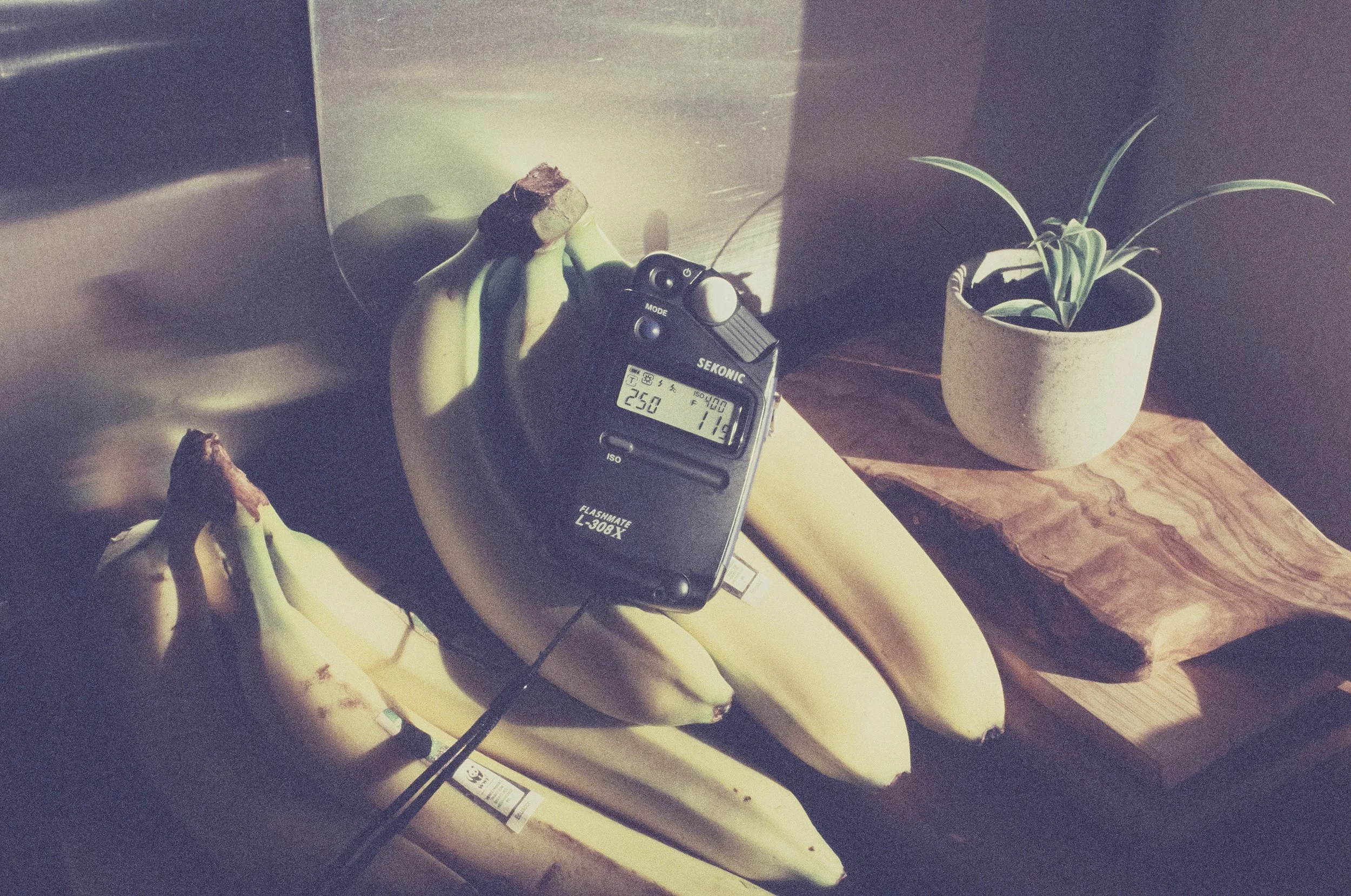
In the comparison images above, you can see the results of three different approaches:
Metered for the Highlights: The colors are saturated, and the bright facades are perfectly preserved. This is my preferred method.
Metered for the Midtones: A balanced (the lightmeter thought otherwise) look, but you risk losing that highlight information.
Metered for the Shadows: The image falls apart. The highlights blow out, and the film's age starts to show in a messy way.
Was it worth the Heist?
Absolutely. This isn't just about the money saved; it’s about the unique character of this specific batch. I love Retrochrome and was already settling on the thought that I would never shoot it again once my stock ran dry. I am stoked to now shoot this rare film stock more freely. It lives up to its name. It’s grainy, it’s moody, and it has a personality that modern emulsions simply can’t replicate. I still have 88 rolls left in the freezer—88 opportunities to capture the world through various lenses. Stay tuned for more series shot on this 422-meter treasure.