
FPP Retrochrome 400 Review: Shooting High-Speed Surplus Slide Film

It’s hard to express how much i love this film stock.
Finding a high-speed slide film nowadays has become super hard. With most high-speed options from Kodak and Fuji long gone, FPP Retrochrome 400 has popped up and sparked tons of interest for photographers who need speed (and/or love Grainydays aka Jason Kummerfeld) but want that E-6 aesthetic. But let’s be clear: this isn't fresh, neutral film. Retrochrome is government surplus Kodak Ektachrome that’s been cold-stored and re-spooled by the Film Photography Project.
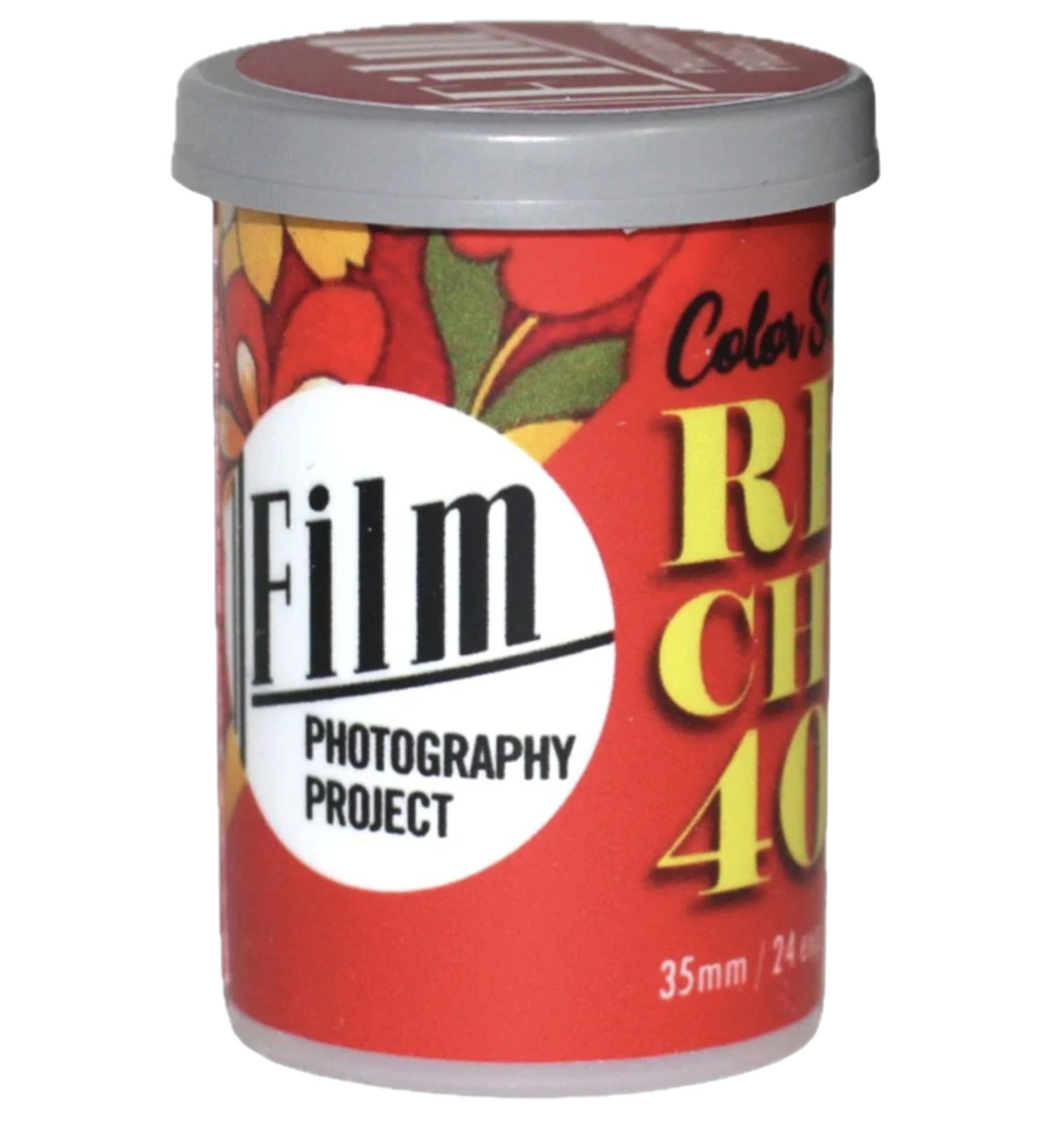
Quick Answer: What is FPP Retrochrome 400?
To be exact, FPP Retrochrome 400 is expired Kodak Ektachrome 2253, a high-speed color reversal (slide) film originally manufactured for government and industrial surveillance. Respooled by the Film Photography Project, it is known for its grain, warm 1970s cinematic color palette, and narrow dynamic range. For the best results, rate it at box speed (ISO 400) and meter carefully for the highlights using an incident light meter.
FPP Retrochrome 400: Technical Specifications
Before we dive into the look and feel, here are the hard facts you need to know about this specific surplus stock:
| Feature | Specification |
|---|---|
| Film Type | Color Reversal (Slide / Positive Film) |
| Original Stock | Kodak Ektachrome 2253 (Industrial / Government Surplus) |
| Box Speed (ISO) | 400 (Shoot at box speed, meter for highlights) |
| Format | 35mm (Respooled from bulk reels by FPP) |
| Development Process | Standard E-6 Chemicals |
| DX Coded | No (You must set your ISO manually!) |
| Dynamic Range | Very narrow (Prone to blown-out highlights if overexposed) |
| Key Characteristics | Crunchy grain, warm/golden color shift, cinematic 70s vibe |
How to Meter Expired Slide Film: My Retrochrome 400 Metering Suggestion
This is where most people get nervous. It’s "expired" surplus, but it’s also slide film, a medium notorious for its thin latitude. If you look online, opinions are all over the place: some say rate it at ISO 400, some swear by ISO 200, and others land at ISO 320.
When shooting expired color positive film, the most common mistake is overexposing like you would with film stocks such as Portra or Fuji Pro400H.
But here is what gets me: No one really tells you how they meter. Shadows, mids, highlights? Reflective or incident?
Here’s how i go about it.
I typically stick with the base ISO and use incident mode of my Sekonic L-308X (pointing the Lumisphere toward the camera from the subject's position) metering specifically for the highlights.
In the comparison images below, you can see the results of three different approaches:
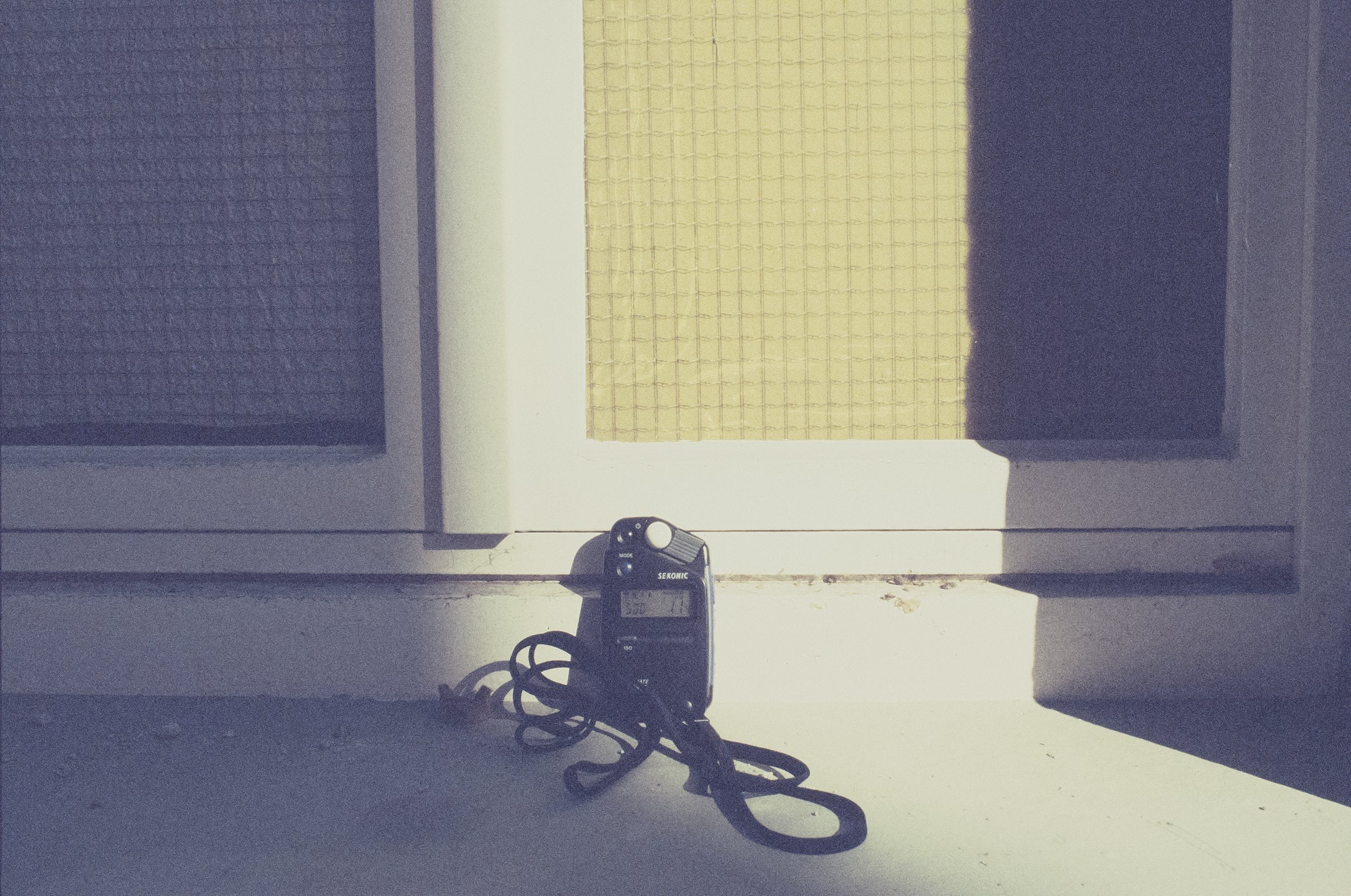
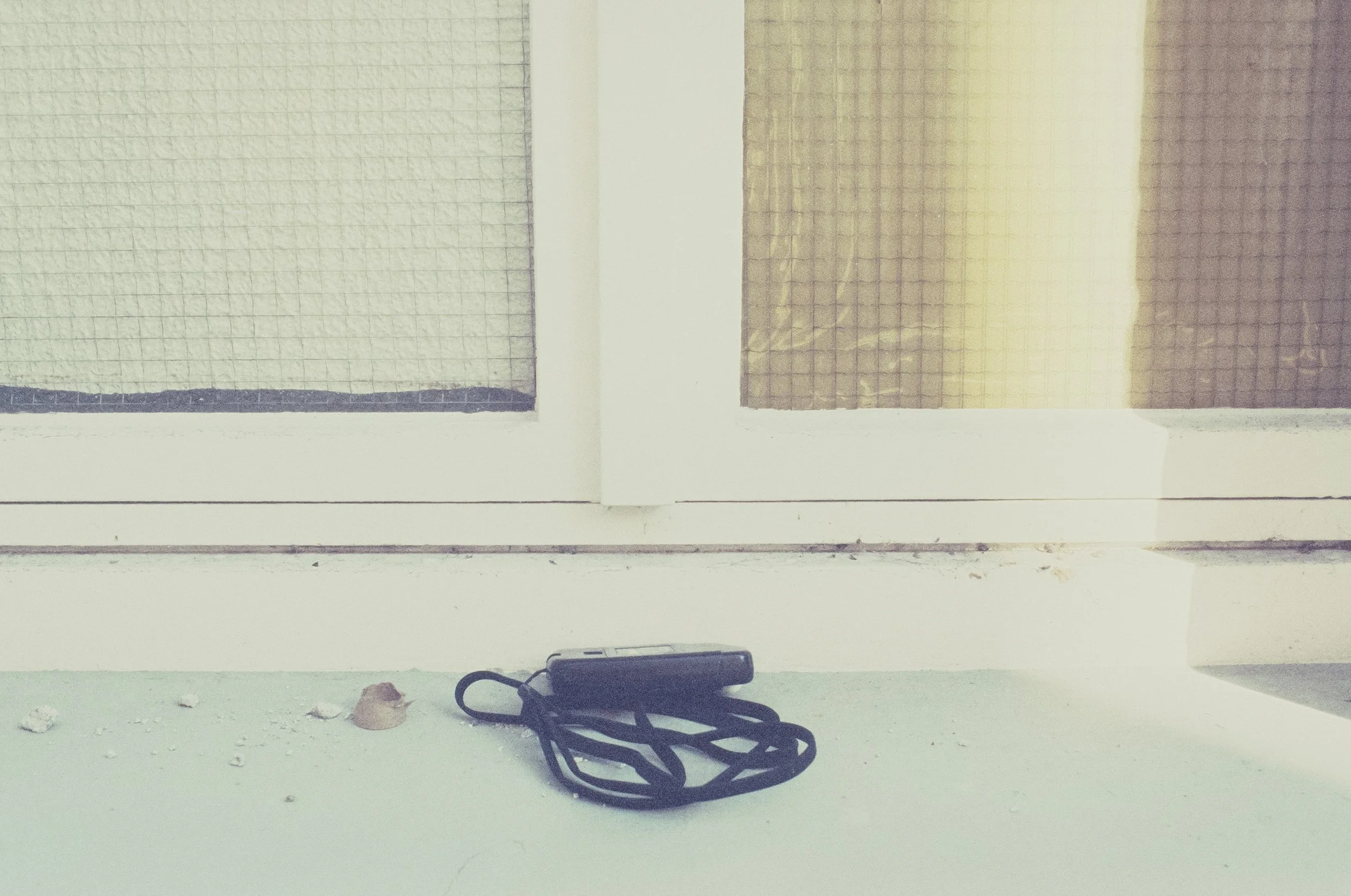
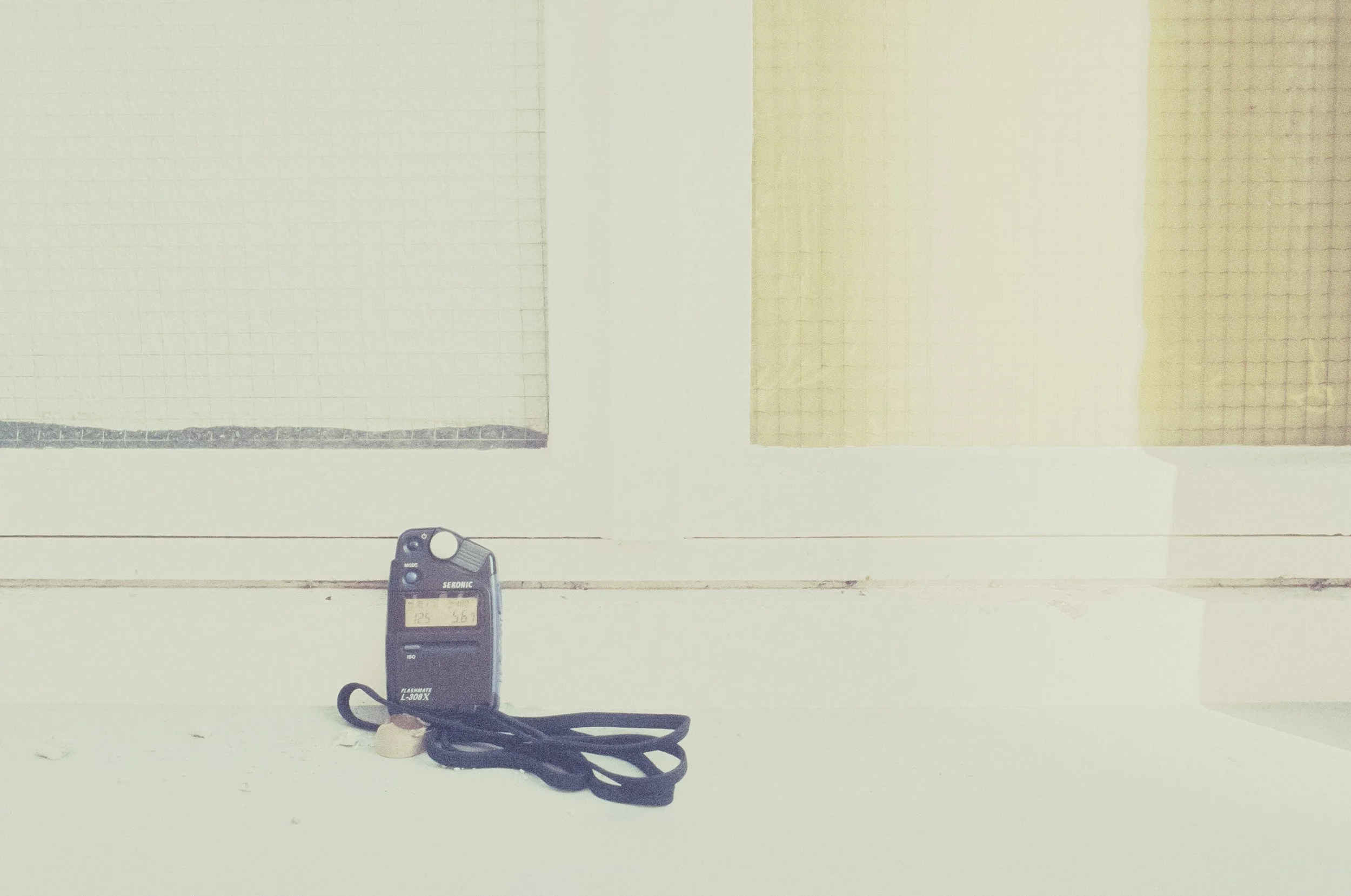
Metered for the Highlights: The colors are saturated, and the bright parts are perfectly preserved. This is my preferred method.
Metered for the Midtones: A balanced look (the lightmeter thought otherwise), but you risk losing that highlight information.
Metered for the Shadows: The image falls apart. The highlights blow out, and the film's age starts to show in a messy way.
Portugal - October 2025
I took one roll of Retrochrome 400 to Portugal during my fall vacation, and the light was nothing short of ideal, warm, and low-hanging. I shot about four rolls of film in my Nikon F2 (My Canon P stayed at home - full review here) in total during that week and this is FPP Retrochrome turned out to be my absolute favorite.
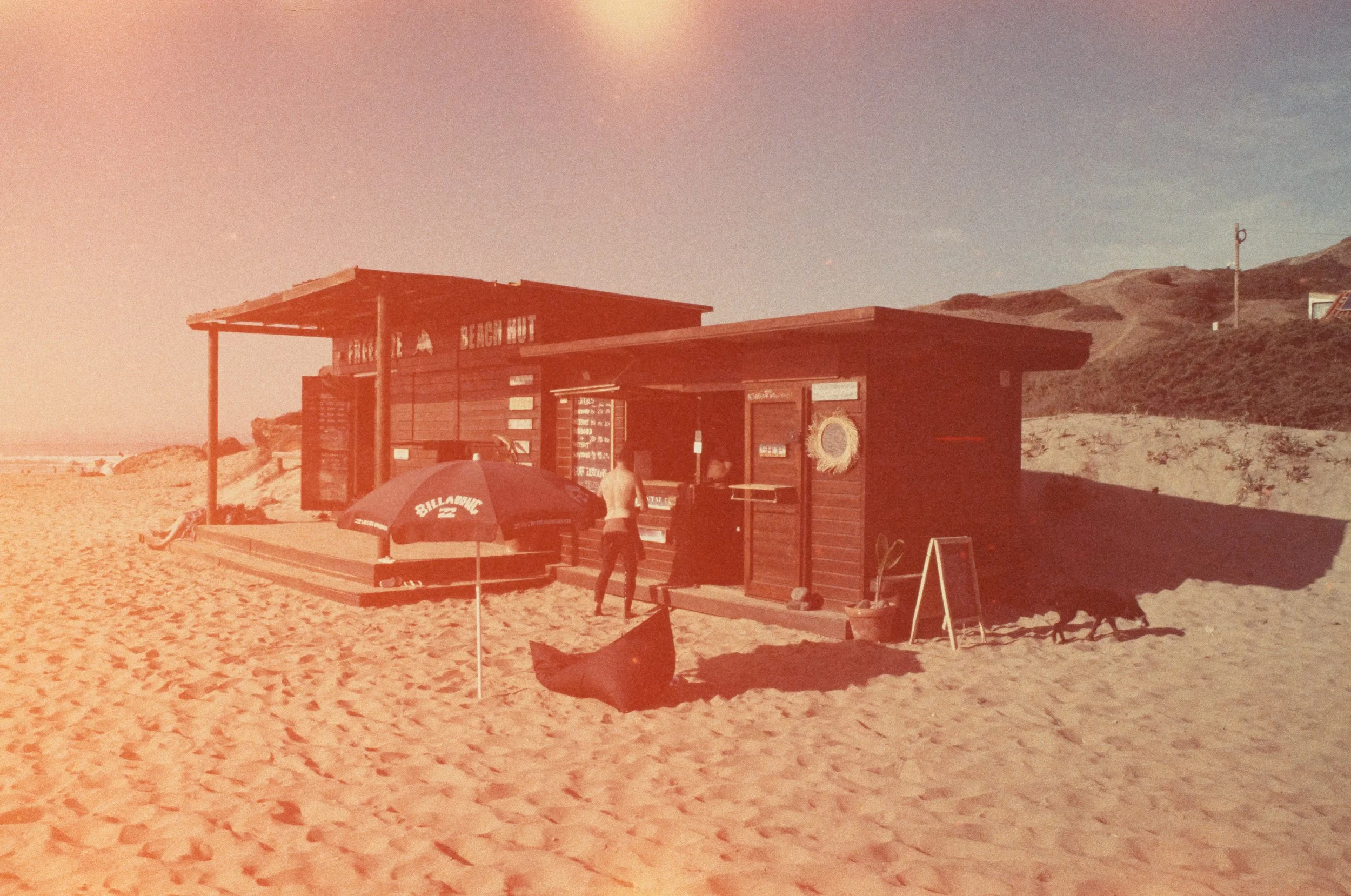
Being a respooled film, Retrochrome gives you those beautiful, unpredictable "first-of-the-roll" (second and third of a roll too) light leaks and film burns.
Embracing Light Leaks: The Lo-Fi Aesthetic of Respooled Expired Slide Film
Some people hate light leaks; they see them as a technical failure. But for me? The more, the merrier. If you wanted perfection, you’d be shooting digital or any other fresh filmstock. Isn't that unusual, artsy, and "lomo-esque" look exactly why we hunt for expired slide film in the first place? It’s the visual soul of the medium.






A Note on the files
The images shown here have been edited. (Except the last one) Even with the ideal Portuguese light. I applied slight RGB curve tweaks, black point anchoring, and minor saturation adjustments to make them look as close to the projected image as possible.
To pull as much detail as possible out of the dense shadows of this expired slide film, I highly recommend using a high-end scanner. You can read my full breakdown on why I use the Hasselblad Flextight X5 for expired Ektachrome here.
Believe me when I say that the projected images, the way they were meant to be seen, really pop in color. Retrochrome has a unique way of responding to contrast; it manages to feel sharp and gritty at the same time.
Retrochrome 400 Color Profile & Grain Structure
Don’t expect a polished Porta 400 look here. If you are looking for that vintage 70s film look, Retrochrome delivers it instantly without filters.
The Warmth: Retrochrome leans heavily into yellow and golden tones.
The Shadows: You’ll see cool, blueish-green undertones in the darker areas, creating a beautiful color contrast that looks "edited" even when it’s straight out of the scanner.
The Grain: Expect texture. At ISO 400, the grain is prominent and "crunchy." It adds to the lo-fi, documentary feel of the images.
Tips for Shooting FPP Retrochrome 400
Shooting Retrochrome 400 isn't like shooting modern negative film where you can just "overexpose and hope for the best." This is a high-speed, expired reversal stock. You need a strategy.
1. Avoid Backlit Scenes (Unless you want Silhouettes)
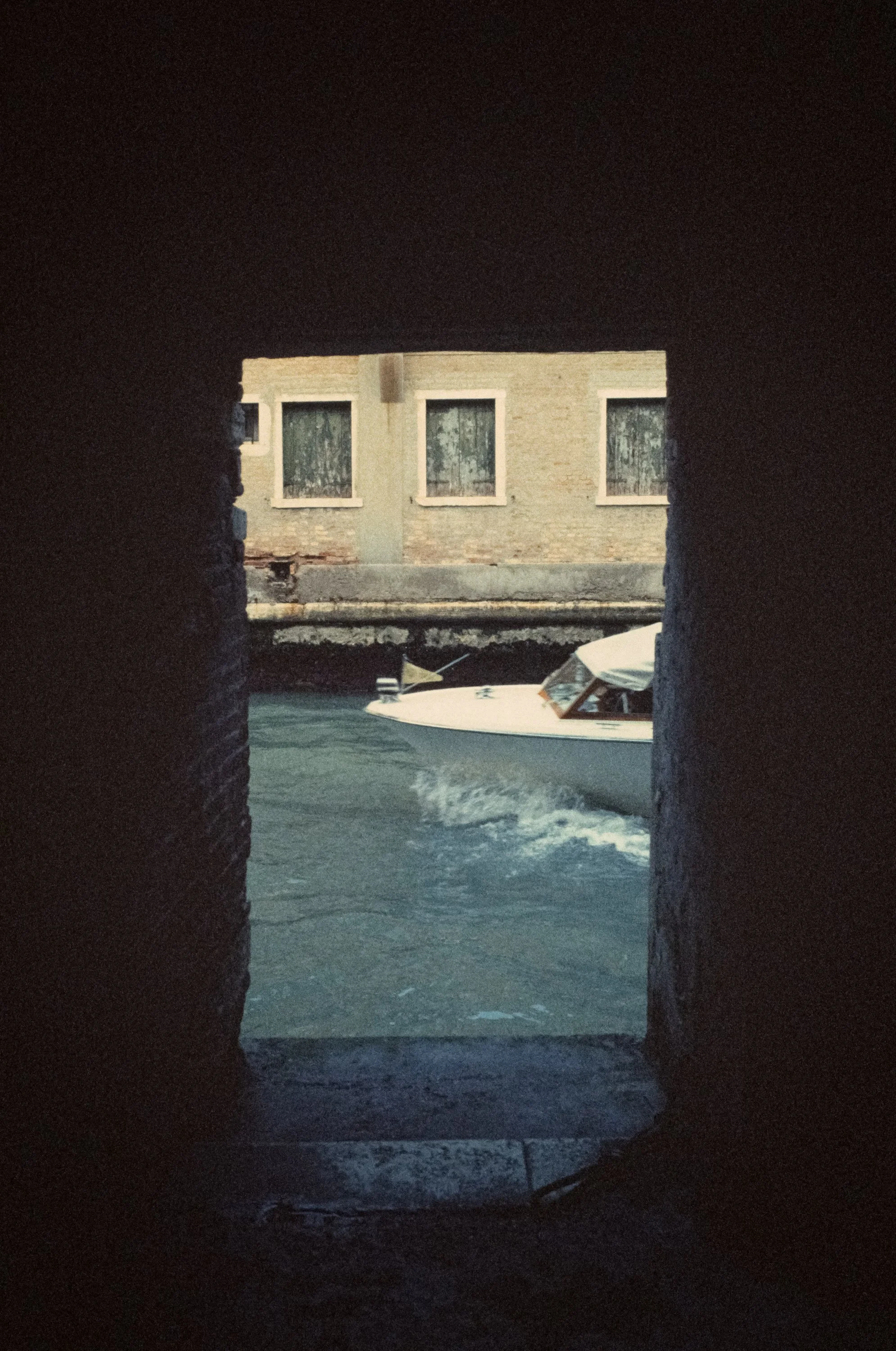
Retrochrome 400 has a very narrow dynamic range. If you shoot directly into the sun or have a bright sky behind your subject, the film simply cannot handle the contrast. You’ll end up with a blown-out sky or a subject that is nothing but a grainy, dark shadow. Try to keep the light behind you or hitting your subject from the side.
2. Identify Your Object—And Expose for It!
Before you press the shutter, ask yourself: What is the actual object of this picture?
Is it the face of the person in the shadow?
Expose for that specific object. If you try to compromise and "meter for the whole scene," you’ll likely lose both the highlights and the shadows. Slide film requires you to make a choice. If the wall is the hero, let the rest fall into darkness. Or don’t take the picture.
Here are some pictures to show you those characteristics.


Final Verdict: Is FPP Retrochrome 400 Worth Shooting in 2026?
Retrochrome 400 is not for everyone. If you want the ultra-fine grain of Ektachrome E100, you’ll be disappointed. But if you want a film that has soul, character, and speed, this is it. It’s unpredictable, addictive, and delivers a vintage look that no Lightroom preset can truly mimic. It truely reminds me of the Artist Stefanie Schneider. She shot tons of expired Polaroids. Retrochrome has a similar aura. Dreamy, colorful, joyful and slighly crazy.
That’s exactly why i love it. So if you can get your hands on a roll. DO IT!
I still have four rolls in my freezer and was already settling on the thought that I would never shoot it again once my stock ran dry.
But, i got incredibly lucky and found some reels of Ektachrome 2253 which have been in the freezer for over 20 years. (There is a little story on that, Part I, and Part II here as well) Yes it’s hard to believe. I know. So now my fridge is packed with that stuff.
FPP Retrochrome 400: Frequently Asked Questions
Can I develop FPP Retrochrome 400 in C-41 (Cross-Processing)? Yes, you can cross-process Retrochrome 400 in C-41 chemicals. This will result in high-contrast negatives with wild color shifts (usually leaning towards greens and yellows) and even more pronounced grain. However, for the intended "1970s cinematic" slide look, standard E-6 development is recommended.
Does FPP Retrochrome 400 have a DX code? No, Retrochrome 400 is re-spooled from industrial bulk rolls into recycled canisters. It does not have a DX code. You must manually set your camera's ISO to 400. If your camera doesn't allow manual ISO selection, it will likely default to ISO 100, which will overexpose this slide film by two stops.
How should I store FPP Retrochrome 400? Since this is expired government surplus film, it is highly sensitive to heat. You should keep it in the freezer or refrigerator until the day you shoot it. Cold storage is the only way to preserve the remaining color sensitivity of the Ektachrome emulsion.
Is FPP Retrochrome 400 the same as Kodak Ektachrome E100? No. While both are Ektachrome stocks, Retrochrome 400 is based on Kodak 2253, an industrial/high-speed surveillance stock. It has much larger grain and a completely different color science compared to the modern, fine-grained Ektachrome E100.
What happens if I overexpose FPP Retrochrome 400? Unlike color negative film (like Portra), Retrochrome (slide film) has very little highlight latitude. Overexposing will lead to "blown-out" highlights where all detail is lost. It is always safer to meter for the highlights to keep the colors saturated and the details intact.
Enjoyed this? You might also like:
If you found this technical breakdown of FPP Retrochrome 400 helpful, check out my other deep dives into the world of expired emulsions and color recovery:
Forget the Mju-II: Why the Olympus AF-1 is the Best Point & Shoot Under $100
Mamiya M645 Review (2026): The Best Entry into Medium Format?
Nikon F2 Review (2026): Is This the Best Mechanical 35mm Camera?
Nikon F Review (2026): Shooting the Indestructible 35mm Legend
422 Meters of Frozen Gold: The Expired Ektachrome Heist Part I
422 Meters of Frozen Gold: The Expired Ektachrome Heist Part II
Embrace the Blues: Why Ektachrome shifts cooler and how to handle it
Minolta SR-101 (SRT 101) Review: The Ultimate Mechanical SLR in 2026?