Canon P Review: The Best Value LTM Rangefinder?
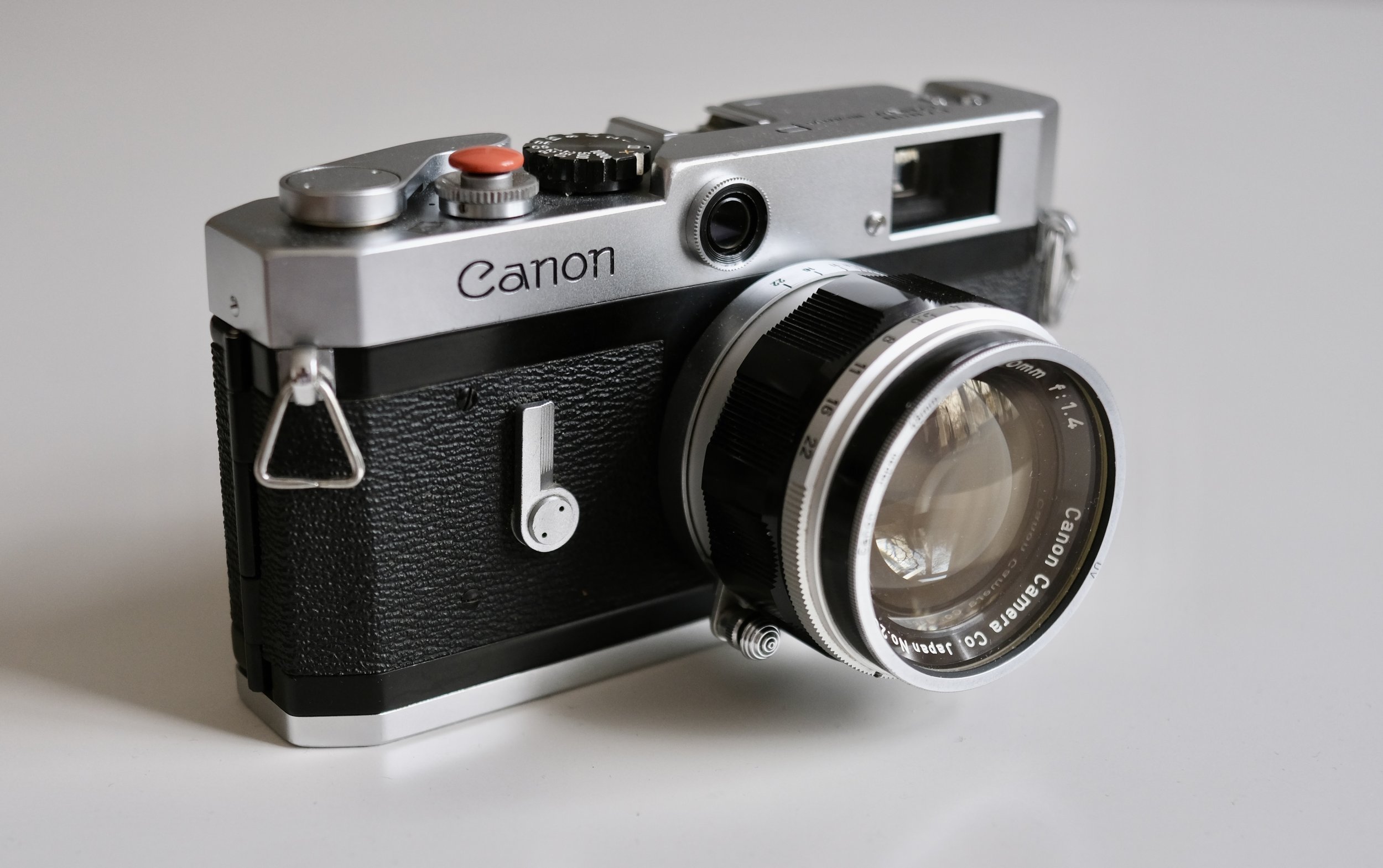
Clean looks
The Canon P is a fully mechanical 35mm rangefinder camera using the Leica M39 (LTM) screw mount. It is widely considered one of the best value vintage rangefinders, especially for 50mm shooting. While it offers excellent build quality and a bright 1:1 viewfinder, it lacks a built-in light meter and is less convenient for wide-angle use—especially for glasses wearers.
Canon P vs. Leica: The History of the Populaire
The Canon P (Populaire), released in 1959, is often overshadowed by its more famous German cousins or its own successor, the Canon 7. But in the world of vintage rangefinders, the "P" is arguably the peak of usable, mechanical design. It’s a tool that feels solid, looks understated, and stays out of your way.
Canons history goes way back to the 30s. Almost every Leica design got a copy from Canon. Like the Kwanon (the prototype that started it all) or the early Canon II, III, and IV series, which were heavily inspired by the Leica III screwmount cameras.
Canon P Technical Specifications & Features
| Feature | Specification |
|---|---|
| Camera Type | 35mm Rangefinder Camera |
| Lens Mount | LTM (Leica Thread Mount) / M39 |
| Viewfinder | 1:1 Magnification (Life-size) |
| Framelines | 35mm, 50mm, 100mm (Permanent) |
| Shutter Type | Stainless steel foil, focal plane shutter |
| Shutter Speeds | 1s to 1/1000s + Bulb (X-sync at 1/55s) |
| Flash Sync | PC-Socket (Side-mounted) |
| Film Loading | Modern swing-back door |
| Rewind | Integrated fold-out crank |
| Weight | ~650g (Body only) |
| Battery | None (Fully mechanical) |
Canon P – Pros
Extremely robust and reliable (built like a tank classic rangefinder)
huge lens selection with LTM/M39 mount
Bright, large viewfinder for its era
Fully mechanical - no battery required
Relatively affordable entry into rangefinder systems
Canon P – Cons
No built-in light meter (external meter needed or sunny 16)
Limited frame line flexibility compared to later systems
Viewfinder is not ideal for glasses wearers
Cold shoe (requires sync cable for flash)
Design & Handling: Where Canon Out-Engineered the Competition
When you look at this almost 70-year-old camera, it looks surprisingly modern. It represents the moment where Canon stopped just "copying" Leica designs and started out-engineering the competition. While Leica stayed focused on their specific M-system philosophy, Canon integrated features into the P that were far ahead of their time. Many see the Canon P as the best mechanical Leica M2 or Leica M3 alternative due to its 1:1 finder and build quality.
Modern Ergonomics
The Canon P already features the now-normal way to load film: a regular door that is locked from the bottom. Generally speaking, it feels super sturdy and well-built—a dense, brass-and-steel machine with zero "flex." Also it looks just so sleek and stylish.
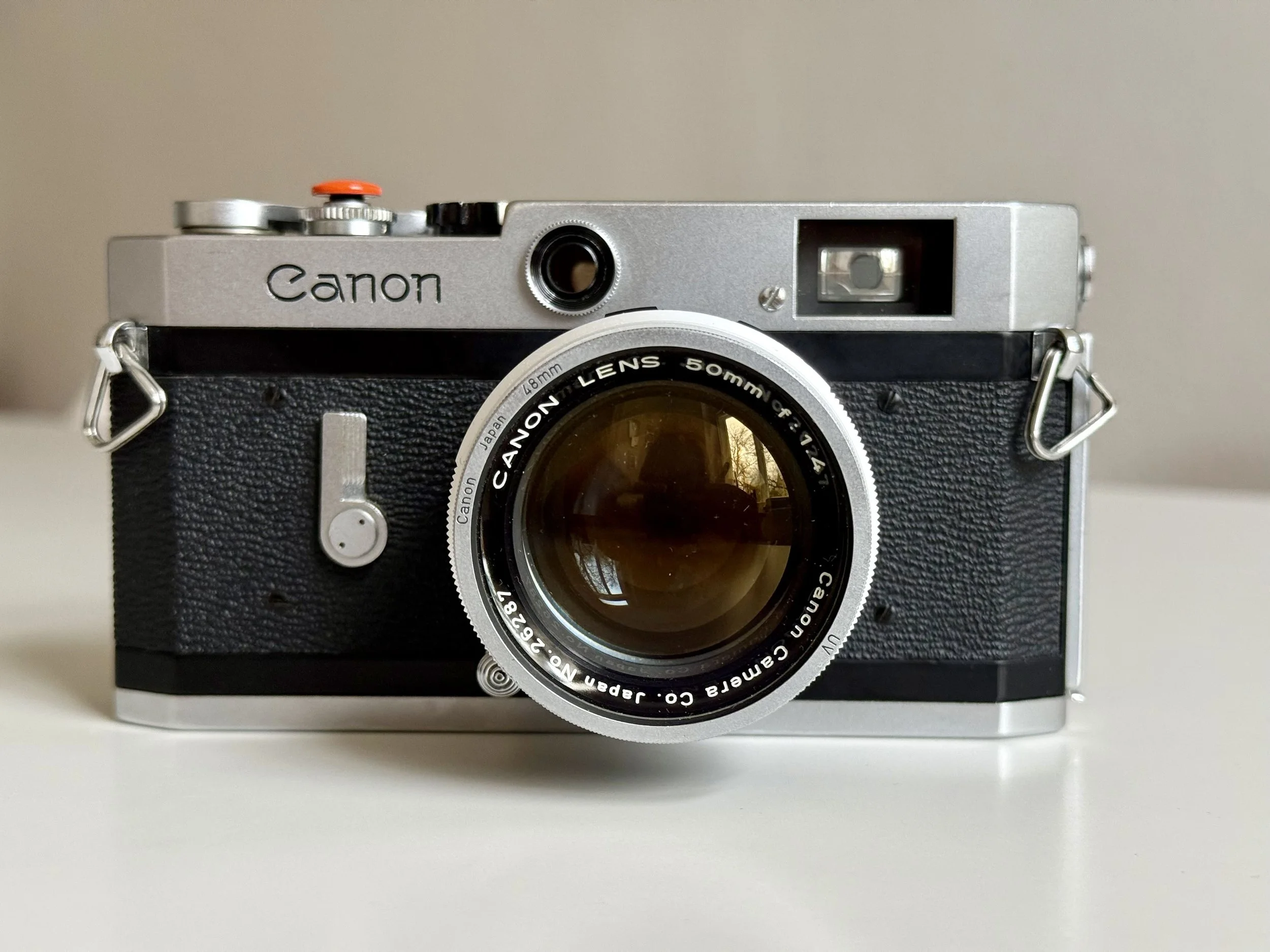
Canon P Close Up
Other cool features
The Integrated Viewfinder: Unlike the Leica screwmount cameras (which had separate windows for focusing and framing), the Canon P combined everything into one massive, bright 1:1 window.
The Rewind Crank: While Leica users were still fiddling with slow rewind knobs, Canon introduced a fold-out crank, making the process significantly faster and more intuitive.
The Metal Shutter: A bold move away from traditional rubberized cloth. By using stainless steel, Canon proved they were willing to innovate on a structural level to ensure durability.
Unlike many other cameras of its age, the Canon P Rangefinder Camera doesn't rely on foam light seals, reducing the risk of light leaks.
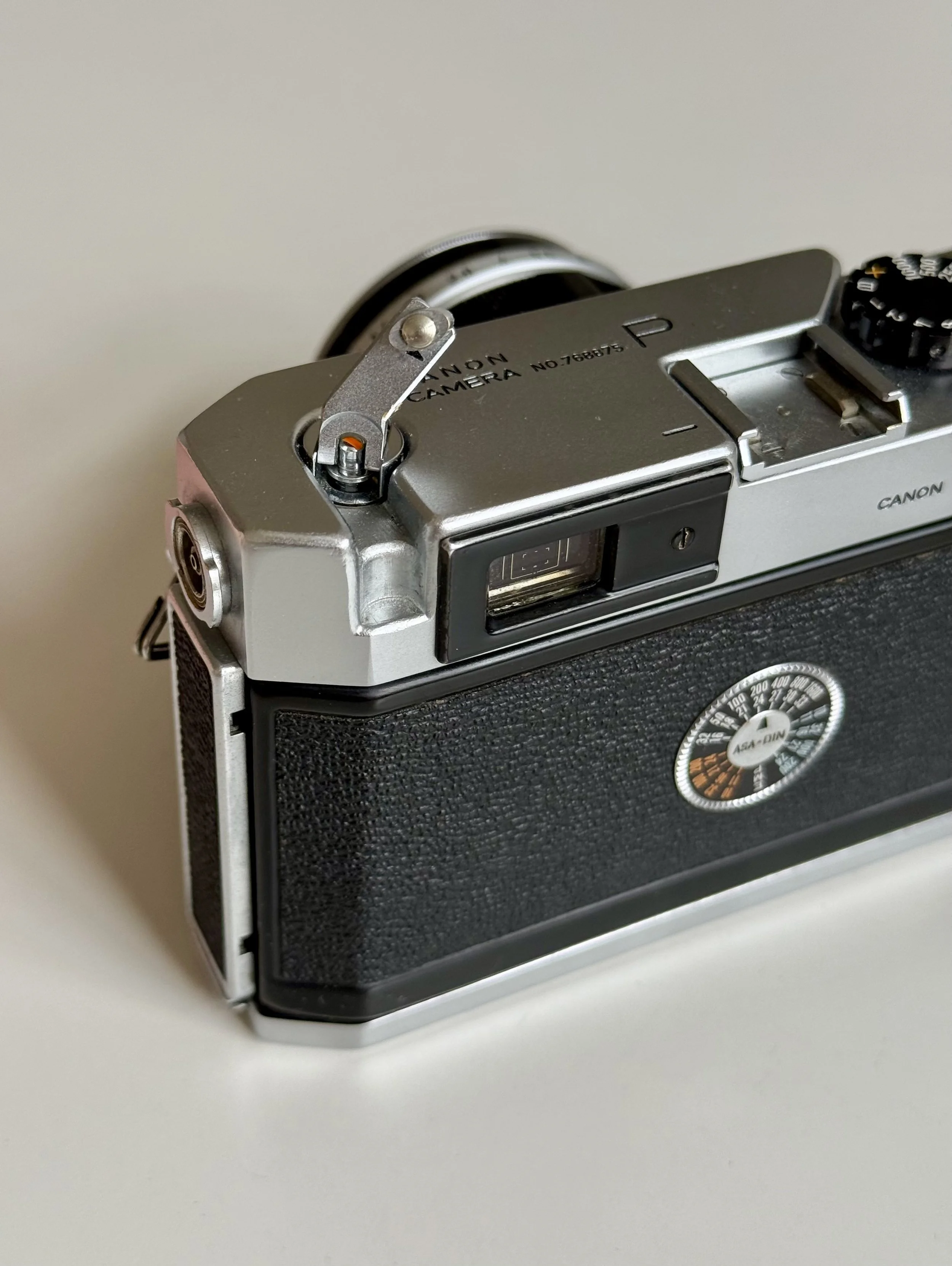
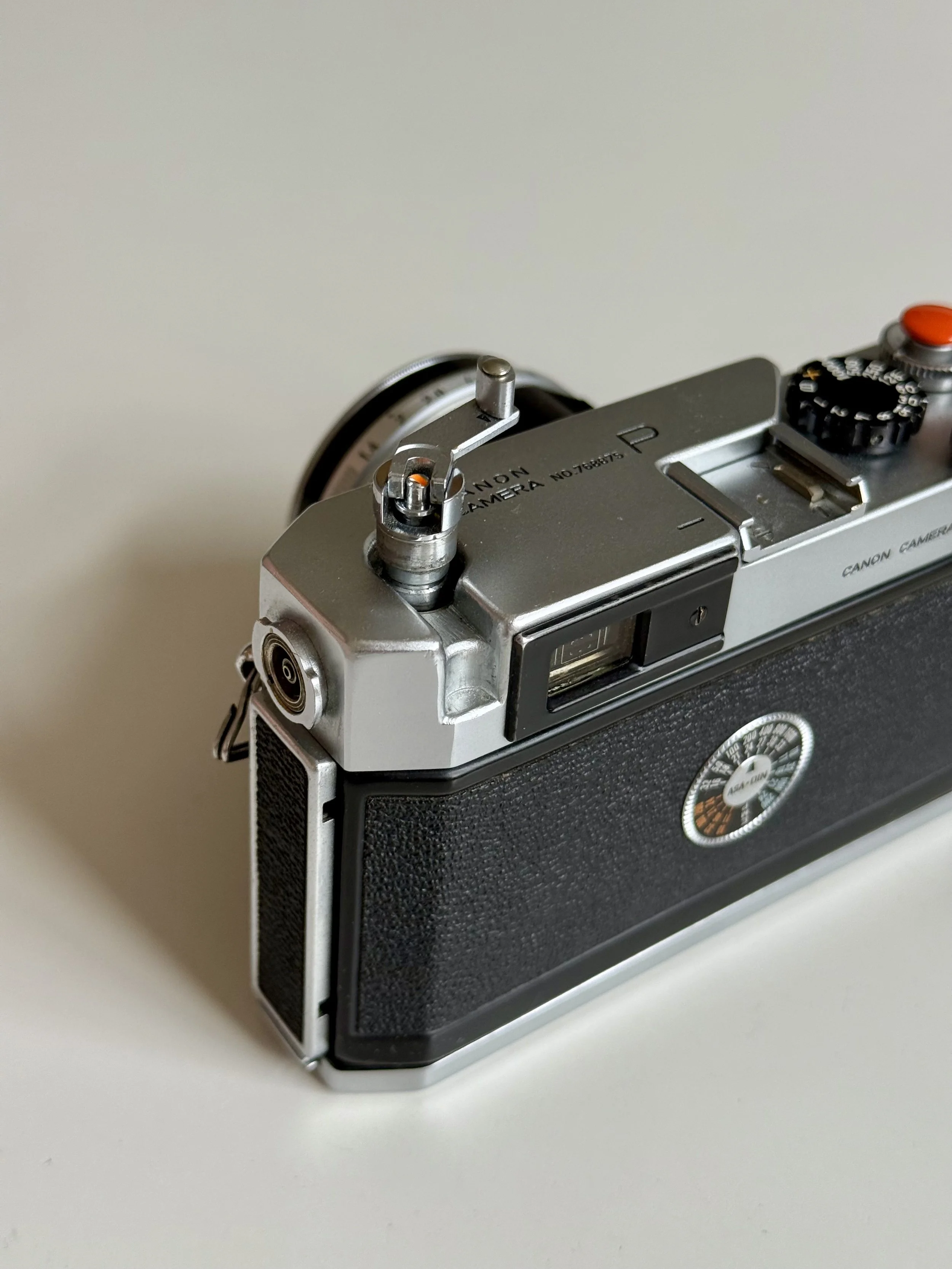
Viewfinder & Framelines: Common Issues
The Canon P is famous for its 1:1 parallax corrected viewfinder, but in daily use, it’s a game of compromises. The camera features permanent, automatic parallax corrected bright lines for accurate framing for 35mm, 50mm, and 100mm all visible at once. With its decent effective base length, focusing the 50mm f/1.4 wide open is consistently accurate.
You can keep both eyes open while shooting. Your left eye sees the world as it is, and your right eye sees the same world but with bright-line frames floating in mid-air.
Situational Awareness: This is a massive advantage for street photography. You aren't "blind" on one side. You can see a person walking into your frame before they even hit the 50mm lines. It makes the camera feel like an extension of your vision rather than a box in front of your face. Keep in mind this applies only if you are right eye dominant.
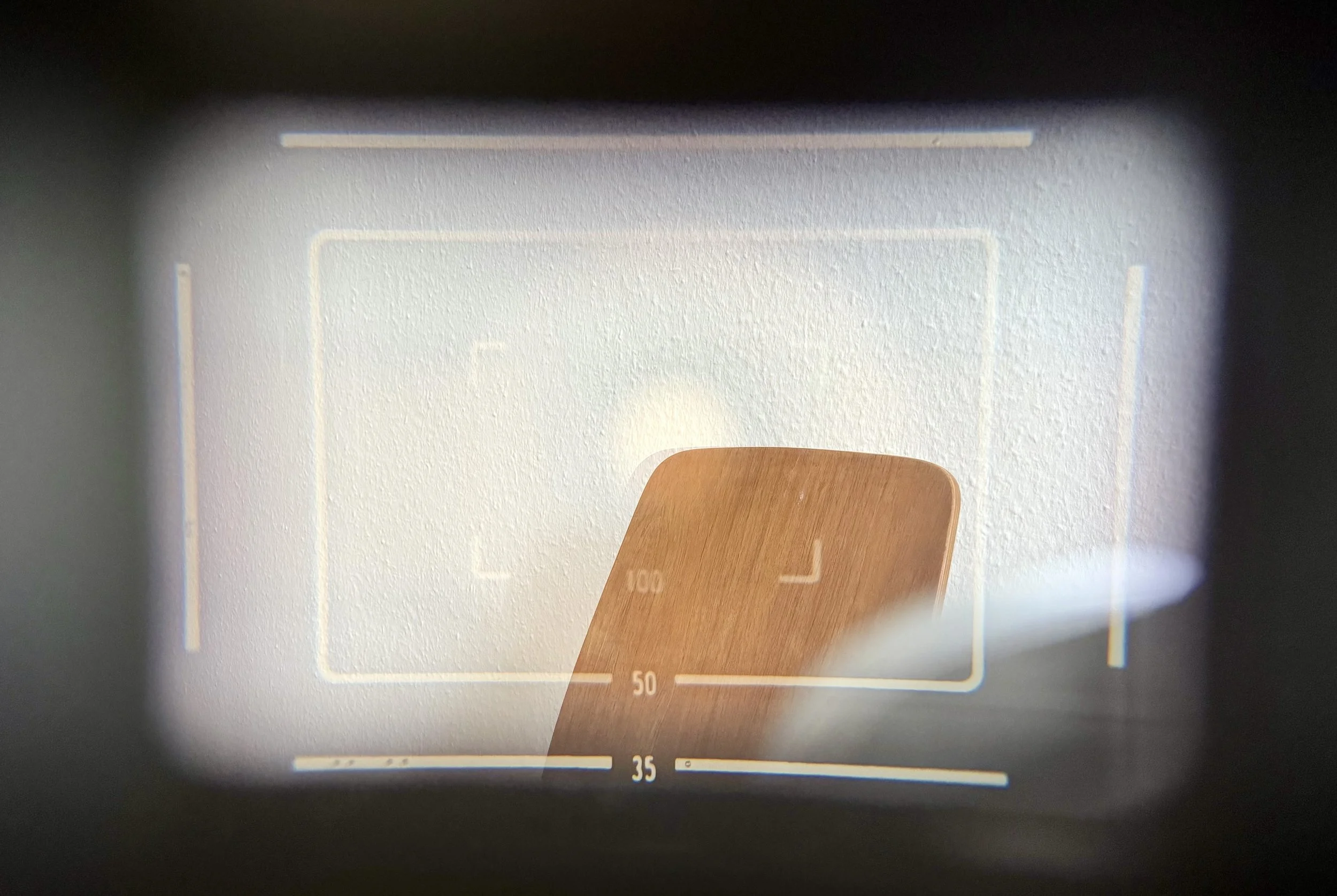
Canon P Viewfinder - Round Rangefinder patch
The "Cluttered" Advantage
While some photographers find the triple-frame layout a bit cluttered compared to a Leica M2, it has a hidden benefit. I’ve found that the 100mm lines are a great help for composing when using a 50mm lens. They act as a central reference point, helping you center your subject or align the horizon more precisely than a single 50mm box would.
The Reality of Shooting with Glasses
Here is a word of caution if you, like me, wear glasses: The 35mm experience is tough. Because the viewfinder is 1:1 (life-size), the 35mm frame lines are pushed very far out towards the edges of the window.
The Glasses Struggle: To be honest, as a glasses wearer, I simply cannot see the 35mm lines. I find myself "hunting" for the corners by tilting my head, which defeats the purpose of a fast rangefinder.
My Solution: I’ve settled on using the Canon P almost exclusively as a 50mm camera. For 50mm and 100mm, the view is spectacular and comfortable, but if 35mm is your main focal length and you wear glasses, you might struggle.
The Stainless Steel Shutter: Built for Longevity
Most cameras from the 1950s used rubberized cloth for their shutters. These are quiet, but they have a fatal flaw: if you leave your camera without a lens cap in the sun, the lens acts as a magnifying glass and can burn a hole right through the cloth in seconds.
Canon’s solution for the Canon P was a stainless steel foil shutter.
The "Wrinkle" Myth
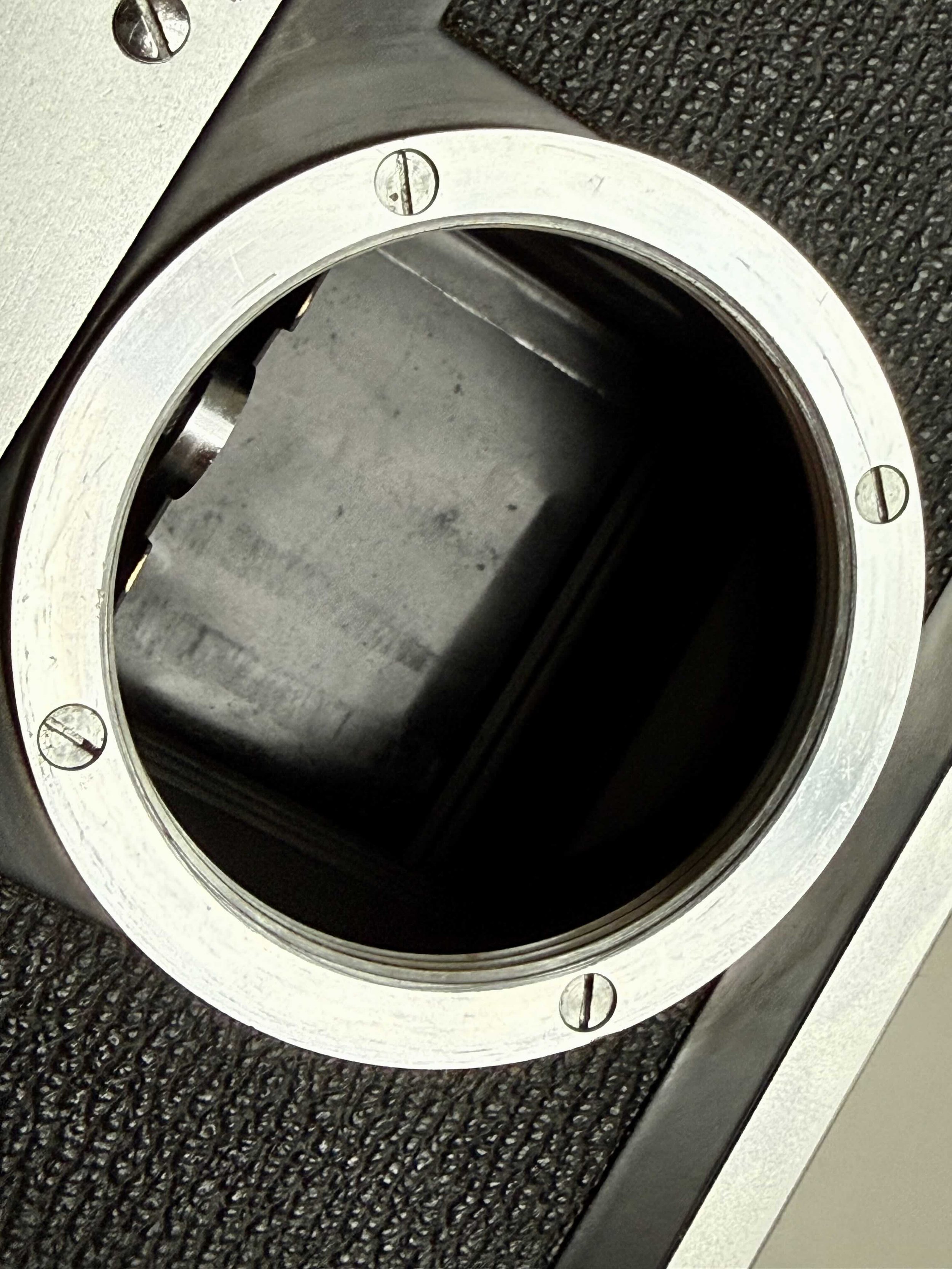
Canon P Shutter
If you search for a Canon P today, you will almost certainly see photos of shutters that look like crumpled tin foil. This is known as the "wrinkled shutter" phenomenon.
How it happens: Over decades, the thin metal foil loses some of its tension, or someone accidentally touched it while loading film.
Does it matter? In 99% of cases: No. As long as the foil is light-tight (no pinholes) and the shutter speeds are accurate, those wrinkles are purely cosmetic. In fact, finding a perfectly smooth Canon P shutter is rare and usually comes with a heavy price premium that doesn't improve your photos one bit.
The Best LTM Lenses for the Canon P (M39 Mount)
The Canon P uses the LTM (Leica Thread Mount), also known as M39. This gives you access to a vast ecosystem of vintage lenses from Canon, Leica, and Voigtländer. However, the market has changed. You can still get a lot of lenses, but prices are going through the roof pretty quickly as more people rediscover film.
Canon P: Lens Compatibility
It allows the use of all LTM/M39 Lenses. Just be careful with some of the soviet lenses! The 35mm Jupiter seems to have a large back element that may damage the internals of your Canon P.
The Sweet Spot: 50mm Gems
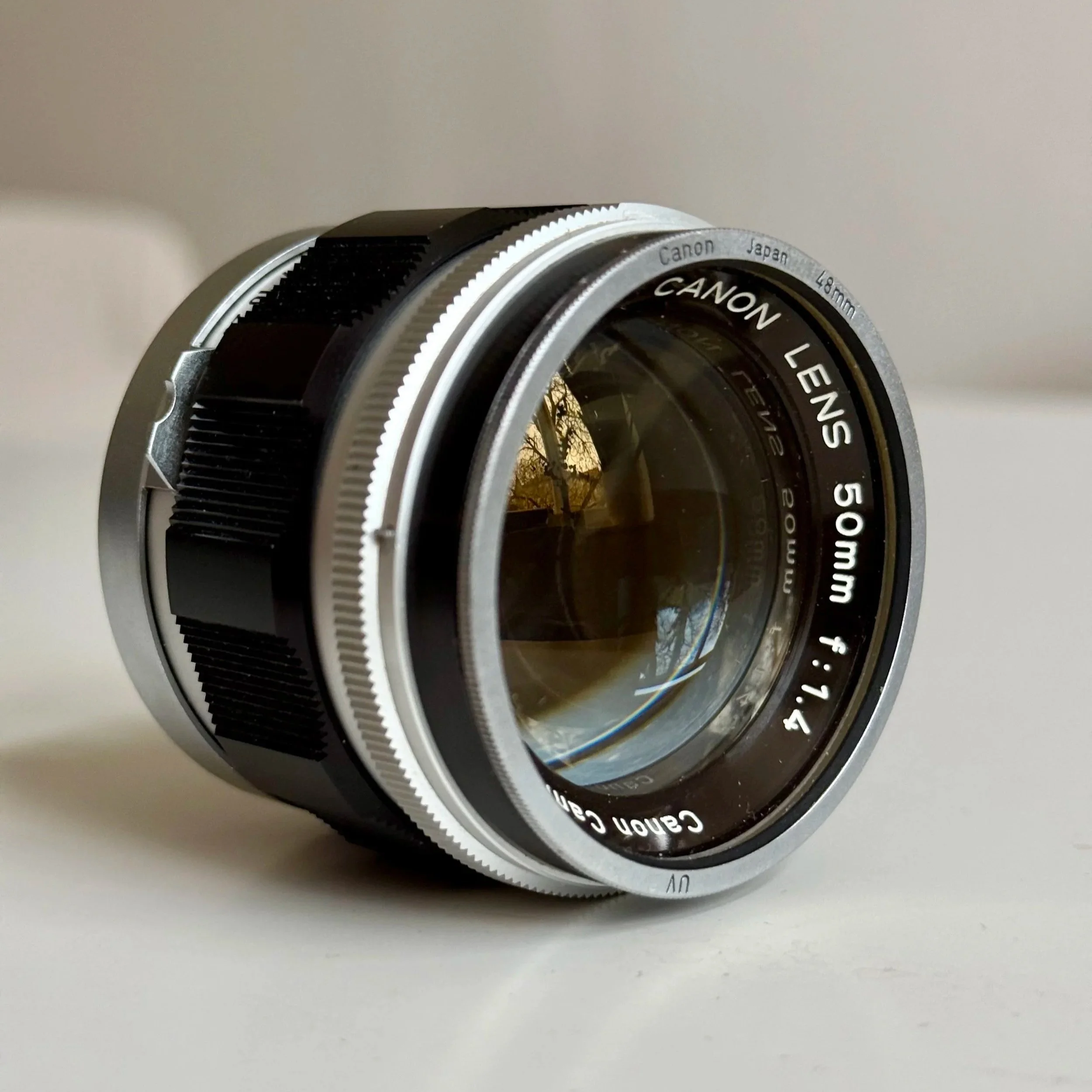
Canon 50mm f:1.4 LTM aka the Japanese Summilux
If you are looking for value, 50mm lenses are still the most affordable entry point.
The Canon 50mm f/1.4 LTM: Often called the "Japanese Summilux," this lens is legendary for its rendering and speed.
The Canon 50mm f/1.8 LTM: A bit smaller and more compact, but just as capable. Both are amazing lenses that feel great in the hand and deliver super nice, characterful pictures without breaking the bank (yet).
A Warning: Watch the Rear Element
While the M39 screw mount is universal, the Canon P's internal design is not. You need to be extremely cautious with certain wide-angle lenses, such as the Russian Jupiter-12 (35mm) or any other lenses with a large, protruding rear element.
Because of the way the light baffles and the metal shutter are positioned in the Canon P, these lenses can physically hit the internals.
The Risk: You will either damage the lens, the camera's shutter, or both.
My Advice: Always check the compatibility of vintage wide-angle glass before you try to screw it onto your Canon P.
Wide angle Options for the Canon P
Voigtländer Color-Skopar 35mm f2.5
35mm f2.8 Canon LTM
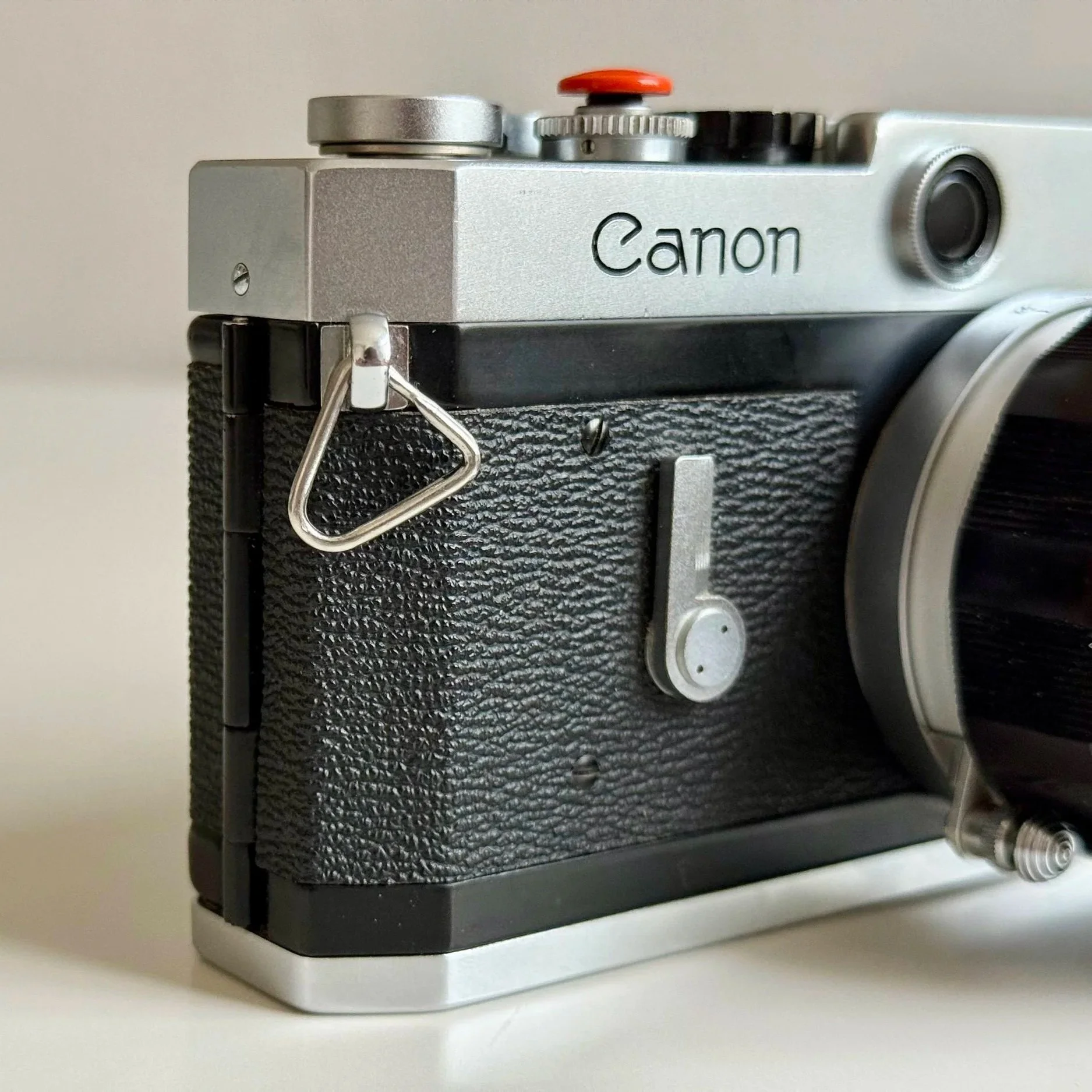
Self timer included
The Pure Experience: No Battery, No Problem
The Canon P is a fully mechanical beast. There is no built-in light meter, which might scare off beginners, but it’s actually one of its greatest strengths.
Embracing Sunny 16
Without a meter, you are forced to actually learn the light. I’ve found that using this camera with the "Sunny 16" rule feels incredibly organic. You start to see the light before you even lift the camera to your eye. And since it requires no batteries, you never have to worry about a dead cell ruining your day. It’s just you, the film, and the mechanics.
Flash Photography: The Godox Combo
While it’s a vintage camera, it plays surprisingly well with modern gear. The Canon P rangefinder camera features a cold shoe (for external light meters, viewfienders and flashes) but luckily also has a PC-sync socket on the side. So if you want to use a flash, you will have to use a cable to connect the camera to the flash. I often use it with the IM30 and a sync cable. It’s a small, powerful, and stylish combo that turns this 1950s rangefinder into a capable tool for film flash photography.
If you are new to this topic, i just wrote a guide on this somewhat over mystified topic. Read it here.
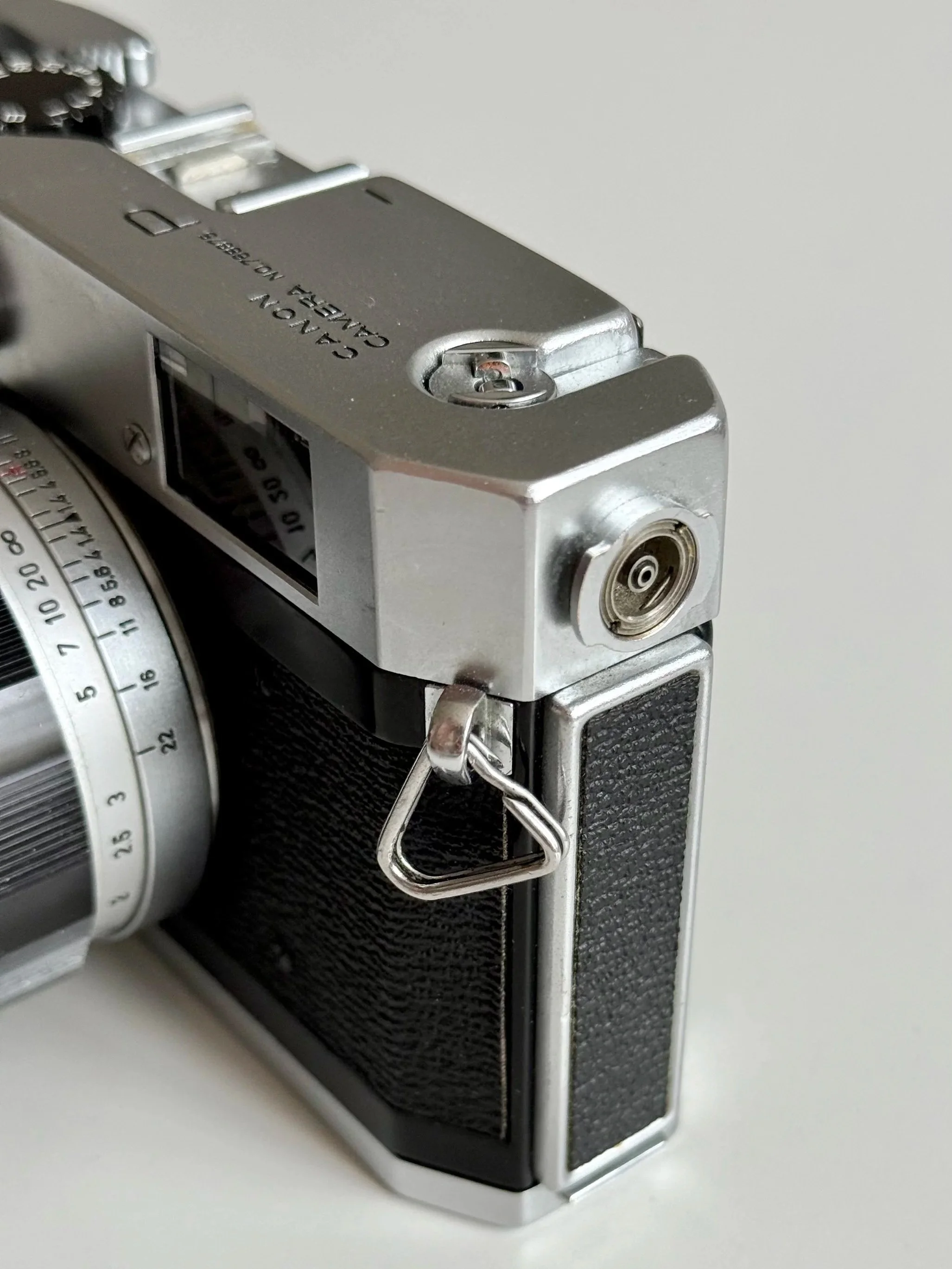
Canon P PC Port
Who is the Canon P for?
I genuinely like the Canon P for its simplicity. It’s a tool that has forced me to adapt, and I’ve accepted it as a strict 50mm shooter due to the fact that I wear glasses. It’s a compromise I’m willing to make for that incredible 1:1 view.
When comparing the Canon P vs. Leica M2, the most striking difference is the 1:1 magnification of the viewfinder. While the Leica has a higher effective base length, the Canon P’s ability to shoot with both eyes open makes it a superb street photography tool. Pair it with a Voigtländer VC Meter II on the cold shoe, and you have a setup that rivals much more expensive M39 rangefinder systems.
Canon P: Rangefinder Adjustment
One thing to note: the rangefinder is a mechanical heart that works exactly as it should, and unlike some other systems, it can be adjusted very easily if it ever goes out of alignment.
Pro Tip: If you want a dedicated blog post on how to calibrate the Canon P rangefinder yourself, just let me know in the comments!
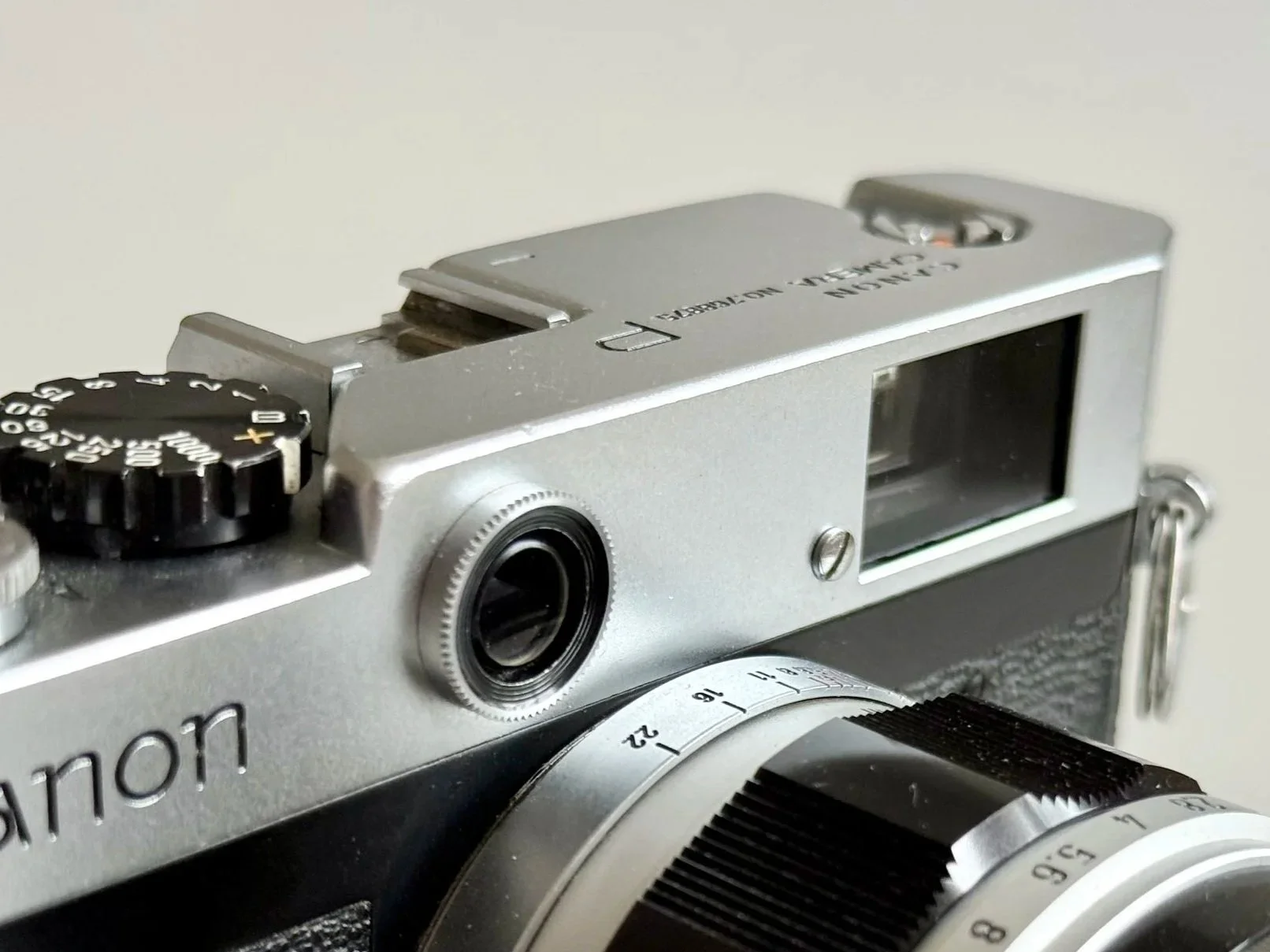
The rounded nut and screw grant access to the adjustment of the rangefinder
Final thoughts: Is it still worth it in 2026?
The Canon P is a great travel camera and perfect for documenting your life in a tactile, organic way. But to be honest, it has its drawbacks. For professional shootings, I still prefer an SLR such as my Nikon F or F2. The ability to judge the exact composition through the lens and switch between different focal lengths more easily is hard to beat. You can read the full comparison here.
But for everything else? The Canon P rangefinder camera is a mechanical masterpiece that reminds me why I started shooting film in the first place. It’s not always about perfection; it’s about the experience. Get one while you can.
Who is the Canon P for?
The Canon P is best suited for photographers who want a simple, fully mechanical 35mm rangefinder without any electronic dependencies. It is ideal for shooters who primarily use 50mm lenses and value a bright, uncluttered viewfinder over automation or modern convenience features.
It is not a camera for beginners expecting built-in metering or fast wide-angle framing. Instead, it is for deliberate shooters who enjoy manual exposure, zone focusing, and a slower, more intentional way of working.
Canon P Rangefinder: Frequently Asked Questions
Is the Canon P a good beginner rangefinder? Yes, it’s one of the most robust mechanical cameras ever made. However, since it lacks a light meter, you should be comfortable using the Sunny 16 rule or an external light meter app.
Does the wrinkled shutter affect image quality? In 99% of cases, no. The stainless steel shutter is light-tight even with wrinkles. It’s a purely cosmetic issue common in vintage Canon rangefinders.
Can I use Leica lenses on a Canon P? You can use any Leica Thread Mount (LTM / M39) lenses. You cannot use Leica M-mount lenses, as they will not fit the screw mount.
Is the Canon P better than the Canon 7? The Canon P is preferred by many for its cleaner, more classic design and the lack of a (often dead) selenium meter, making it look sleeker.
Beyond the Rangefinder: The SLR Journey
"As much as I love the Canon P, as many i felt the need for the precision and modularity of a professional SLR. This led me straight to the legendary Nikon F.
If you're curious how the mechanical soul of the Canon P compares to the 'tank-like' reliability of the early Nikon system, check out my full Nikon F Review and 2026 Buying Guide here. It might just be the perfect companion to your LTM kit.
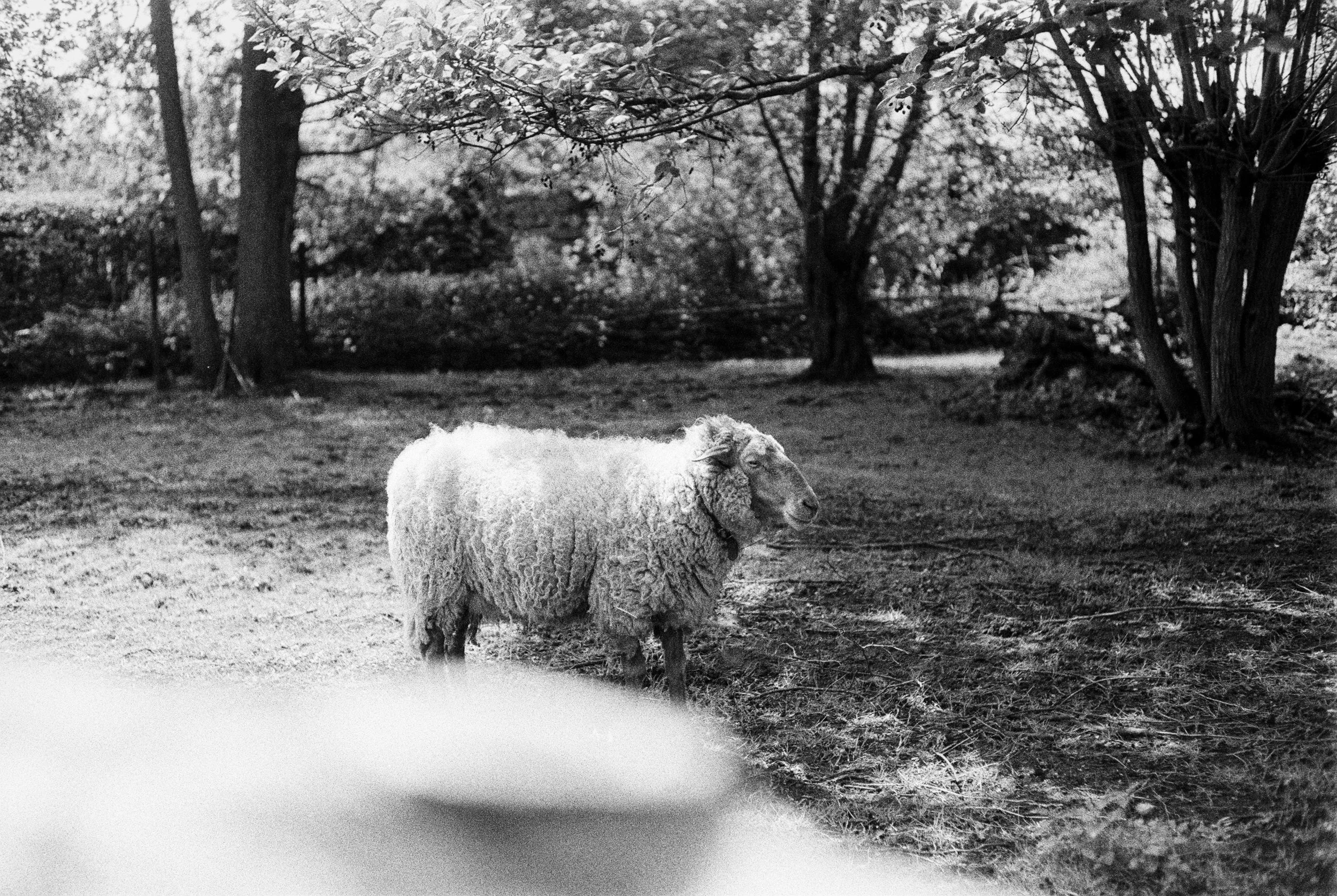
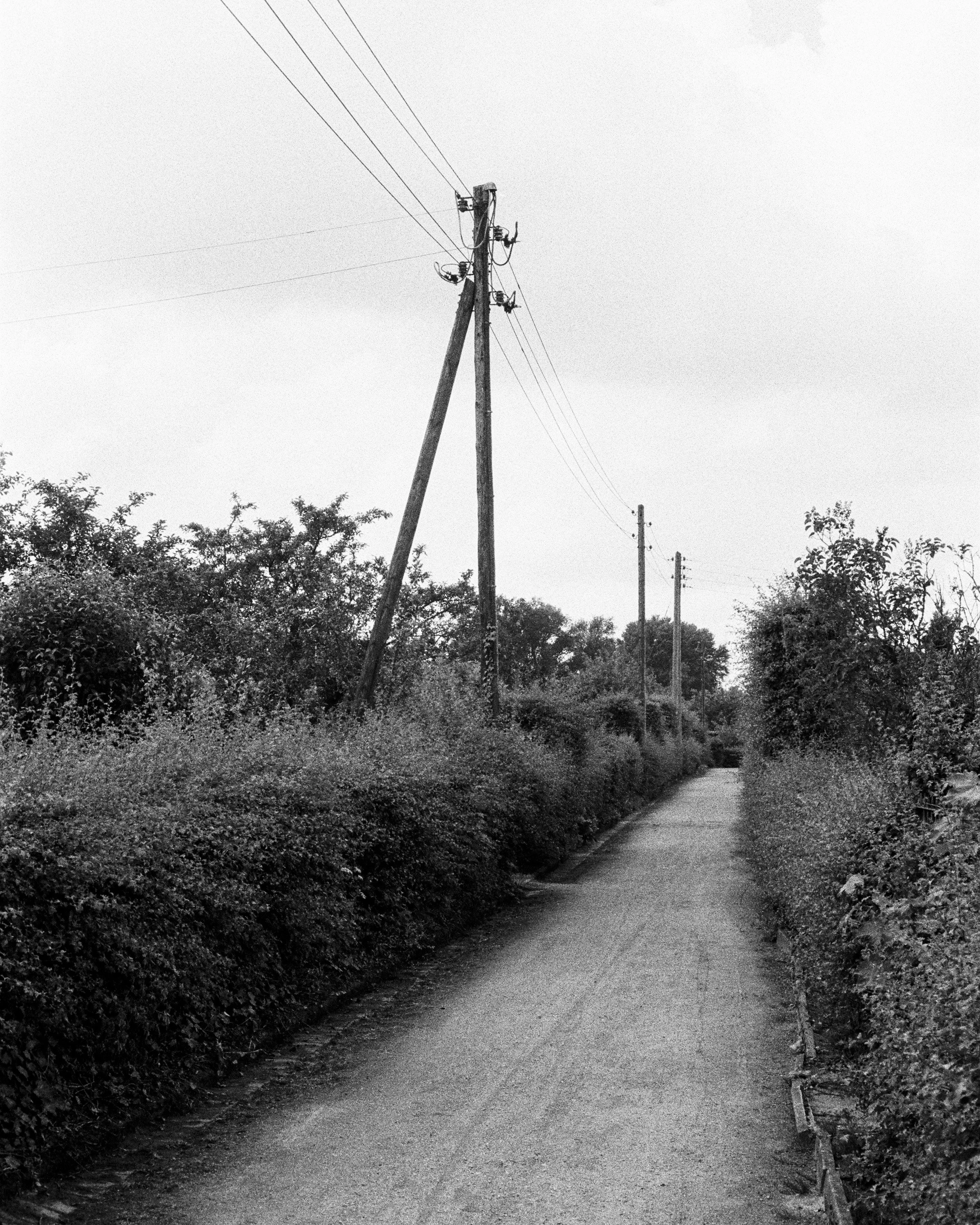
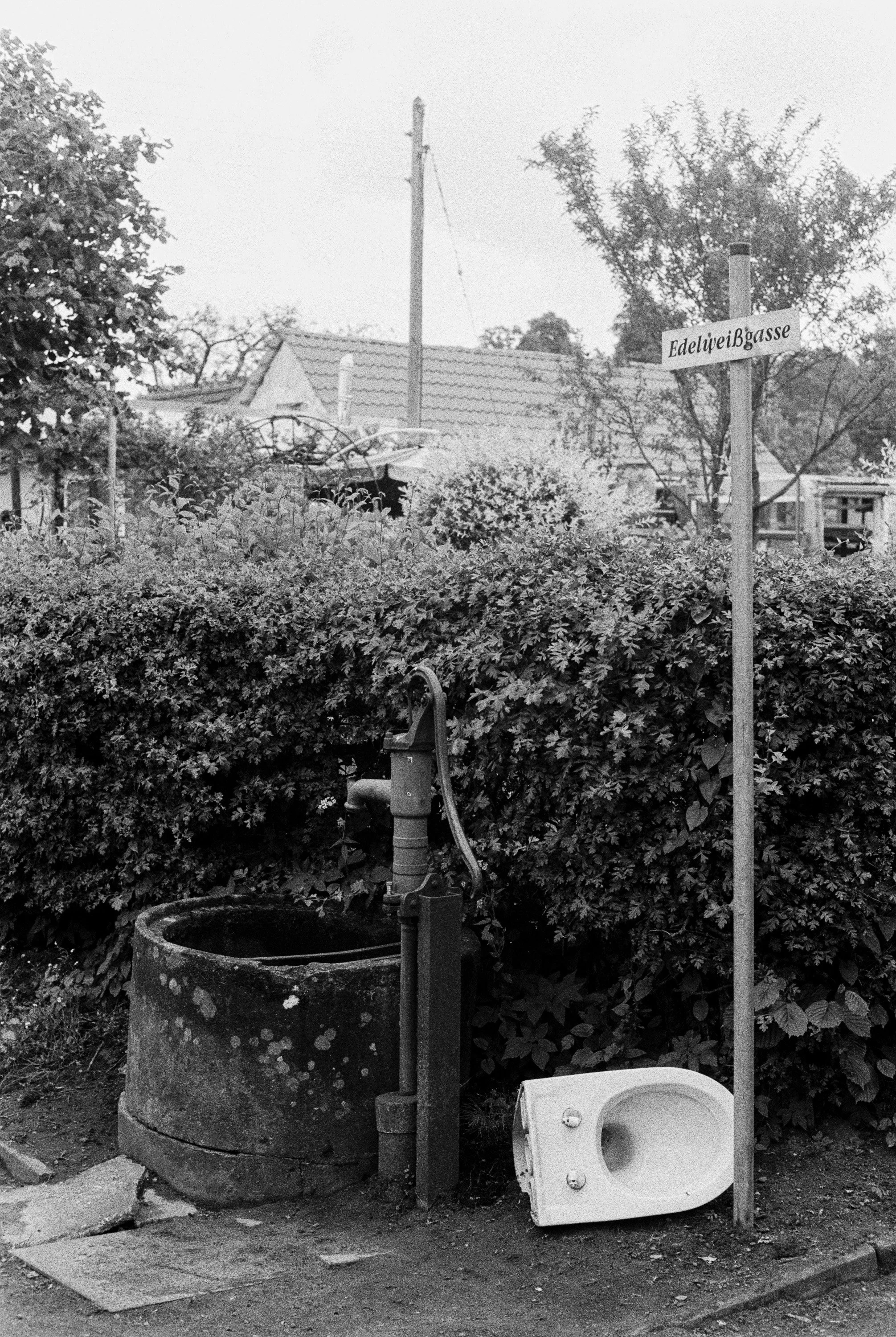
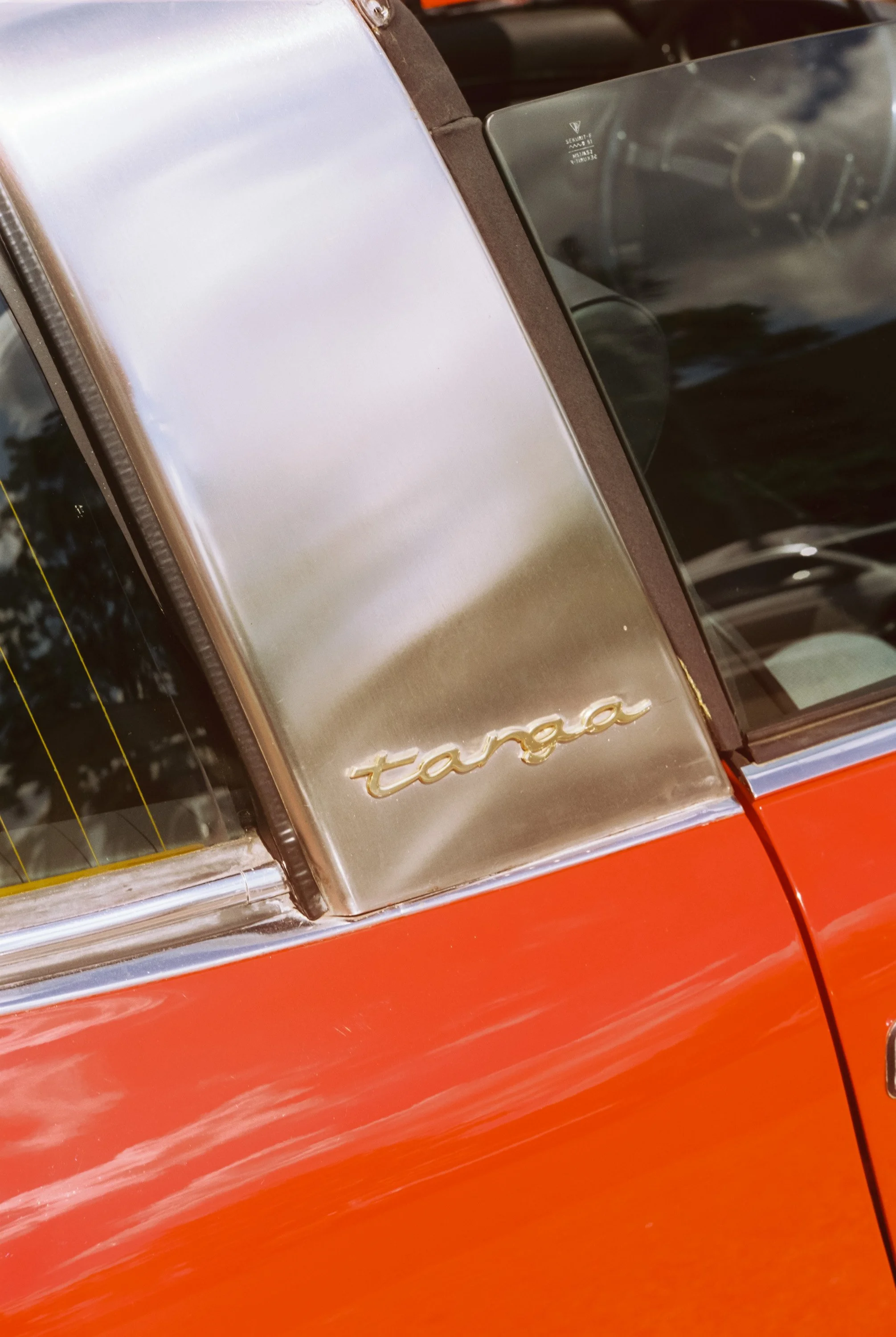
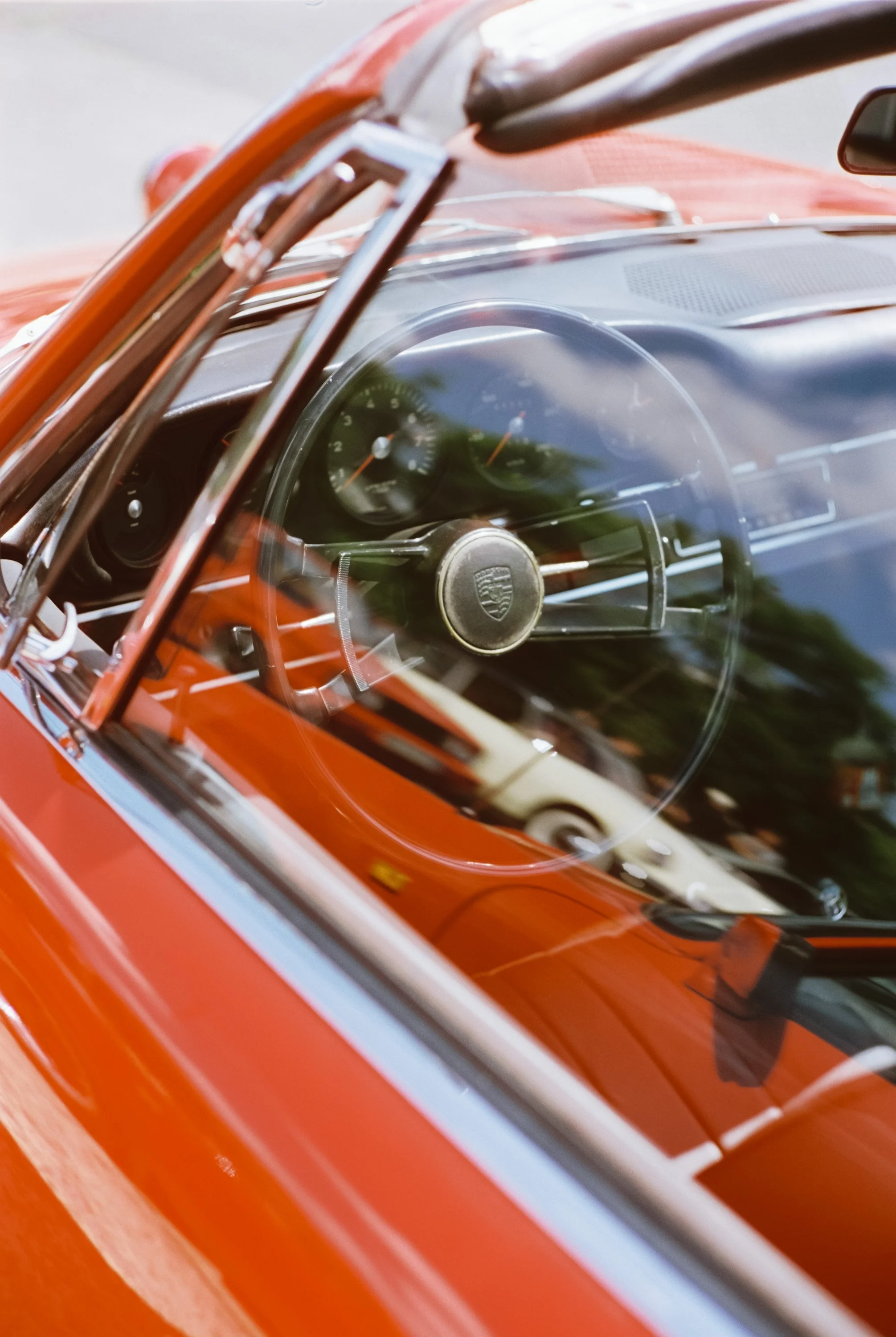
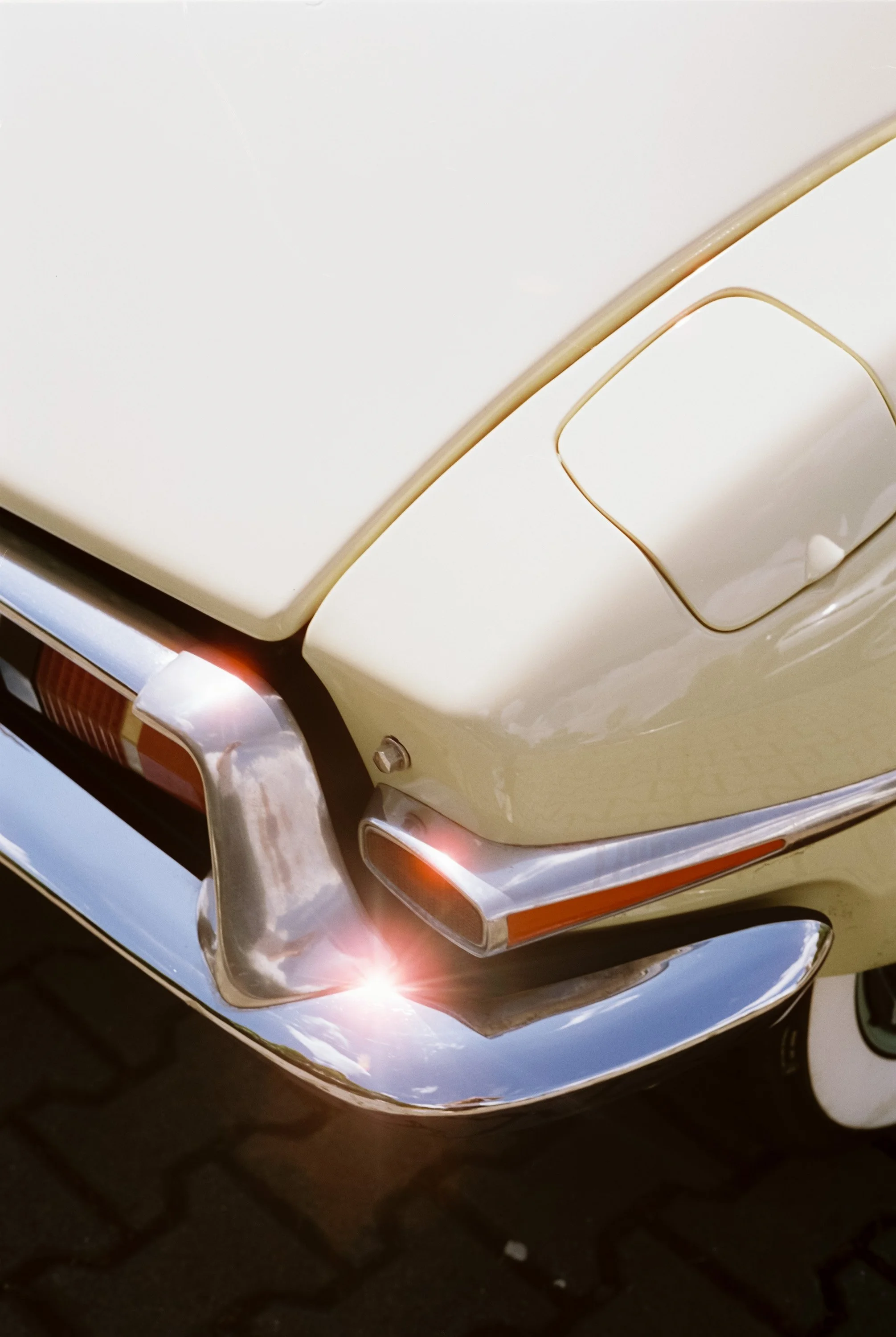
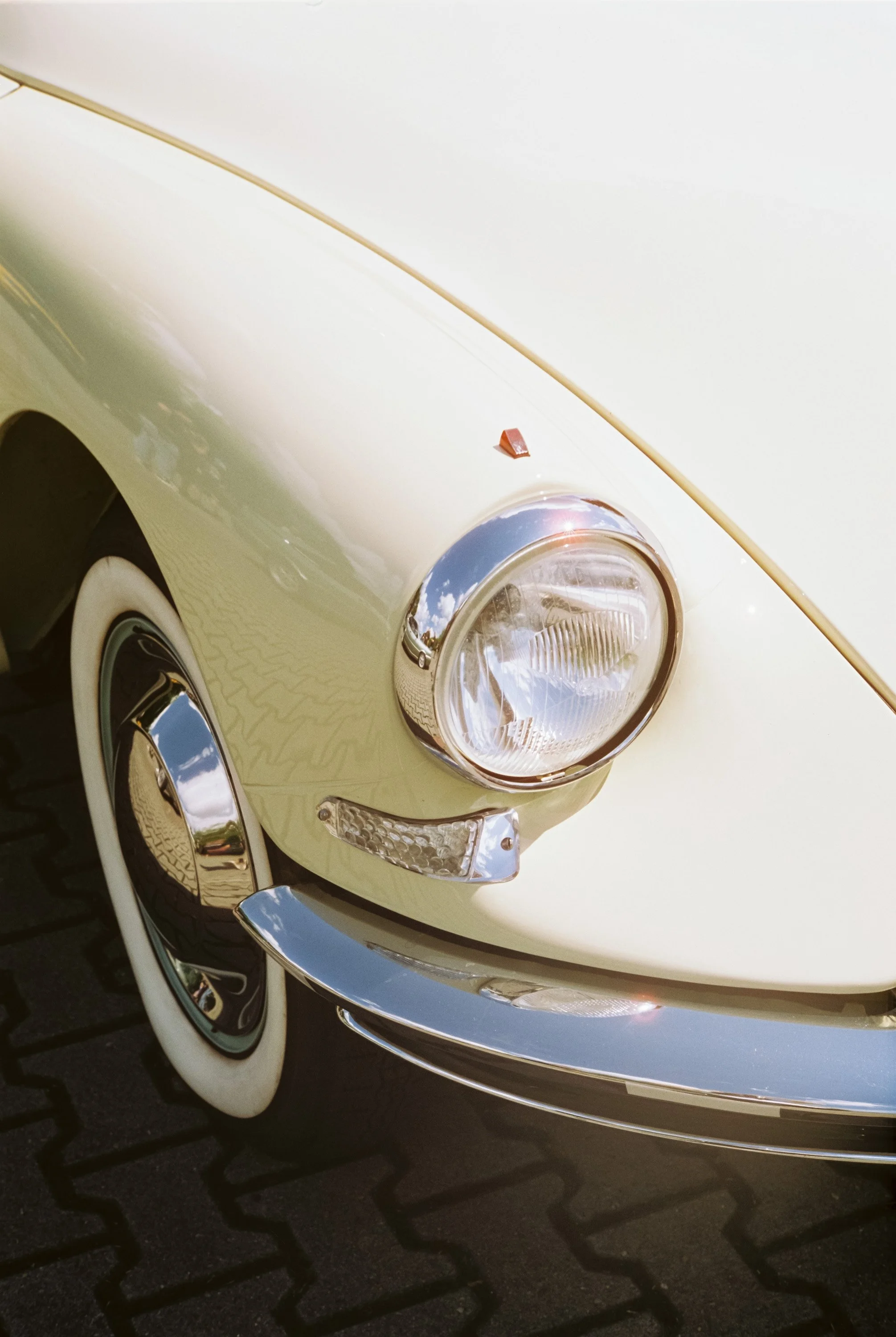
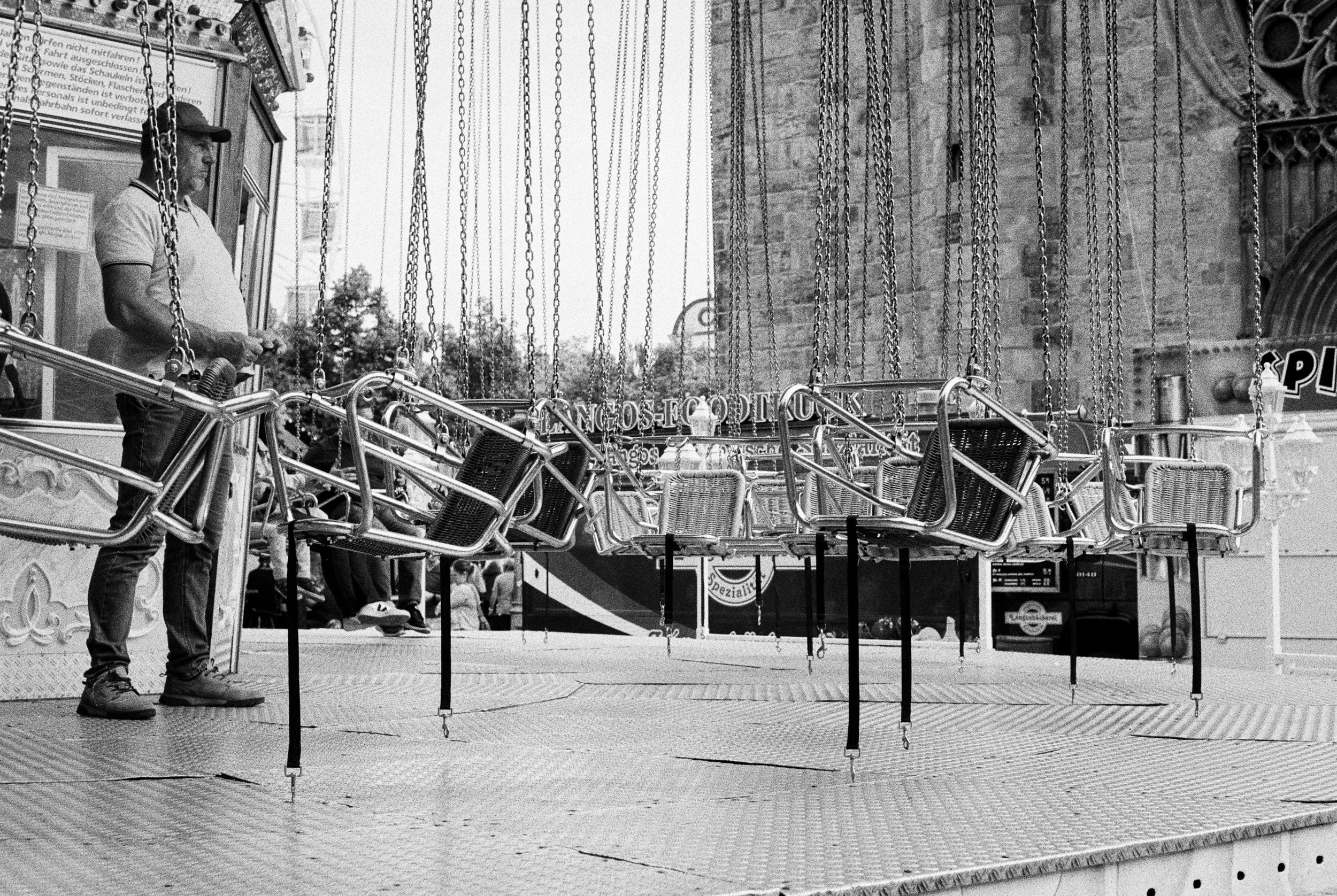
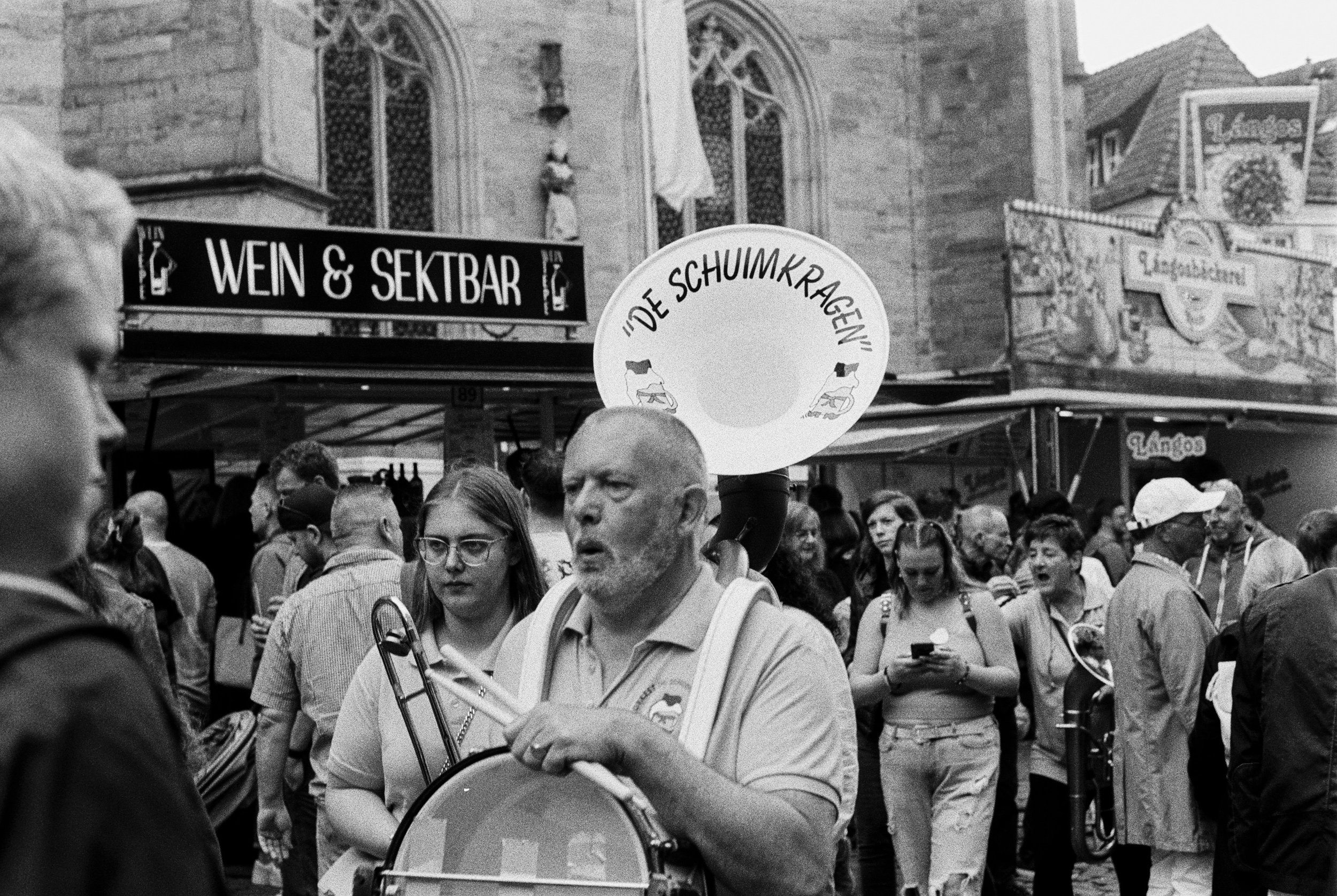
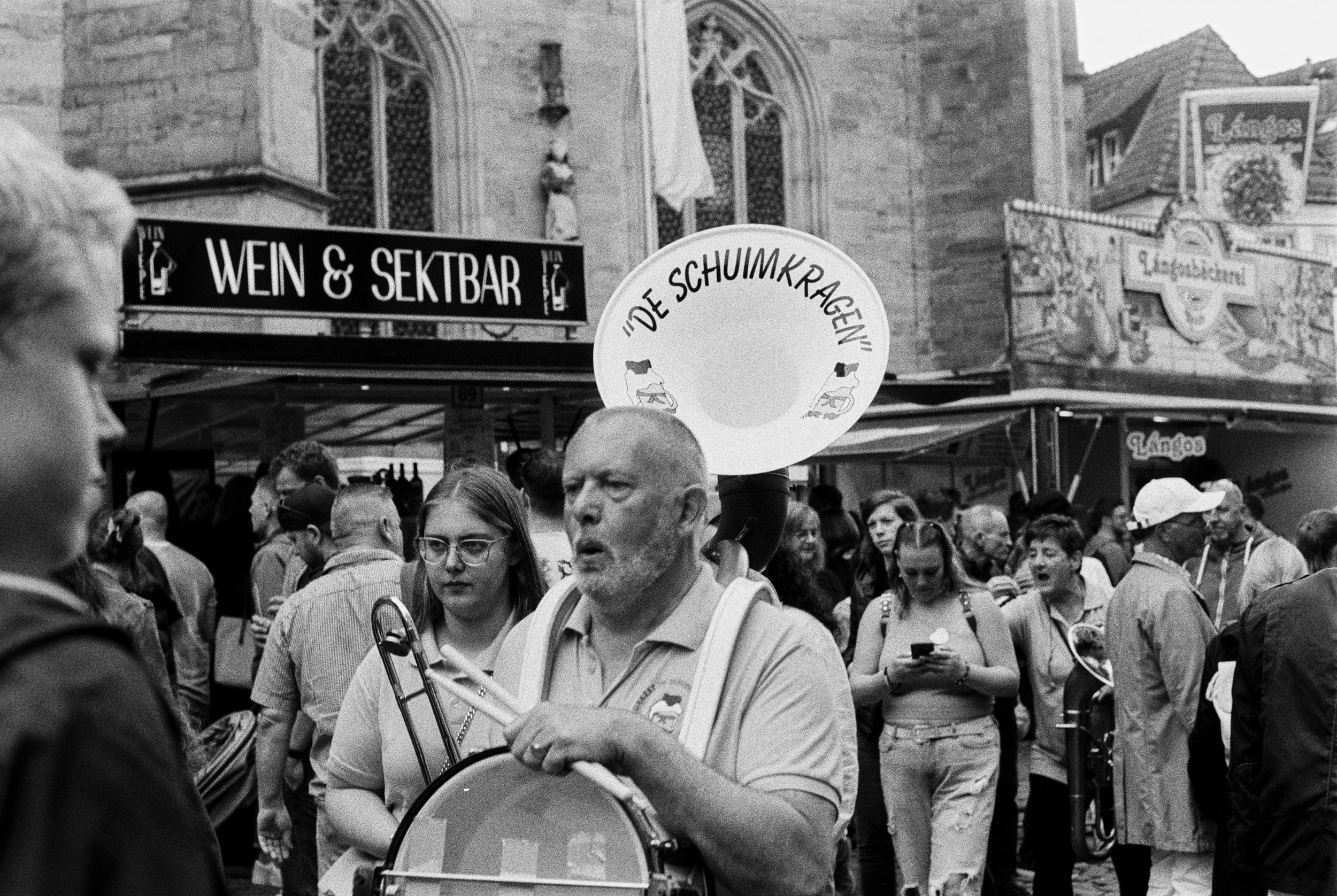
Canon P Sample Images








Enjoyed this? You might also like:
If you found this article helpful, check out my other deep dives into the world of expired emulsions and color recovery:
Rangefinder vs SLR – Canon P vs Nikon F: Two 1959 Classics Compared
Flash Photography with Film Cameras: Manual Flash, Auto Flash & Guide Numbers
Mamiya M645 Review (2026): The Best Entry into Medium Format?
Nikon F2 Review (2026): Is This the Best Mechanical 35mm Camera?
422 Meters of Frozen Gold: The Expired Ektachrome Heist Part I
422 Meters of Frozen Gold: The Expired Ektachrome Heist Part II
Embrace the Blues: Why Ektachrome shifts cooler and how to handle it
Minolta SR-101 (SRT 101) Review: The Ultimate Mechanical SLR in 2026?