
PX625 Battery Replacement Guide: 1.35V Alternatives for Vintage Canon, Nikon, Olympus & Minolta Cameras
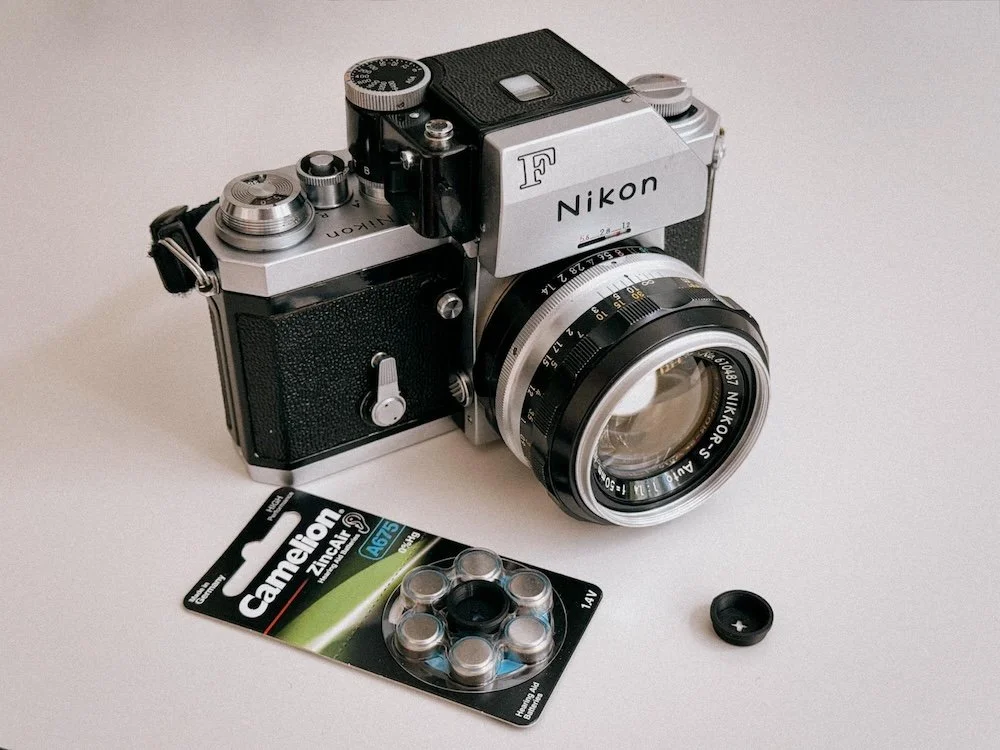
The PX625 mercury battery was the standard in countless film cameras from the 1960s through the 1980s. But with it long discontinued, film photographers are left without a proper solution. Are they?
Let’s face it: with WeinCell replacements for the discontinued PX625 battery costing around €10 per cell, keeping a collection of vintage cameras powered can get expensive pretty quickly.
Luckily, there is a cheaper option, especially if you own several cameras. Ausgeknipst offers a “PX625 MR9 Battery Adapter Set Universal for Analog Cameras” that allows you to use the cheap and widely available 675 battery instead. The adapter not only solves the size problem, but also provides the correct 1.35V voltage needed by many vintage camera light meters.
Disclaimer: Ausgeknipst contacted me and provided the adapter set free of charge so I could try it out myself. I have not been paid for this review, and the opinions below are my own.
Why PX625 Batteries Are Still a Problem
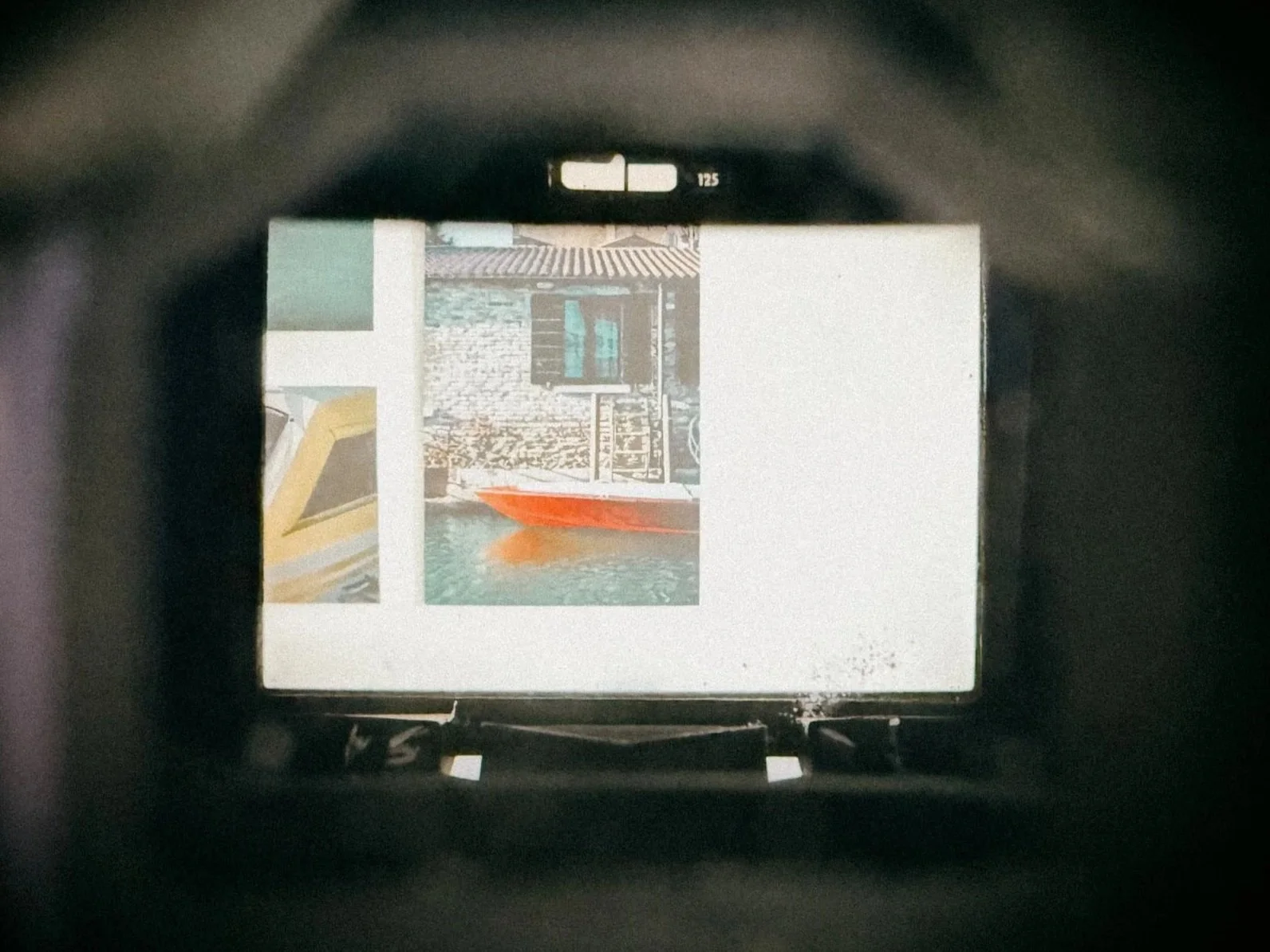
The Lightmeter of the Nikon F
PX625 mercury batteries are a thing of the past. Not only were they toxic and terrible for the environment, leading to their global ban, but finding original stock today is virtually impossible. Yet, they possessed one critical advantage: voltage stability.
Unlike modern alkaline cells, PX625 mercury batteries delivered a solid 1.35V output until the moment they died. Vintage cameras relied on this flat discharge curve because their built-in light meters lacked internal voltage regulators. If the voltage fluctuates, your light meter readings drift along with it, leading to inaccurate exposures.
Because dozens of iconic analog cameras were engineered around this exact battery, finding a reliable, steady 1.35V alternative isn't just a minor convenience, it’s essential for keeping these classic cameras alive.
Options: WeinCELLs and why 1.5V Alkaline Batteries Ruin Your Exposure
Simply replacing the PX625 with Alkaline batteries doesn't work. First of all, they don't have the right voltage output with their 1.5 volts. This may not sound like much, but it is. It will lead to underexposure, on some cameras even up to 2 stops (according to the research of Ausgeknipst). But not just that: their discharge fluctuates so much that a reliable reading is simply not possible. So this is not an option.
Here is what “Ausgekipst” has to say about it:
“Why not just insert an LR44?”
“You can – but not without consequences. A 1.5V alkaline battery in a CdS meter calibrated for 1.35V results in systematic underexposure. With some cameras, by up to 2 stops. In addition, alkaline voltage varies significantly over its service life (1.6V when fresh, 1.2V when empty). This makes metering results unpredictable. Silver oxide (SR44, 1.55V) is more voltage-stable, but is equally too high. Zinc-air, by contrast, has a flat discharge curve like the original mercury cell – with no drift over its service life. The zinc-air adapter is the only passive solution that provides the correct voltage.”
What about WeinCELLs? Well, those are zinc-air batteries (just like 675 batteries used for hearing aids) that supply a very stable output of 1.35 volts in the correct sized housing. The main issue? The price and the lack of availability. You simply can't walk into a grocery store and purchase them along with a six-pack of beer.
And being German, that’s a big no-no for me.
The Solution: How the Ausgeknipst MR9 Adapter Works
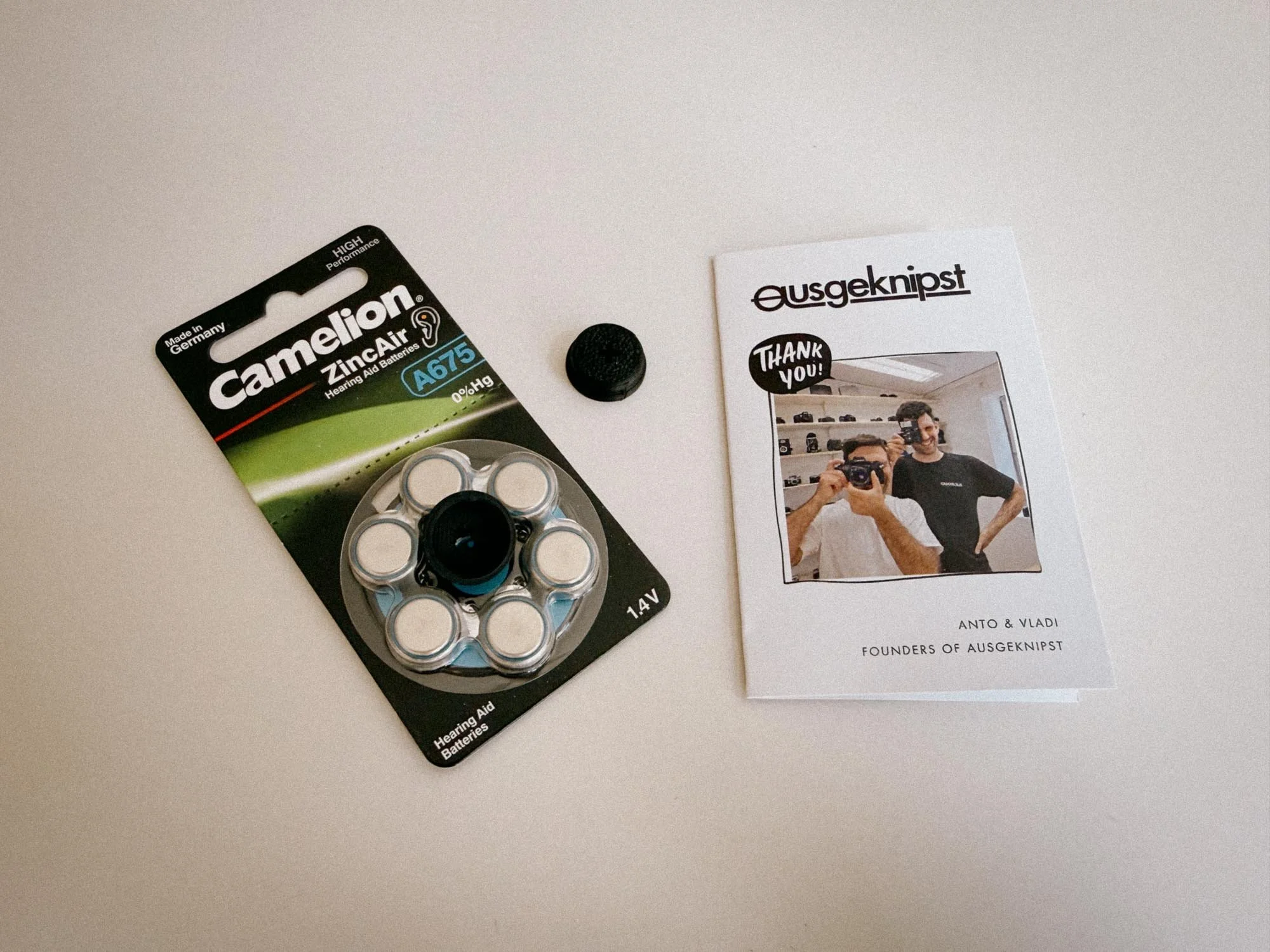
The Ausgeknipst Adapter
The clever heads at Ausgeknipst did some serious research and discovered that 675 Zinc-Air hearing aid batteries have extremely similar properties to the original PX625. They offer almost the exact same voltage: 1.4V, averaging out at ~1.35V under the minimal load of a CdS light meter, a flat discharge curve with close to no drift, and a battery life of around 3 months.
The best part? A pack of six 675 batteries will only cost you around €3.
The only downside is that a 675 cell is simply too small compared to the original PX625. So what did they do? They manufactured an adapter out of conductive plastic, which guarantees solid electrical contact regardless of the physical geometry of your camera's battery compartment. Sounds too good to be true, right?
They sell it in a ready-to-use kit consisting of 2 adapters + 6 batteries in the standard set. All you have to do is unpack, insert, and go shoot your gas station bangers. No additional purchases required.
Test: Nikon F Photomic & Minolta SR 101
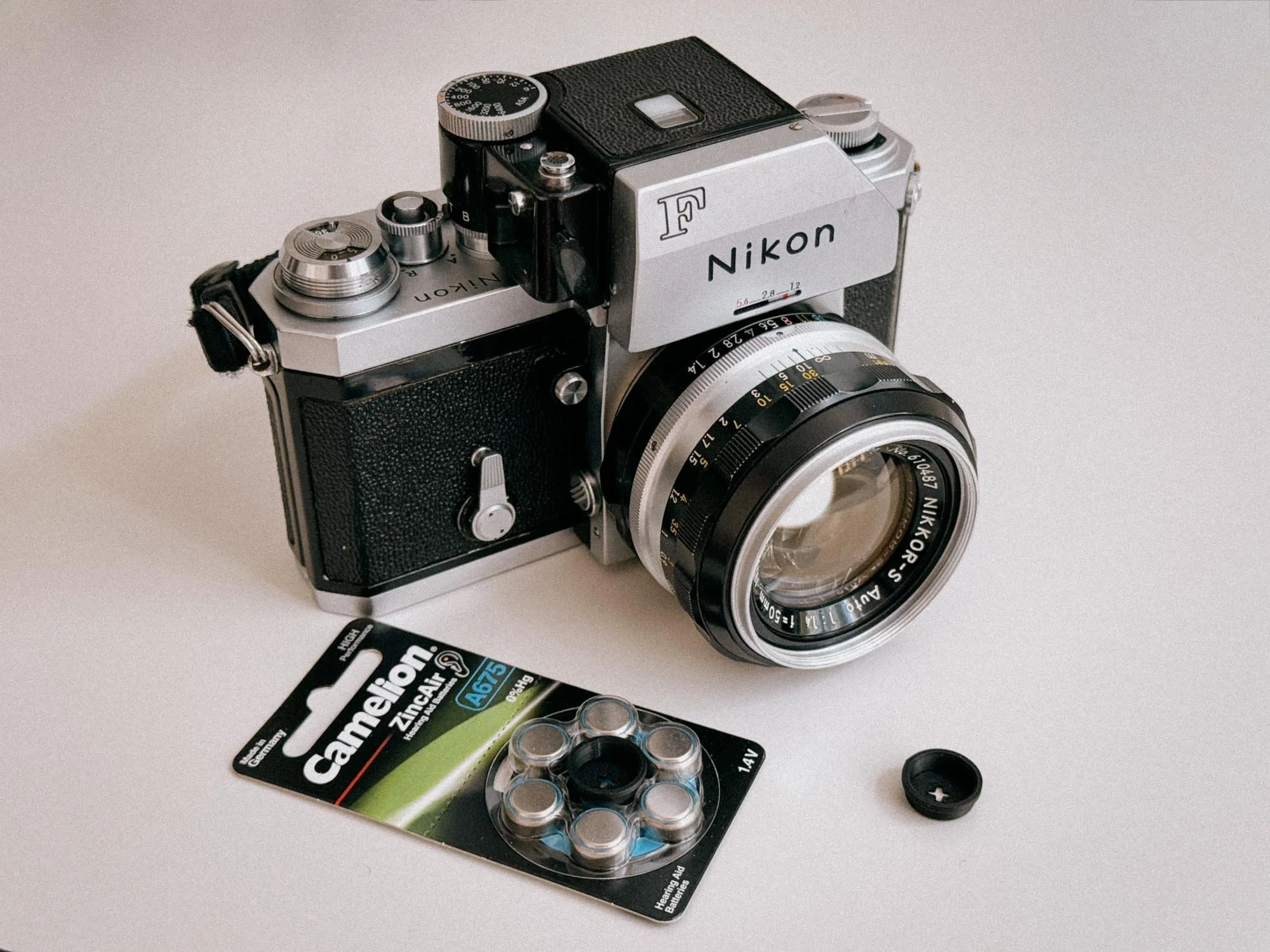
Ready For The Surgery
Since I’ve been struggling to keep the light meters powered in my own gear, I was super eager to test this adapter on my Nikon F (which I’ve reviewed in detail here) as well as my wife’s Minolta SR-101, the Japanese domestic version of the SR-T 101, which I’ve also covered on the blog.
When the package arrived, I was in for a treat. Not only did the packaging look great, but alongside the six batteries and two adapters, there was also a nice thank-you card from the founders of “Ausgeknipst”. On top of that, the card included a 15% voucher for future orders and a neat hot shoe cover. Nice!
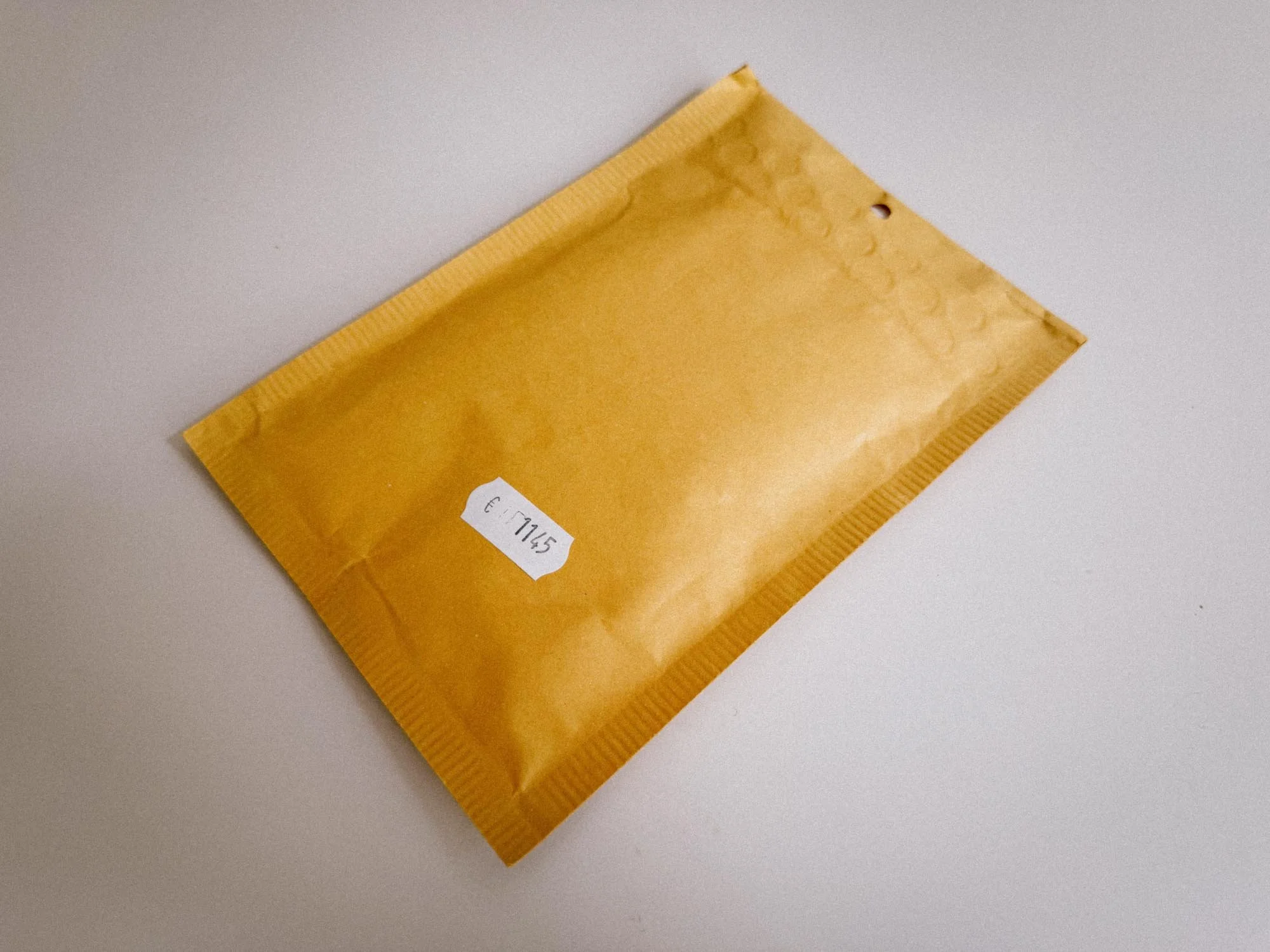
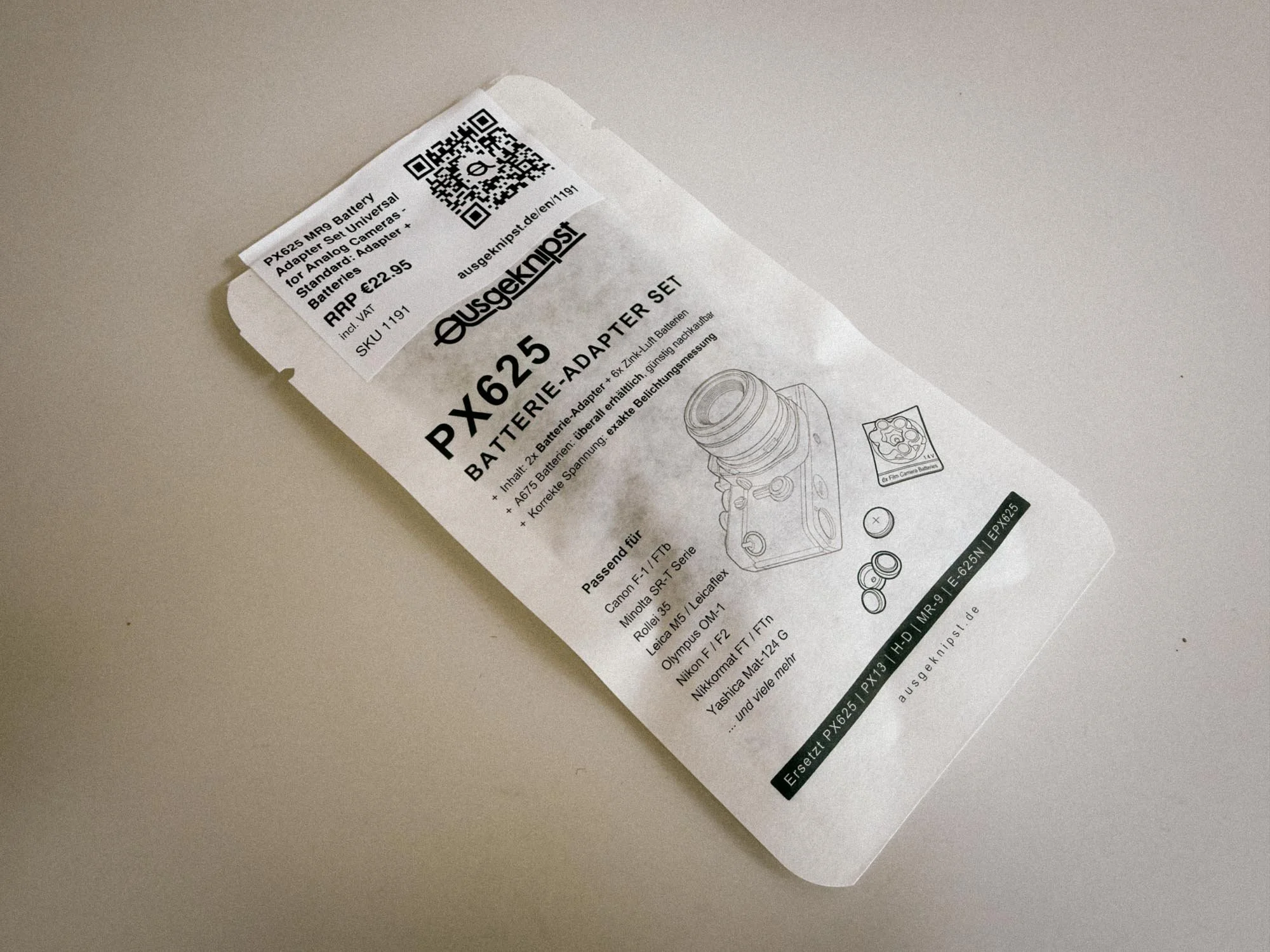
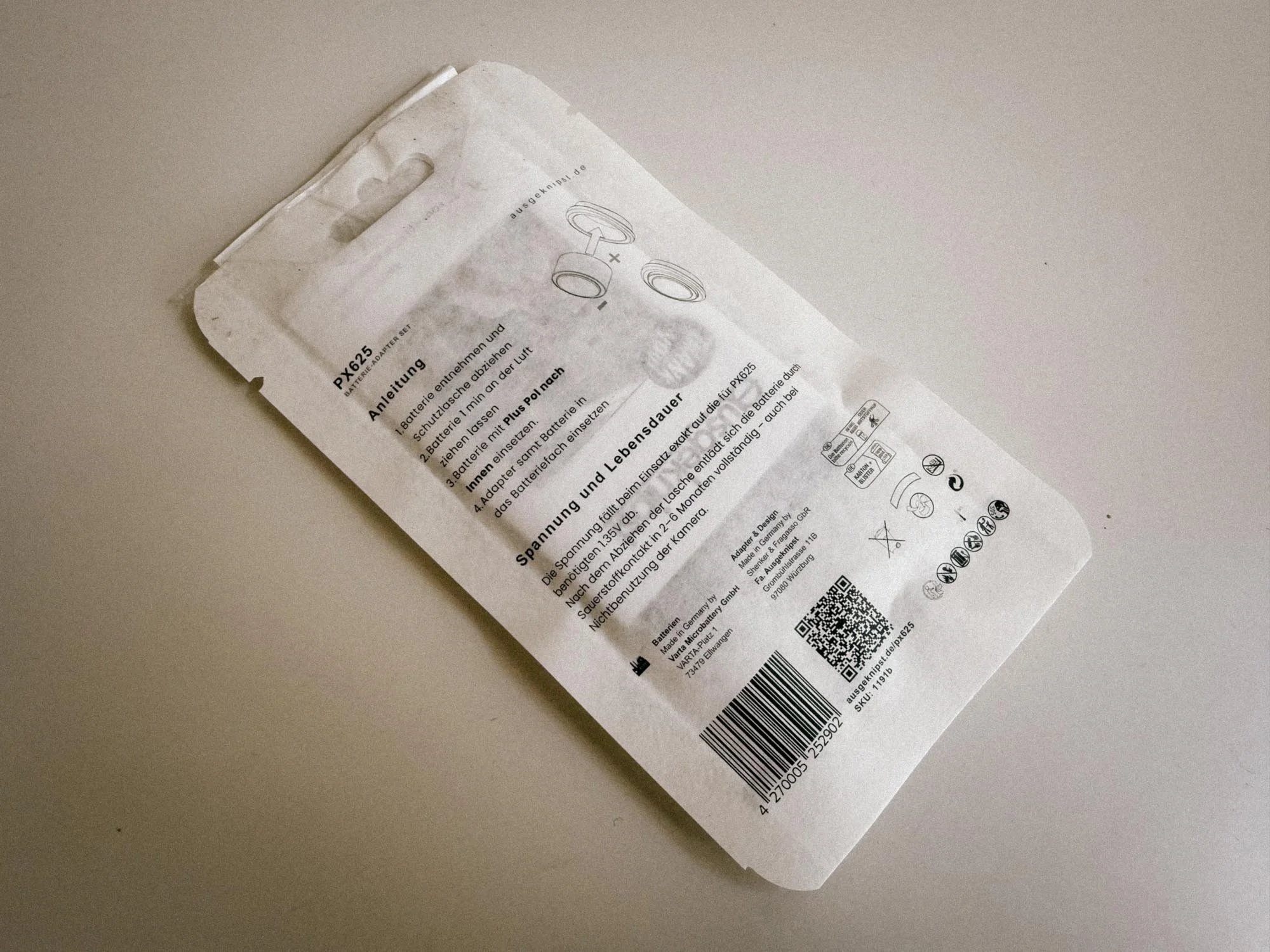
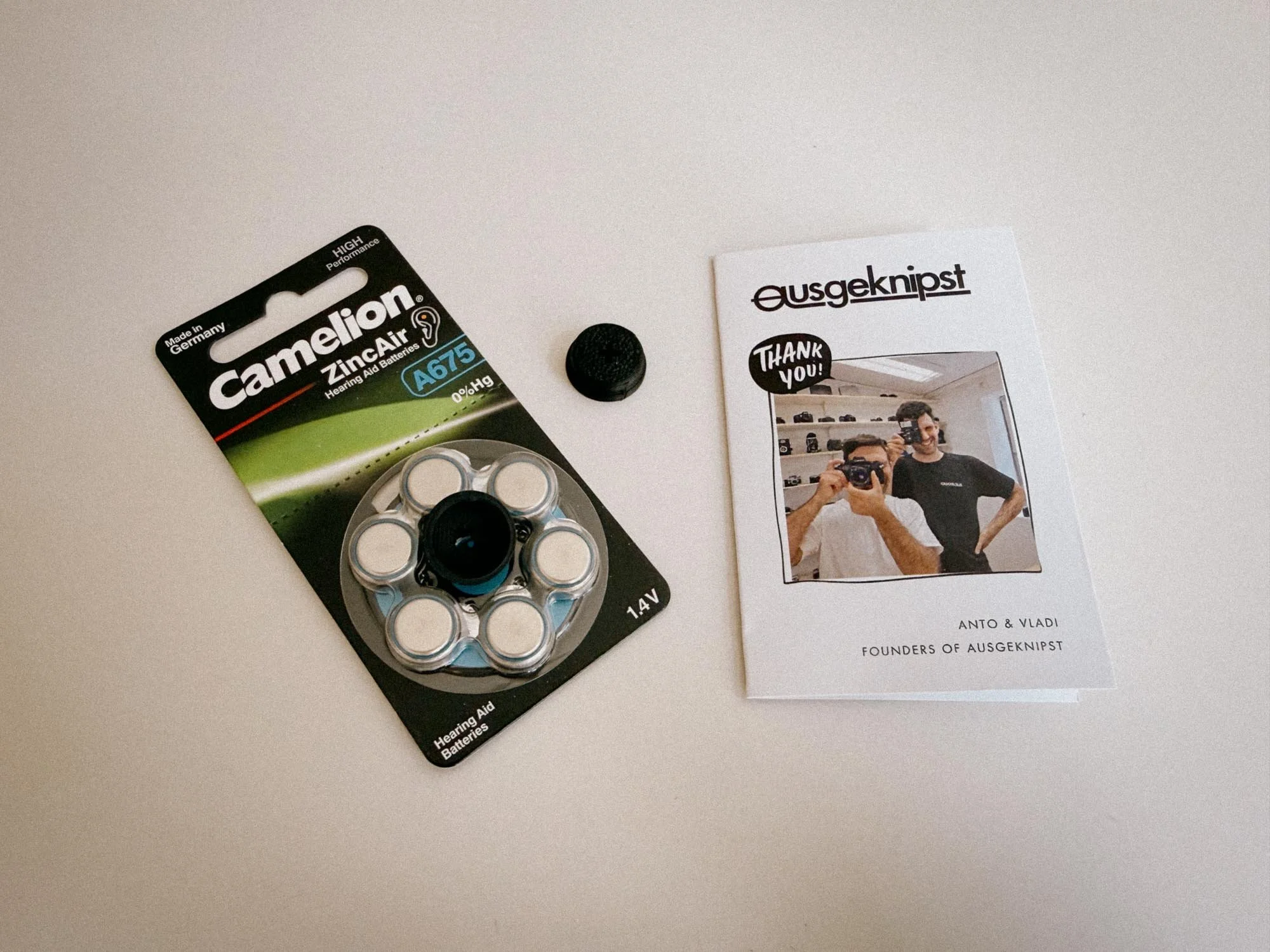
Loading the adapters is very simple: remove the protective film from the batteries, wait 2 minutes for the Zinc-Air chemistry to activate, and put them into the adapters with the negative side facing outwards. Now they’re ready for your camera.
Nikon F Photomic FTN vs. External Meter
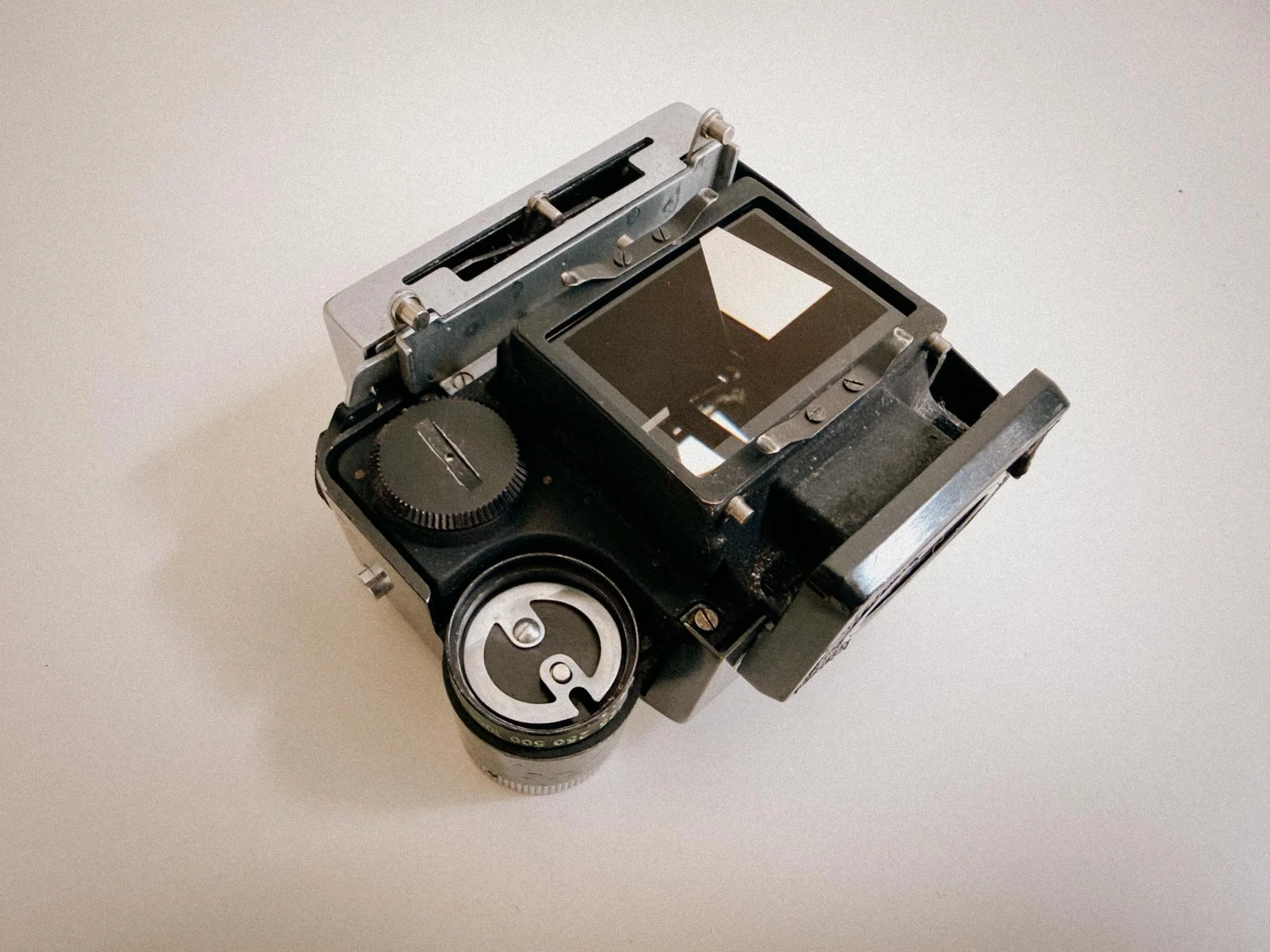
Nikon F Photomic Head Underside
The original Nikon F is a fully mechanical camera that came with an unmetered eyelevel prism. The later Photomic versions integrated a light meter directly into the finder, which is why the battery compartment is hidden inside the prism itself, giving it that bulky look.
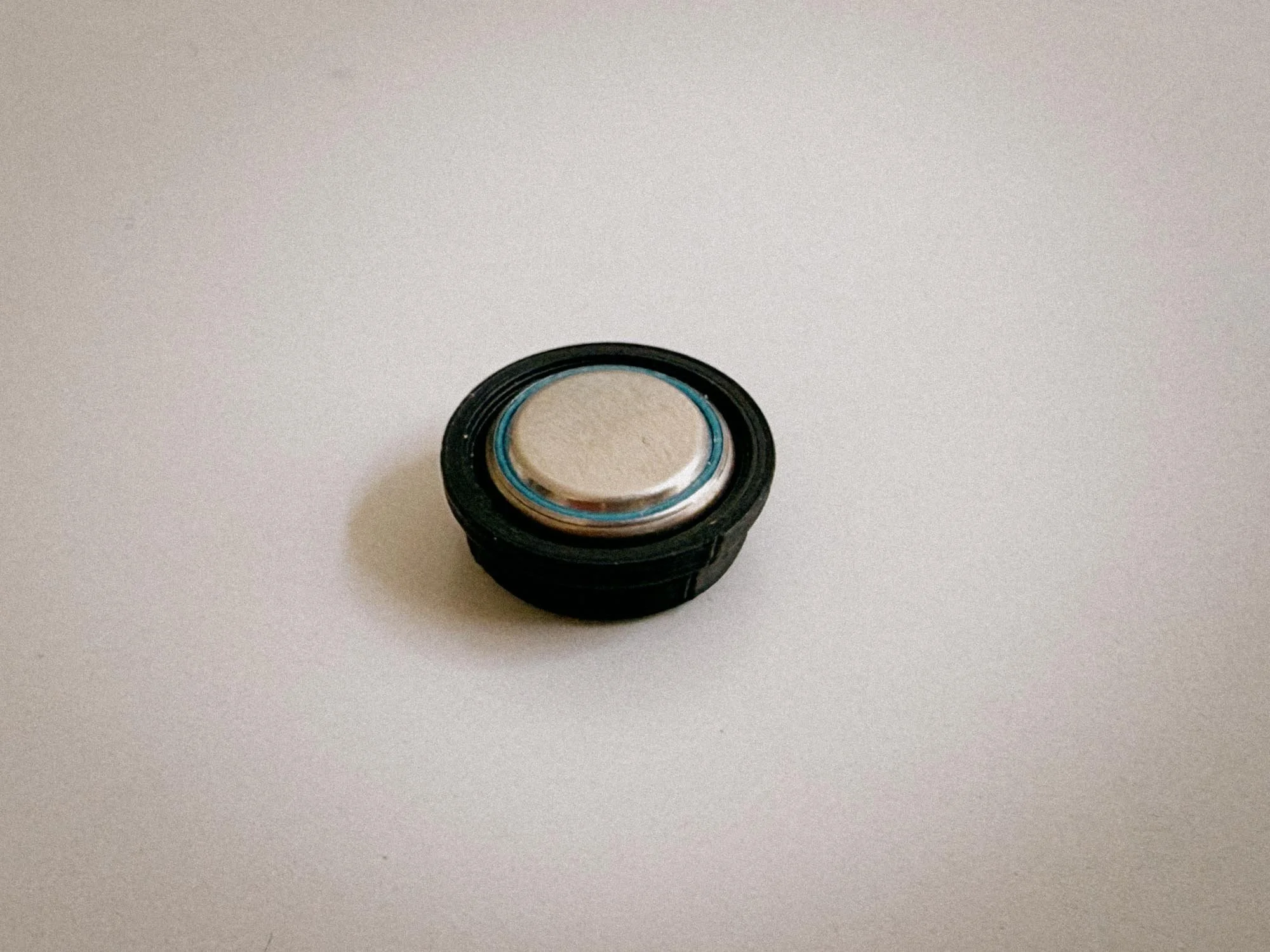
The Adapter assambled
After loading two fresh 675 cells into the adapters, I detached the prism from the body and removed the old WeinCELLs I had installed. The Nikon’s battery cavity has a side prong, so you have to be slightly mindful when sliding the first adapter in. The second one goes right on top. Screw the battery cover back on, and you’re good to go. (Just make sure to insert them with the correct polarity, or the meter won't turn on!)
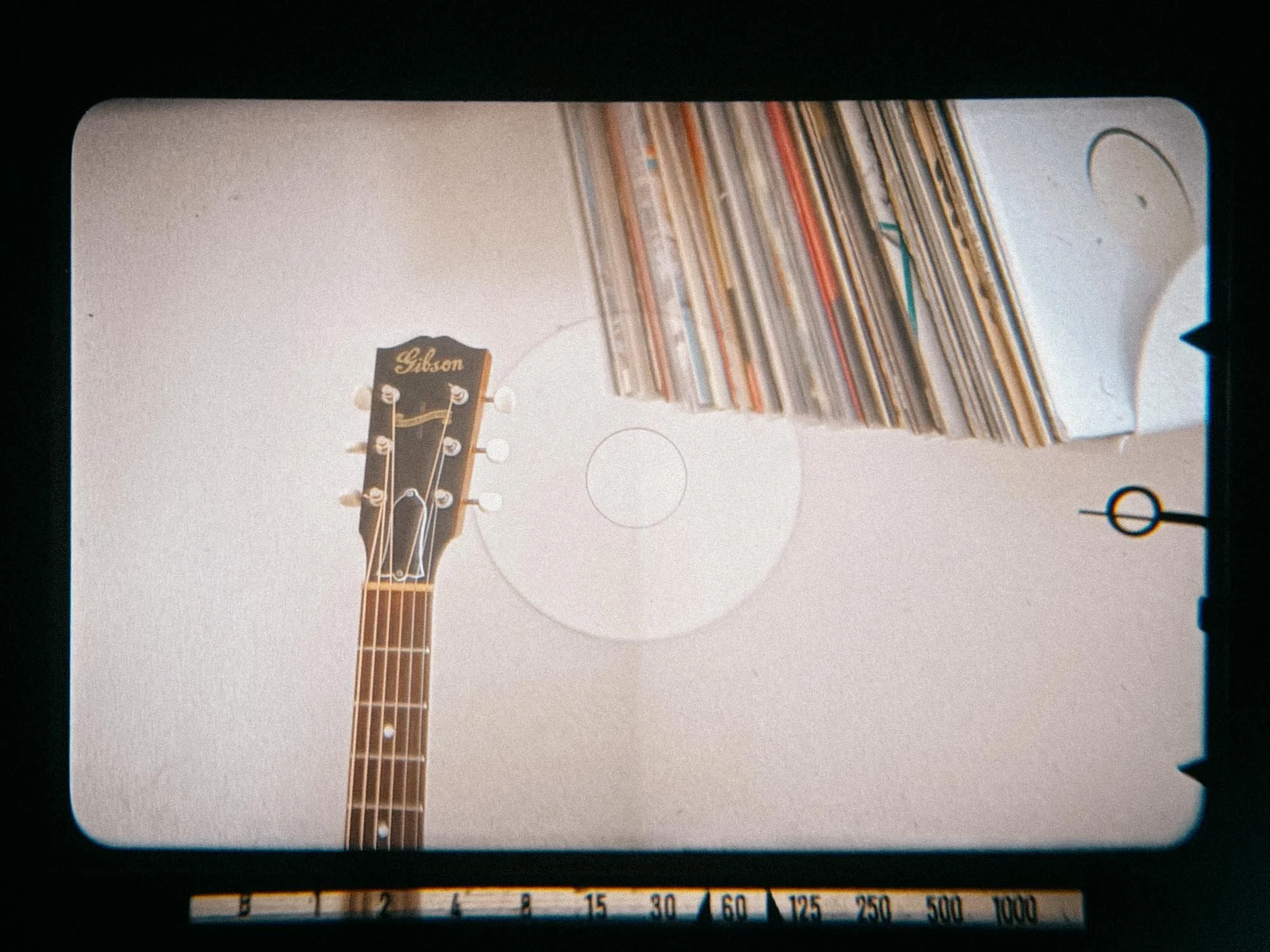
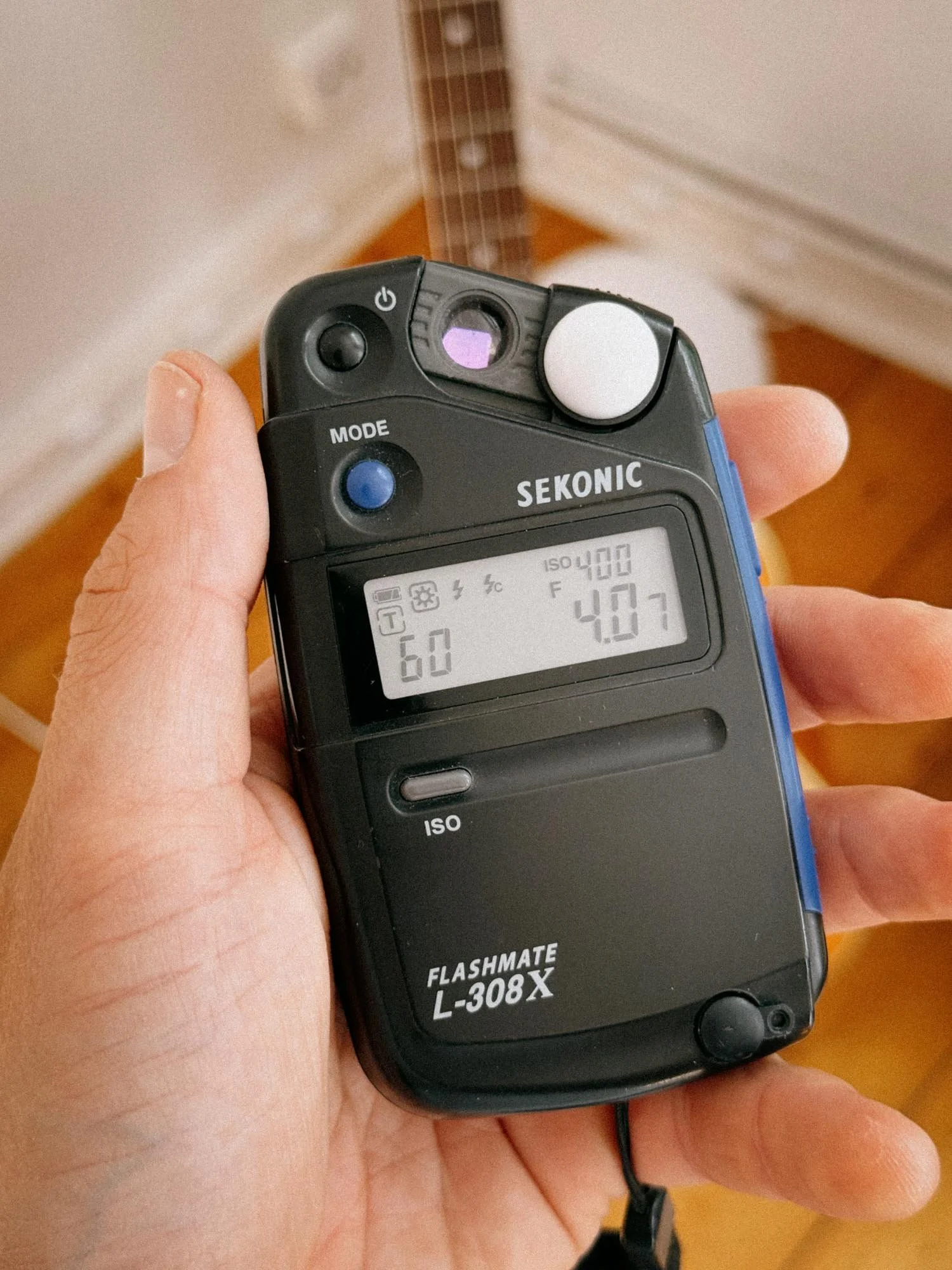
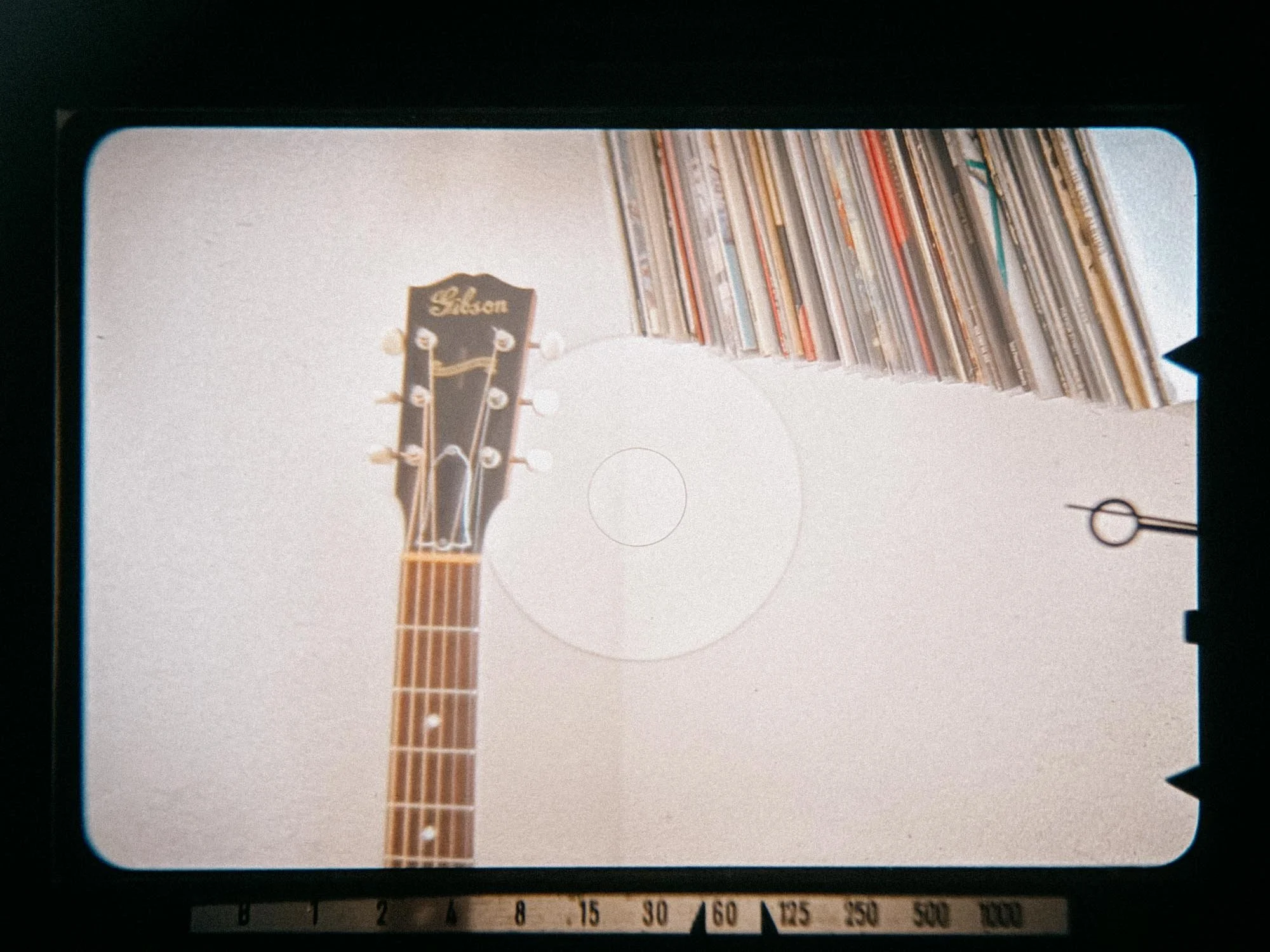
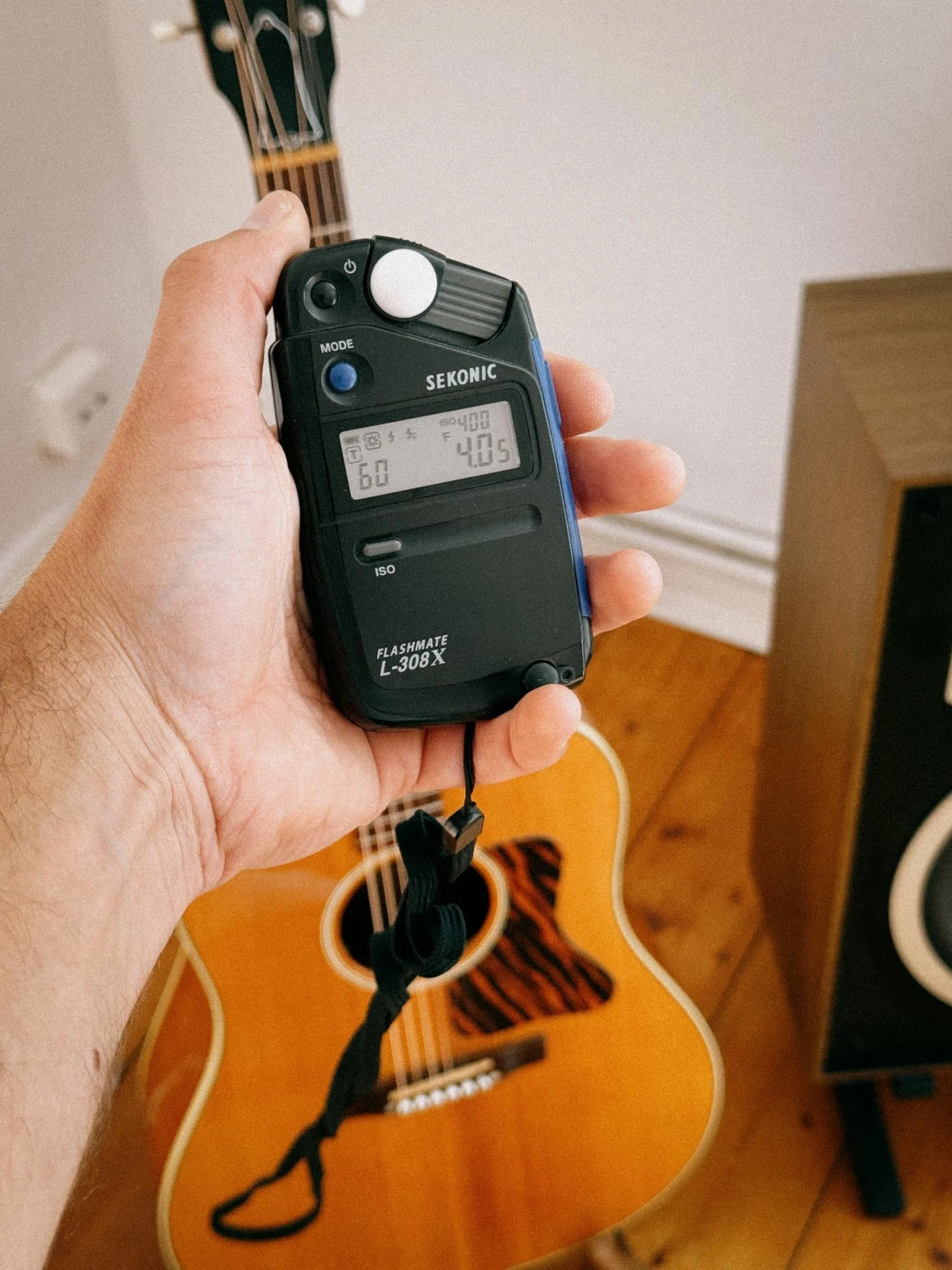
I tested the camera’s meter reading against both reflective and incident readings taken with my trusty Sekonic L-308X. The result? Practically identical. Both the Sekonic and the Nikon F’s meter gave me an exposure of 1/60s at f/4.5 with the ISO set to 400.
Minolta SR-101
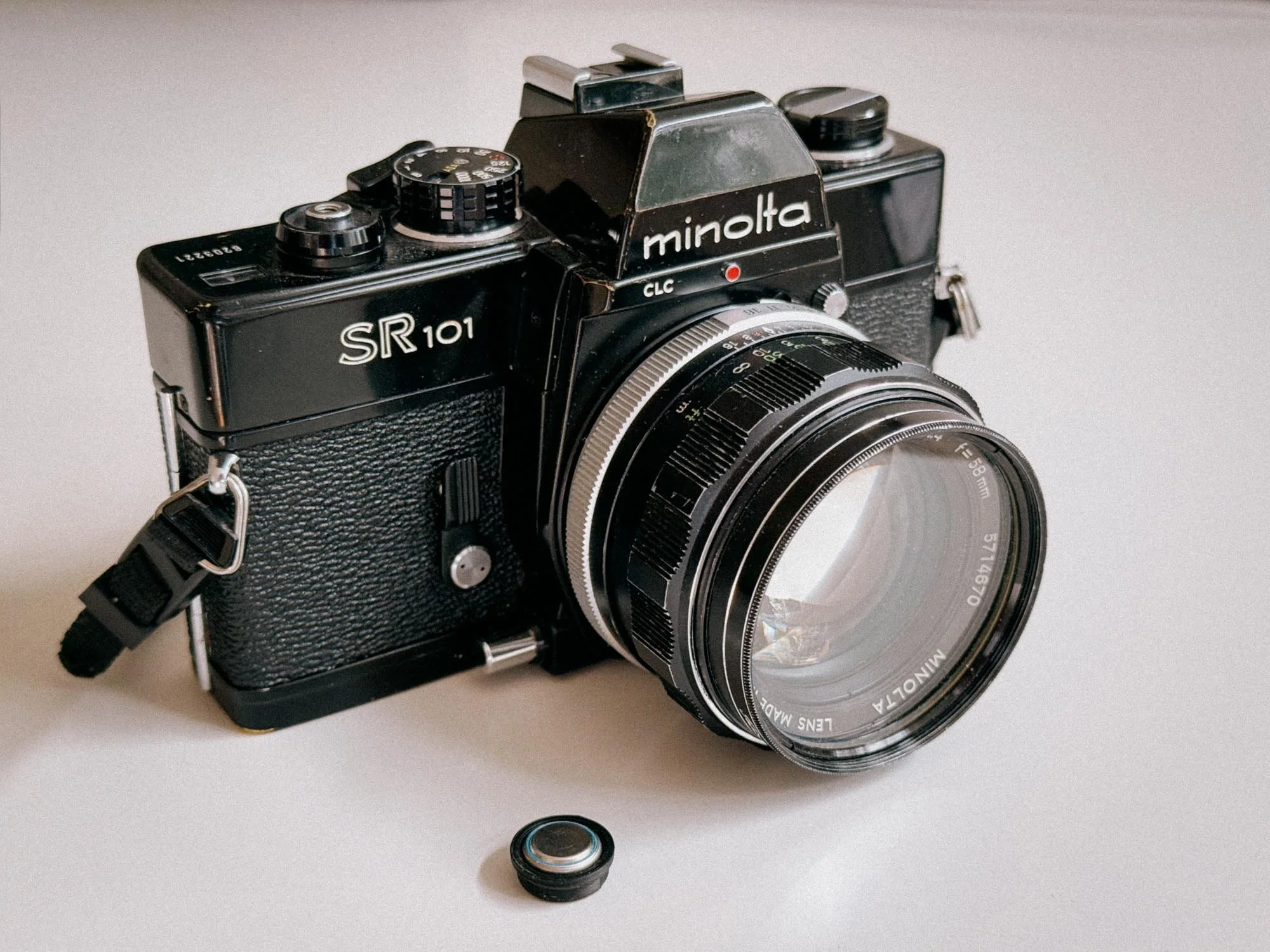
Minolta SR 101 Plus Adapter
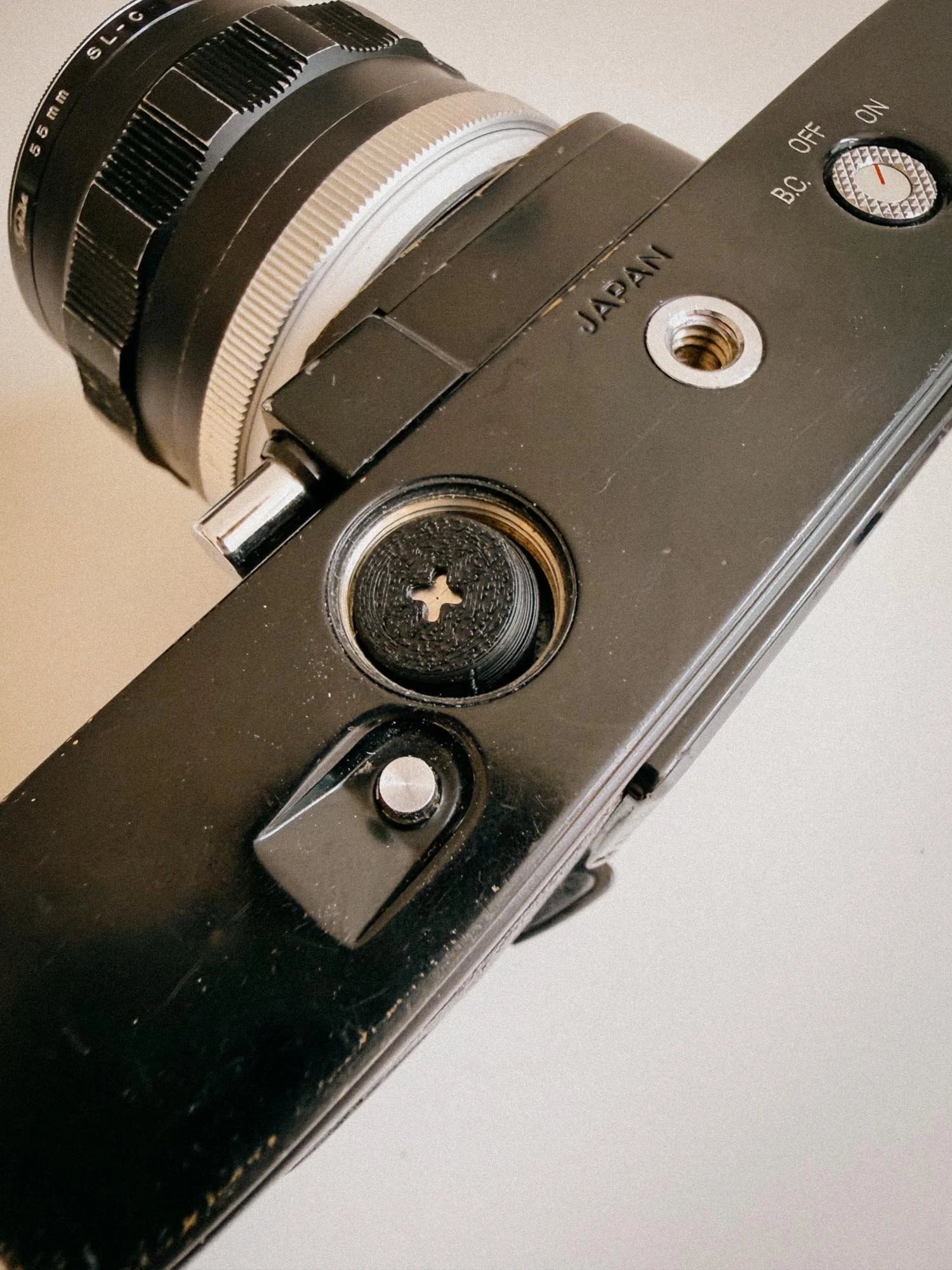
Bottom Minolta SR 101
Swapping the battery on the Minolta SR-101 is even easier since the cavity is accessible right on the bottom plate.
With the Minolta, I went one step further and did a three-way comparison: the old WeinCELL against the Ausgeknipst adapter and the Sekonic meter. The result? All three measurements gave me virtually identical exposures: 1/60s at f/4.5 at ISO 400. The Sekonic showed a tiny variance of 0.2 stops between incident and reflective readings, but that's completely negligible for film latitude.
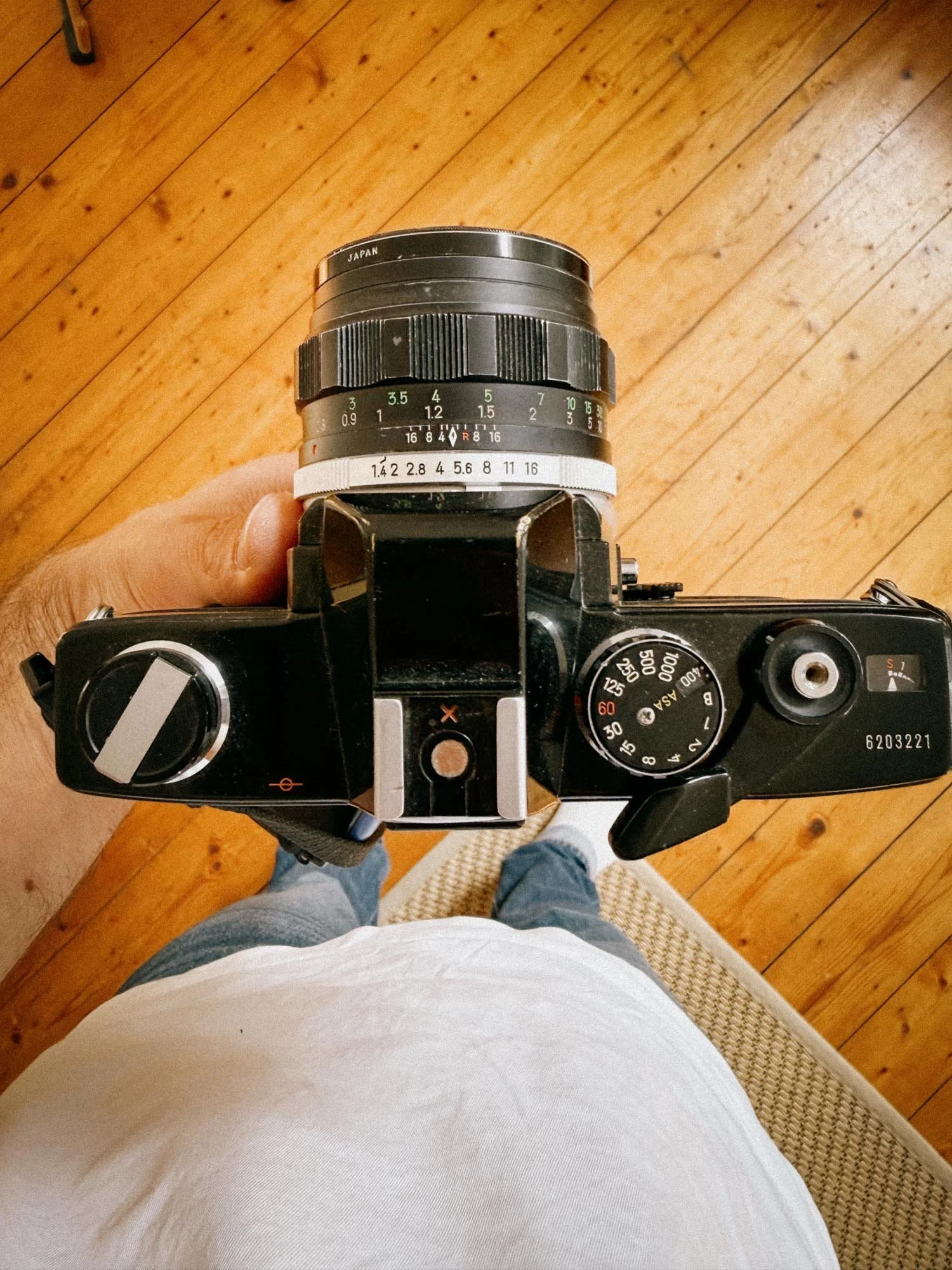
Compatible Cameras (Olympus OM-1, Leica CL, Canon FTb & More)
The list of cameras using the original PX625 mercury battery is massive, so listing every single camera would fill a small textbook. However, here are the most iconic and common models that work seamlessly with the Ausgeknipst adapter:
Olympus: OM-1, OM-1N, 35 RC, 35 RD, 35 SP
Leica: CL, M5
Rollei: 35, 35S, 35T
Canon: FTb, F-1 (original), Canonet QL17 GIII, EF
Minolta: SR-T series (101, 201, 303), SR-101
Nikon: Photomic finders for Nikon F (FT, FTN)
Nikkormat: FT, FTN
Yashica: Mat-124G
If your camera isn't on this list, you can check the complete compatibility list on Ausgeknipst’s shop hereto double-check if your model relies on the PX625 before ordering.
Final Verdict: Is the Ausgeknipst Adapter Worth It?
To put it simply: yes, absolutely. As long as your camera’s light meter is properly calibrated, you’ll get correct readings with the Ausgeknipst adapters.
The ability to walk into practically any local grocery store or pharmacy and pick up cheap backup batteries on the fly makes this a worthy upgrade. No more ordering expensive specialty cells online and waiting days for them to arrive.
Now, all that’s left to do is put some more film through these cameras and see just how long these batteries actually last.
Enjoyed this? You might also like:
If you found this article helpful, check out my other deep dives into the world of expired emulsions and color recovery:
Forget the Mju-II: Why the Olympus AF-1 is the Best Point & Shoot Under $100
How to Edit Expired Slide Film: A Technical Guide to Rescuing E-6 (Ektachrome 64T)
Nikon F Review (2026): Shooting the Indestructible 35mm Legend
FPP Retrochrome 400 Review: Shooting High-Speed Surplus Slide Film
422 Meters of Frozen Gold: The Expired Ektachrome Heist Part I
422 Meters of Frozen Gold: The Expired Ektachrome Heist Part II
Embrace the Blues: Why Ektachrome shifts cooler and how to handle it
Minolta SR-101 (SRT 101) Review: The Ultimate Mechanical SLR in 2026?