Forget the Mju-II: Why the Olympus AF-1 is the Best Point & Shoot Under $100
Point-and-shoot cameras have been getting more and more hyped and, as a result, more and more expensive. To be honest, prices for certain models have gotten completely out of hand, mostly thanks to celebrities and influencers showing them off on Instagram.
Please don’t fall for the hype. There is absolutely no need to spend hundreds of euros on a point-and-shoot camera just to get a sharp lens, reliable autofocus, weather-resistance, and good image quality. There are still affordable cameras that can do all of that.
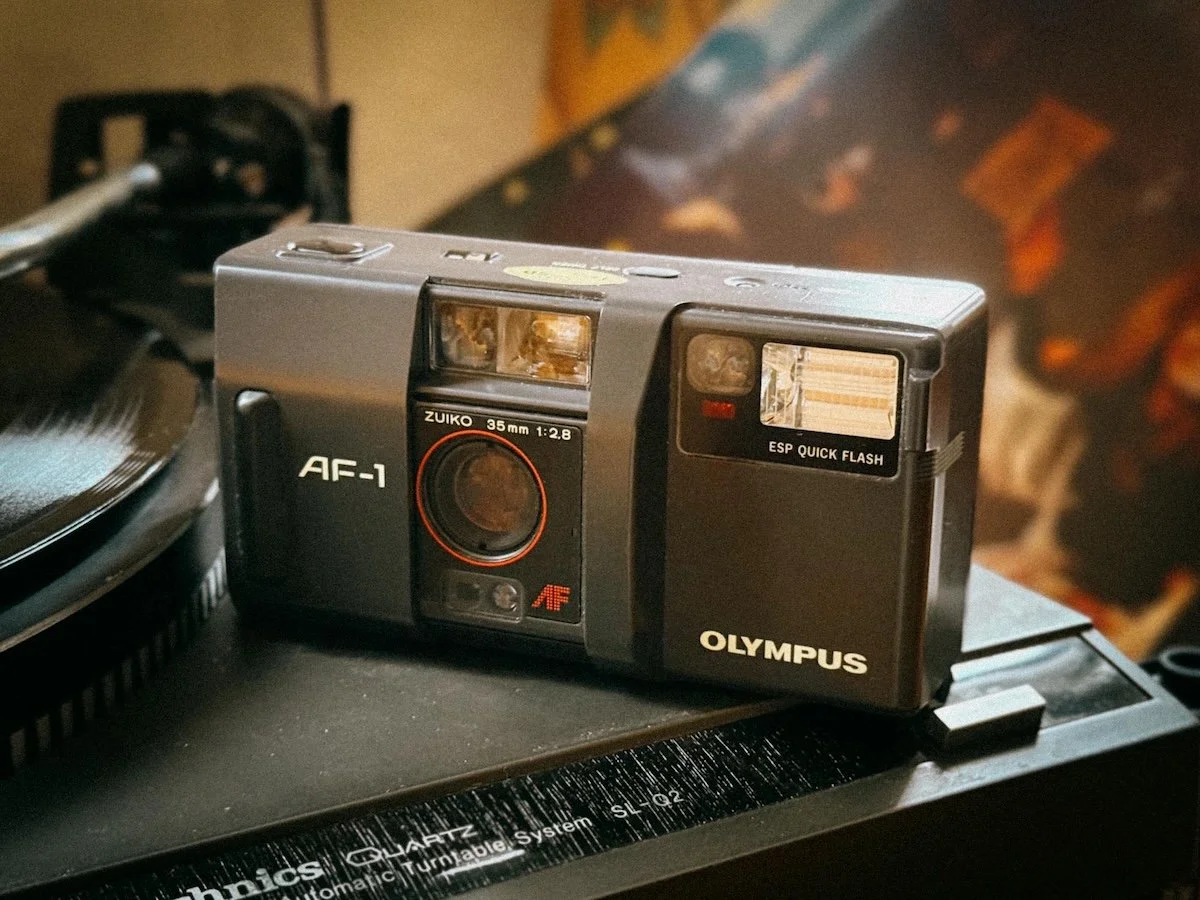
One of them is the Olympus AF-1.
Why We Bought the Olympus AF-1
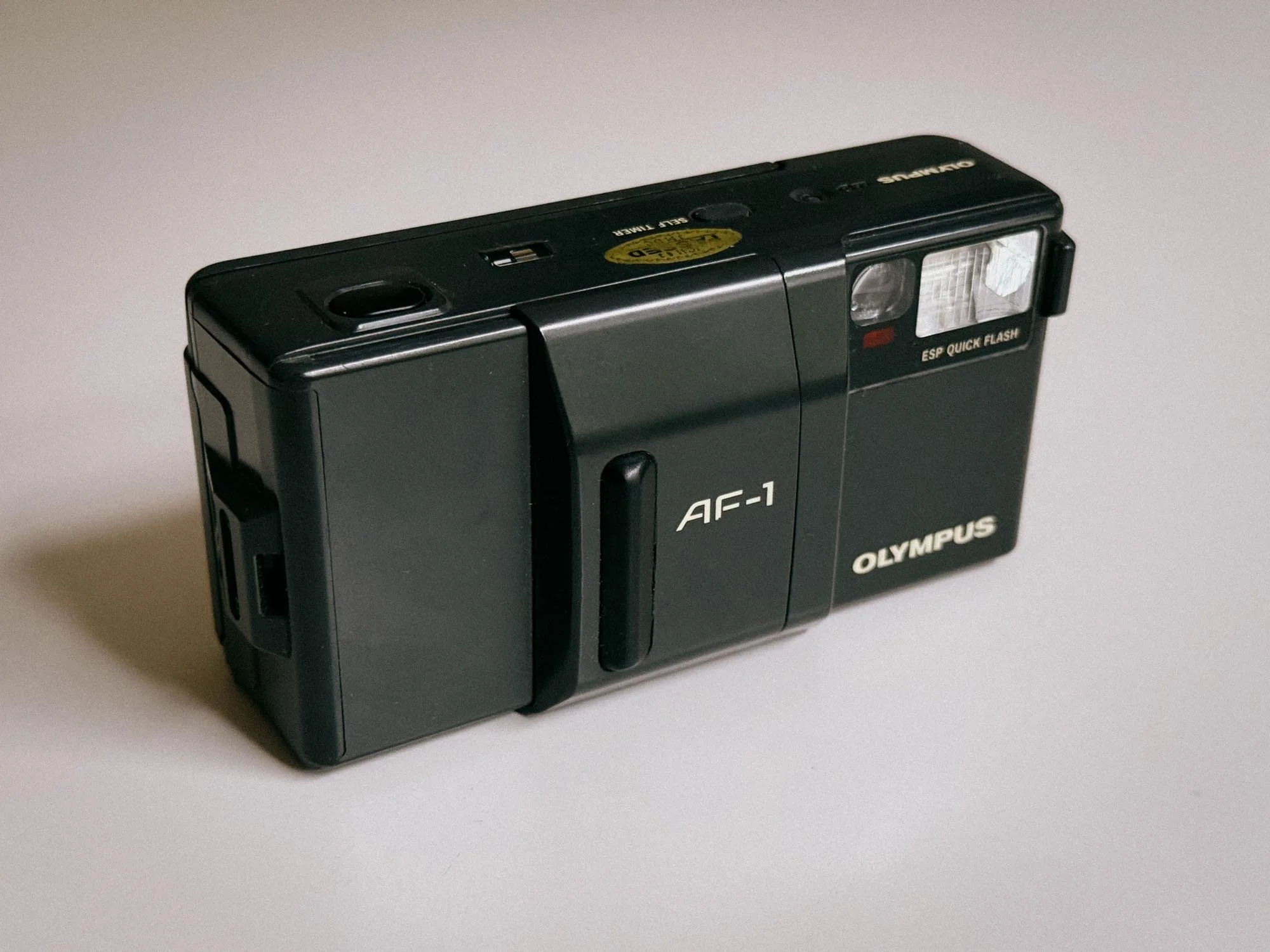
Knight Rider Esthetics
If you’re a regular reader here, you might know I already gifted my wife an SLR a while back. But since SLRs can be pretty heavy, it just made sense to get her something smaller—something she could easily throw into her clutch.
With Christmas right around the corner and after some digging online, I pulled the trigger on an Olympus AF-1. Two weeks later, we put it straight to use in Venice. What could go wrong?
What Makes the AF-1 So Good?
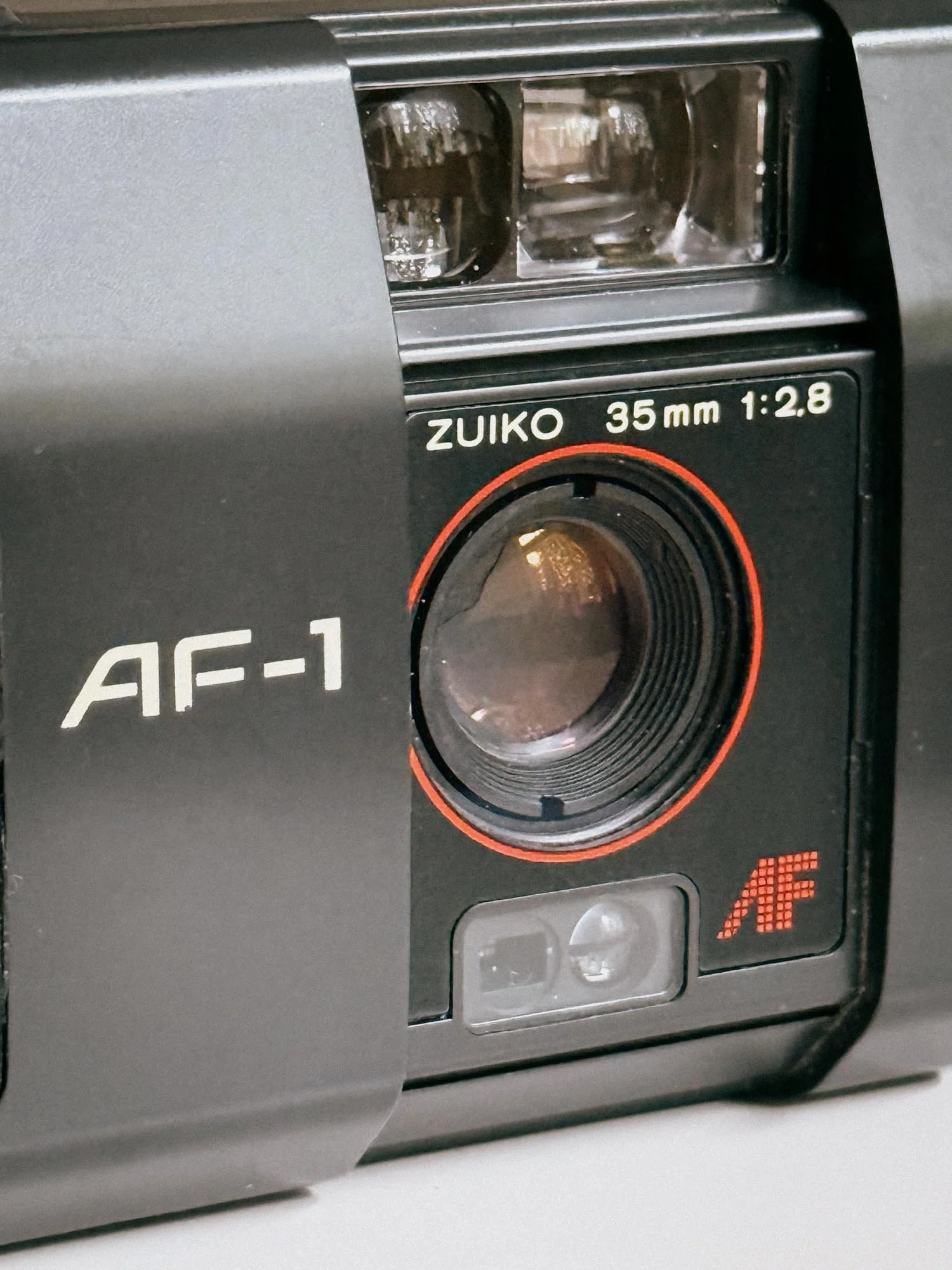
It’s Biggest Selling Point - The Lens
On paper, the AF-1’s specs look quite impressive: a 35mm f/2.8 Zuiko lens, focus lock, built-in flash, self-timer, a weather-resistant body, and zero unnecessary clutter. All that for less than 100 bucks? That sounds too good to be true. But how does it actually feel in the hand?
Shooting the Olympus AF-1
I was genuinely impressed. The build quality feels very sturdy, and the camera doesn't feel cheap at all. Quite the opposite, for a plastic body, this thing feels remarkably robust!
I know many point-and-shoots feature a slidable lens cover that acts as both protection and a power switch, but on the AF-1, it’s even cooler than I expected. Slide it open, compose, and shoot. That’s exactly the simplicity we were looking for. Just make sure your fingers don’t accidentally cover the lens!
Like most point-and-shoots, it reads DX codes automatically. If you’re using film canisters without DX codes, the camera simply defaults to ISO 100.
Loading film is a breeze: drop in a roll, pull the leader across to the red mark on the left, and close the door. The camera automatically advances the film to frame "1" on the top counter.
The viewfinder is bright and features framelines indicating the image borders, plus a small box in the center for the autofocus targeting area. The camera automatically focuses on whatever is inside that central box. If your subject is off-center, that’s where the Focus Lock button comes into play: hold down the Focus Lock button on the front, aim at your subject, frame your shot, and press the shutter. Easy peasy!
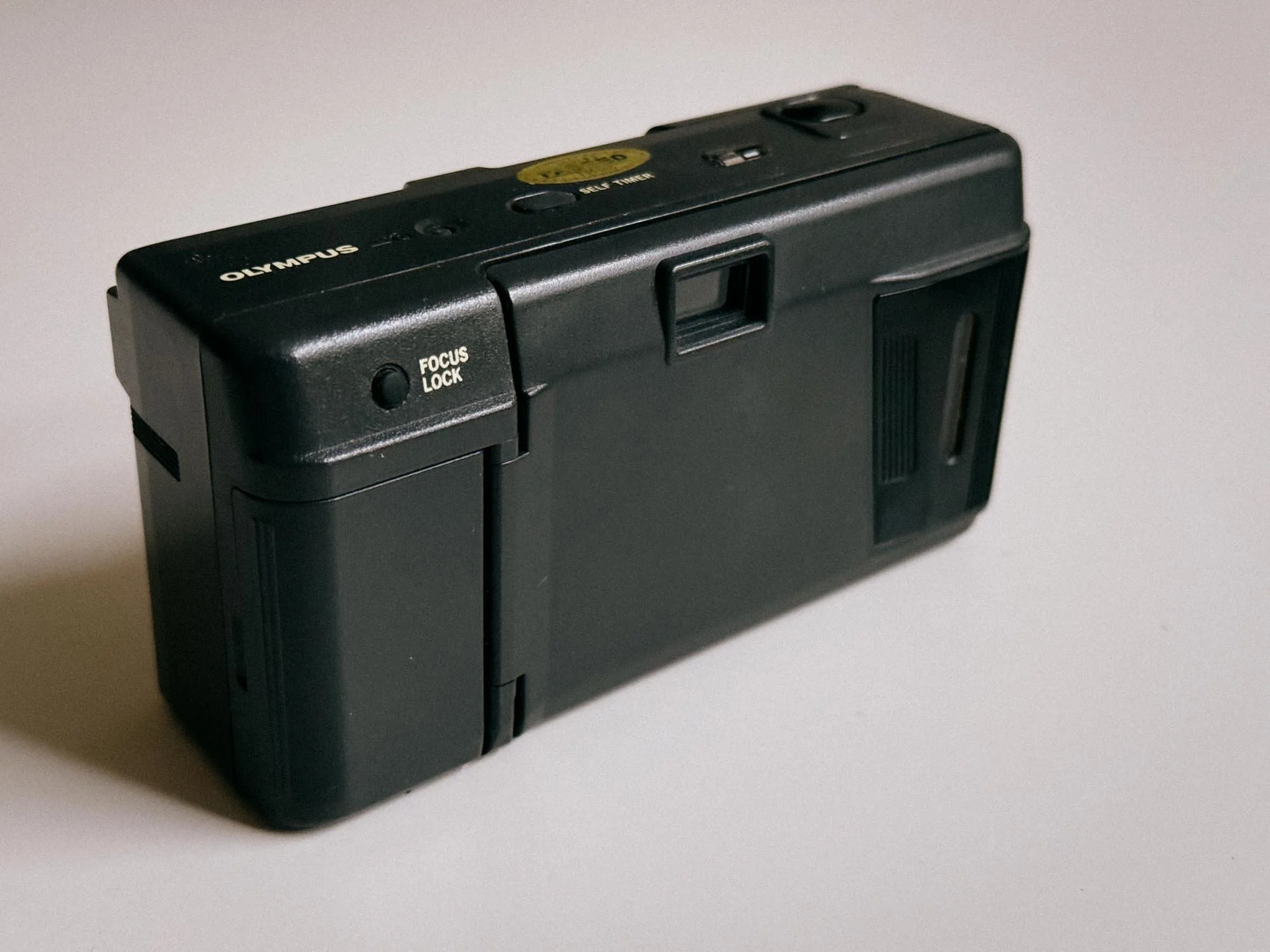
The Focus Lock Button
The flash cannot be manually disabled, but to be honest, that was never an issue for us. The meter reads scenes accurately and only fires the flash when necessary, warning you beforehand with an orange light in the viewfinder.
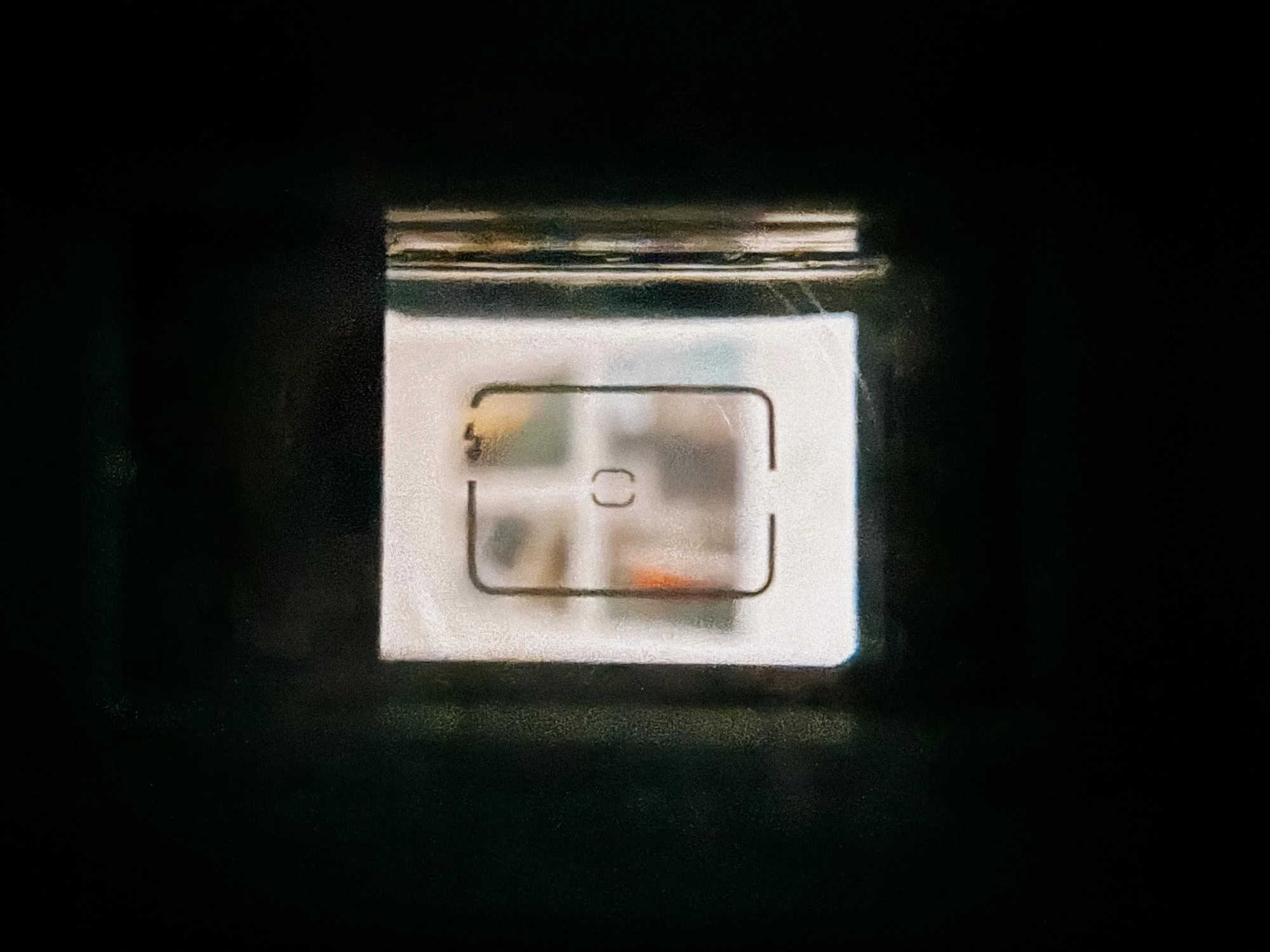
The Viewfinder With Flash Indicator
The self-timer is also very forgiving, offering a 12-second delay. Once you finish a roll, the camera automatically rewinds the film (though there's also a recessed button you can press with a pen if you ever need to rewind mid-roll).
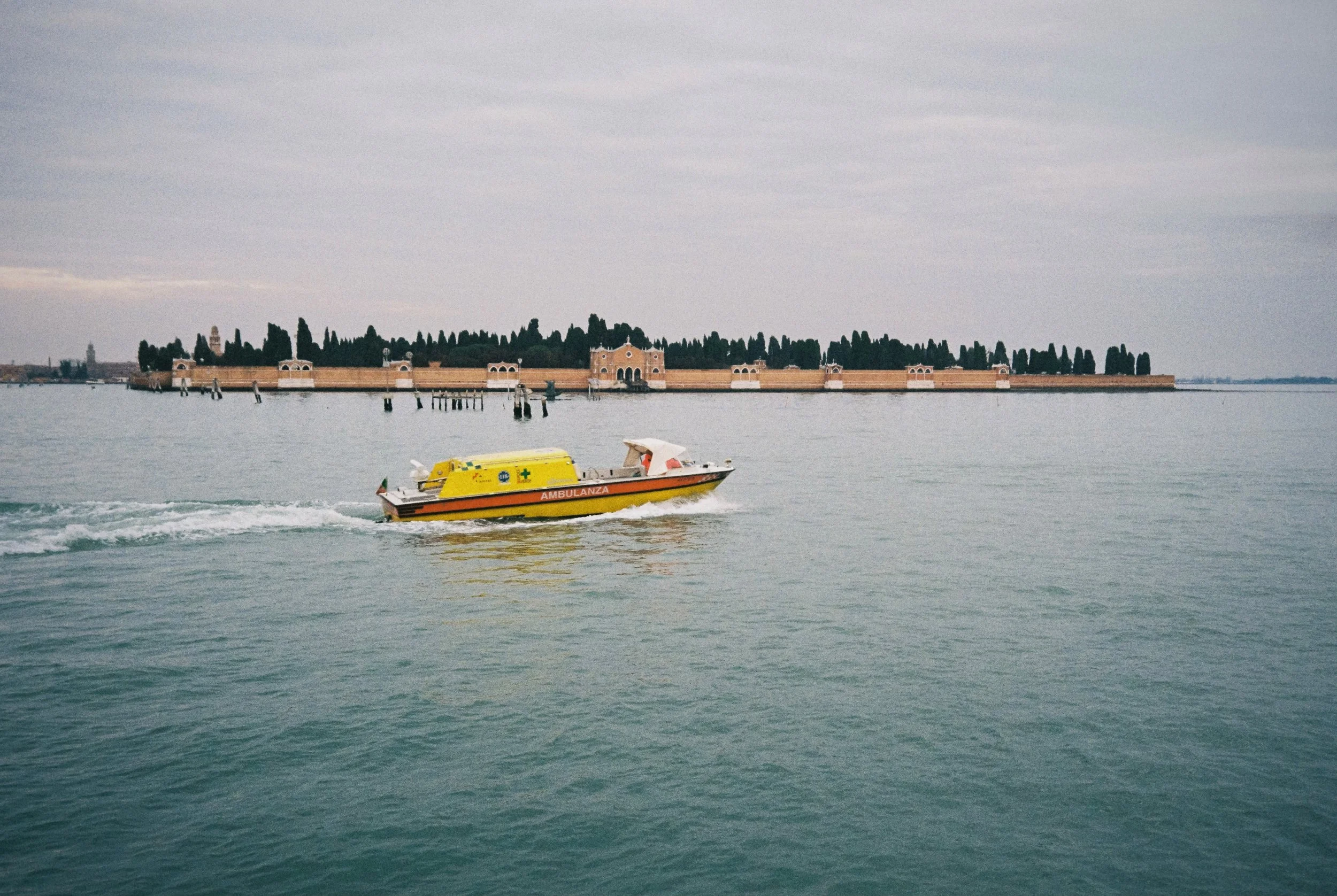
Here is a shot from our Venice trip, it’s amazing how well the camera calculated this high contrast scene.
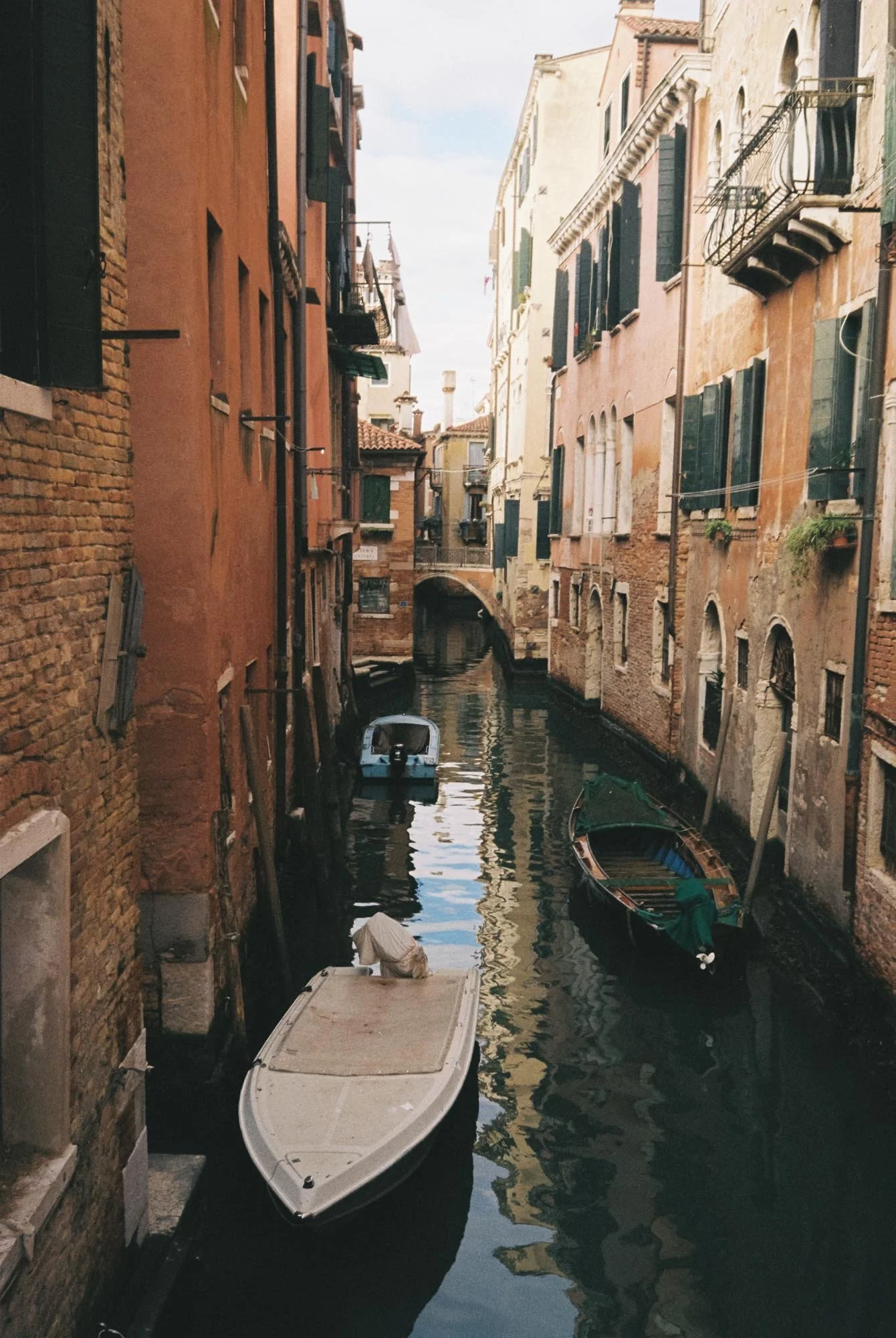
Canals Of Venice
Olympus AF-1 vs. Mju-II
When people talk about Olympus point-and-shoots, everybody immediately thinks of the Mju-II (or Stylus Epic). It’s basically the Holy Grail of Instagram film photography (next to the Leica M6) right now. But if you look past the hype and compare them side by side, you quickly realize: the AF-1 gives you almost the exact same specs for a fraction of the price.
The biggest selling point of the Mju-II has always been its razor-sharp 35mm f/2.8 Zuiko lens. The AF-1 also comes with a 35mm f/2.8 Zuiko lens. No, it isn't the exact same optical formula as the Mju-II, but judging from my scans, it is seriously good. In terms of image sharpness, contrast, and color rendition, your scans will look practically identical.
So where do they actually differ? First off, the size and feel. The Mju-II is a tiny 90s bubble box that fits into a tight jeans pocket, while the AF-1 has a slightly boxier 80s aesthetic that feels much more sturdy. Secondly, the Mju-II lets you turn off the flash manually, whereas the AF-1 relies entirely on its automatic light meter. But as I mentioned earlier, the AF-1’s meter is surprisingly smart.
Besides all that, I much prefer the "Stranger Things" 80s aesthetic of the AF-1 over the 90s bubble look of the Mju. I know design shouldn’t matter, but we all know it does!
Paying €250 to €350 for a plastic point-and-shoot that could break tomorrow just makes no sense to me. The AF-1 gives you the same sharp f/2.8 lens, reliable autofocus, and weather-resistance, all while leaving plenty of cash in your wallet for actual film.
Buying an Olympus AF-1 Under $100
Buying a vintage point-and-shoot is always a bit of a gamble, sometimes you only truly know if everything works after developing your first roll of film. However, there are a few key things you can check beforehand.
If you’re shopping online, always look for listings that explicitly state the camera has been film tested, and don't hesitate to ask the seller for recent sample images.
If you're inspecting one in person, it's a bit easier. Check the lens for fungus or scratches, make sure the viewfinder is clear, and check the battery compartment for corrosion (keep in mind that the AF-1 takes a single 6V CR-P2 battery).
Above all, remember one thing: 80s point-and-shoots are notoriously hard to repair. If the electronic parts or circuit board die, you will be hard-pressed to find anyone willing or able to fix it. More often than not, a dead point-and-shoot becomes trash. So again, don’t overpay!
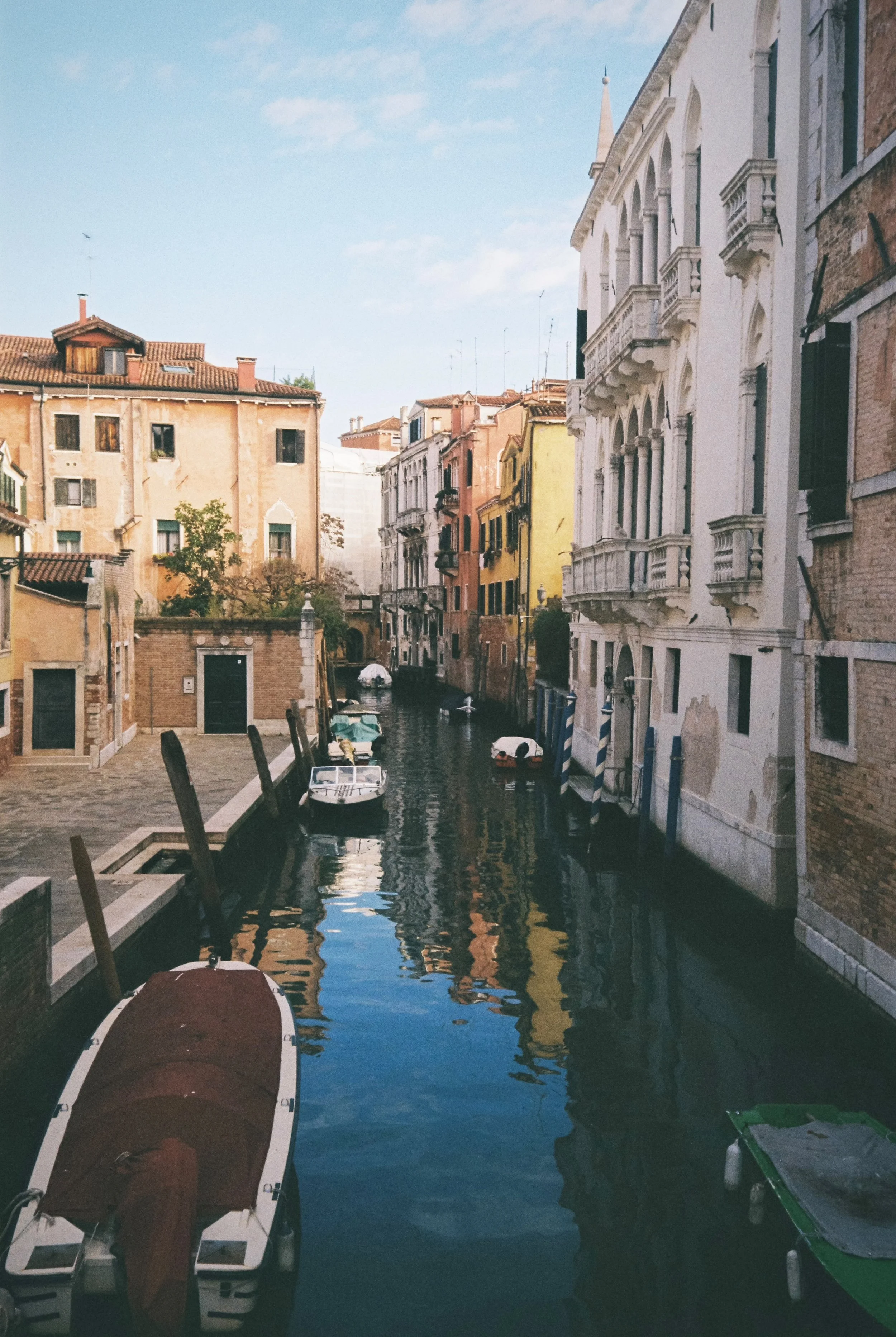
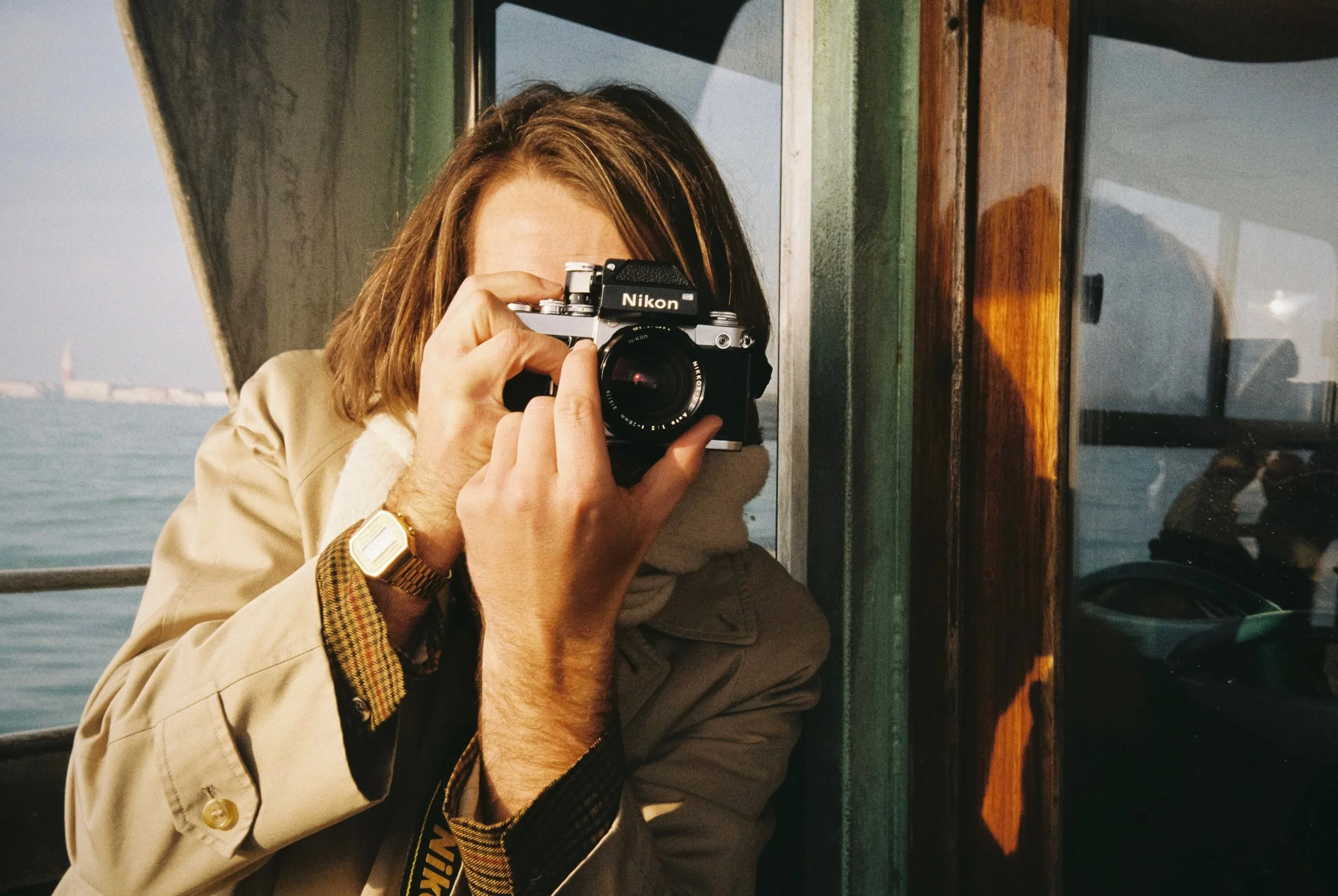
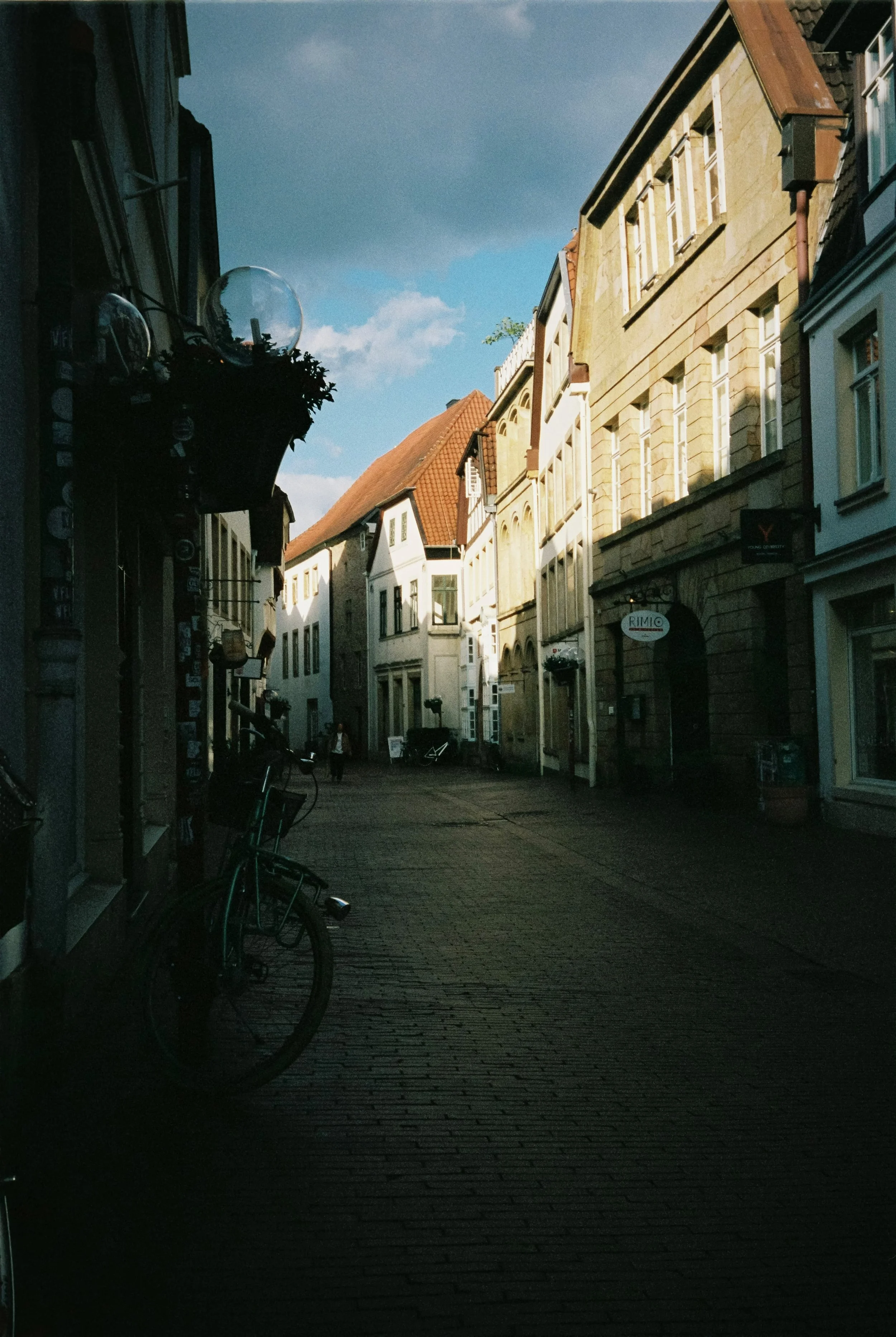
Olympus AF-1 Sample Images





Final Verdict
This is a great little camera. It’s reliable, fun to use, and still readily available on the used market. It’s perfect for nights out because you can literally hand it to anyone, and as long as they’re not completely wasted, they’ll manage to capture a great shot of you on film.
Because let’s be honest: actually having a few nice pictures of yourself for a change is pretty great. Trust me.
Enjoyed this? You might also like:
If you found this article helpful, check out my other deep dives into the world of expired emulsions and color recovery:
How to Edit Expired Slide Film: A Technical Guide to Rescuing E-6 (Ektachrome 64T)
Nikon F Review (2026): Shooting the Indestructible 35mm Legend
FPP Retrochrome 400 Review: Shooting High-Speed Surplus Slide Film
422 Meters of Frozen Gold: The Expired Ektachrome Heist Part I
422 Meters of Frozen Gold: The Expired Ektachrome Heist Part II
Embrace the Blues: Why Ektachrome shifts cooler and how to handle it
Minolta SR-101 (SRT 101) Review: The Ultimate Mechanical SLR in 2026?